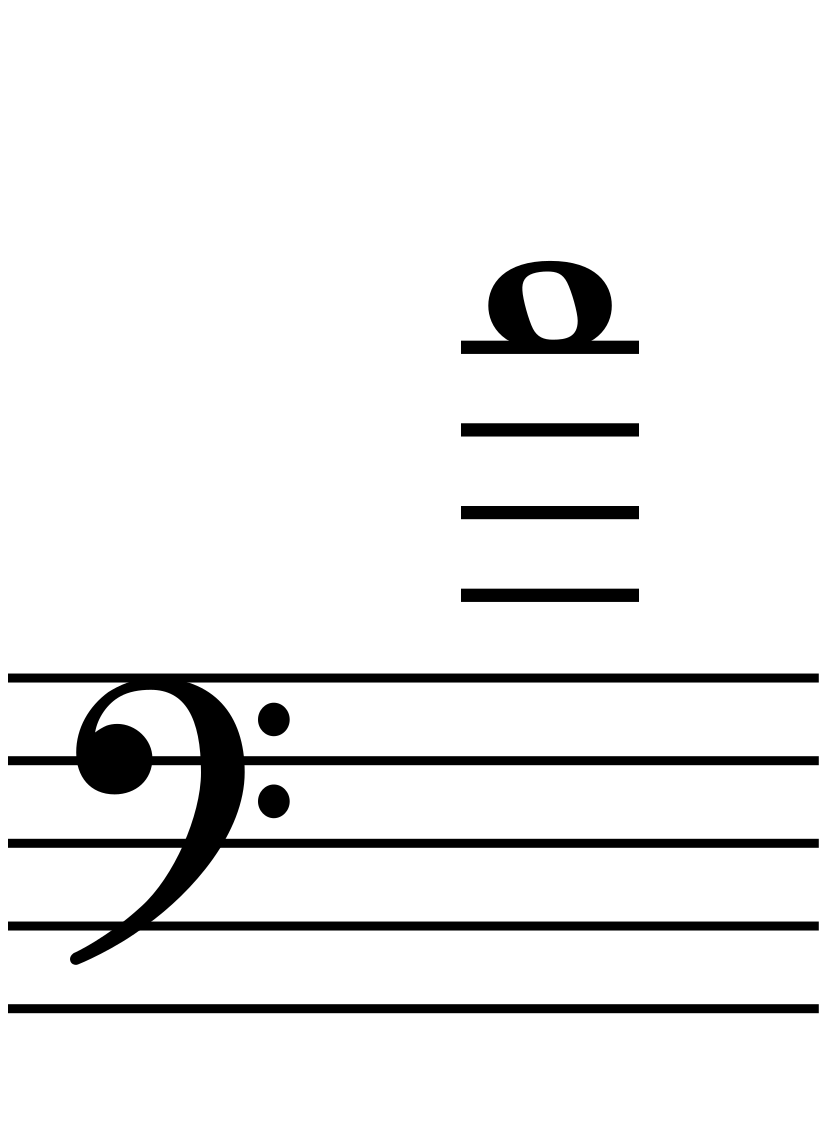
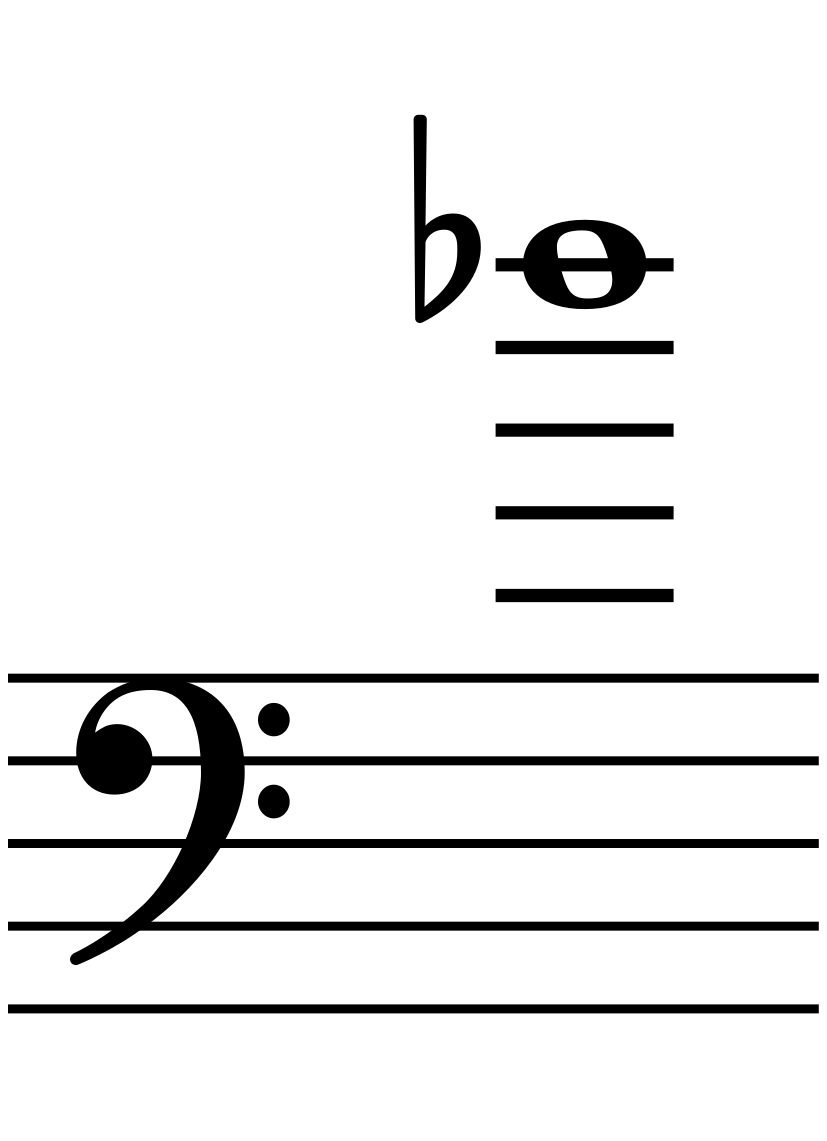
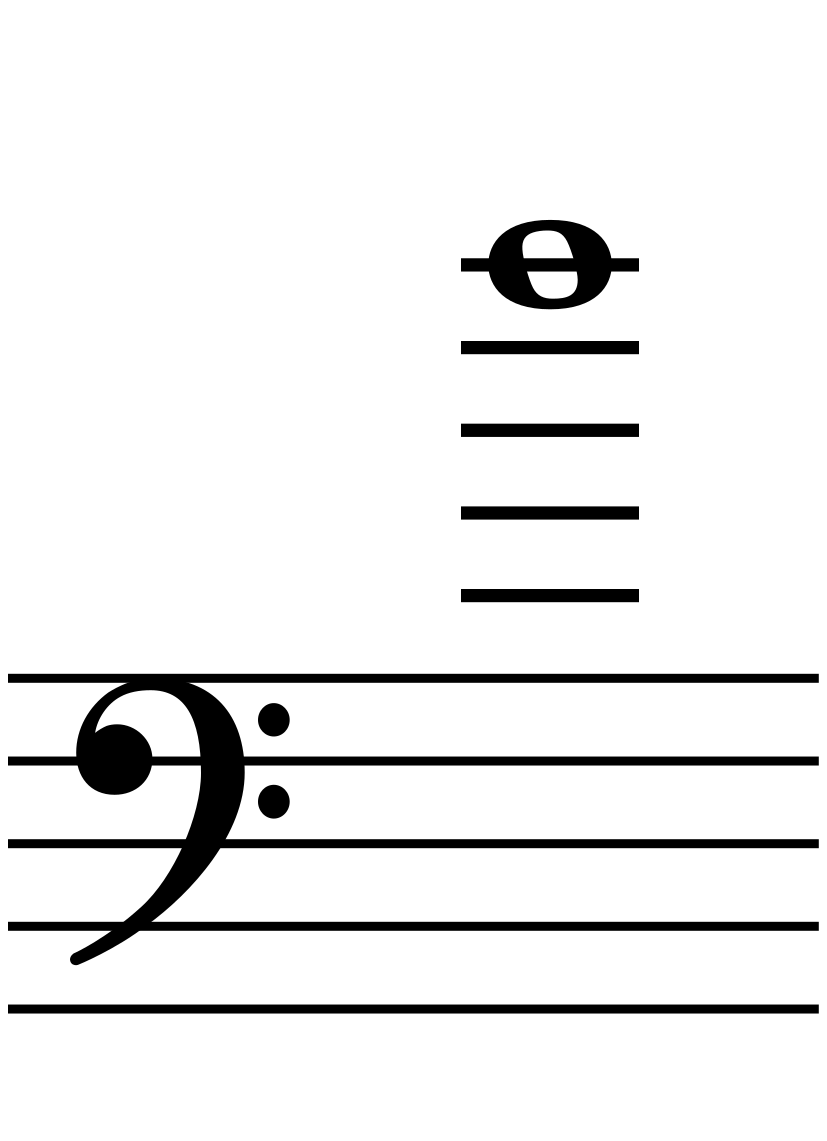
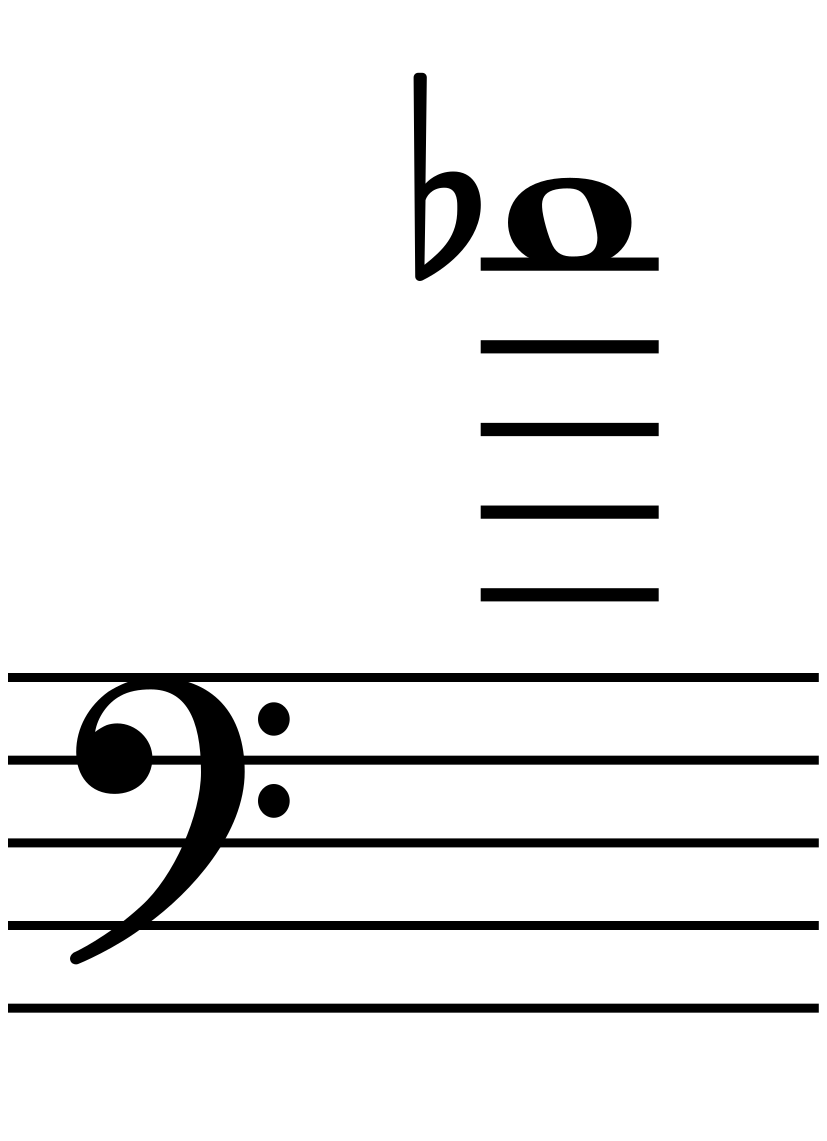
Trombone slide position chart

Every note from low E to top F, with its slide position and the alternates worth knowing. Find a note, or look at the chart by position, by note, in treble clef for brass band, or with an F attachment. Free to print and share.

Open the chartPrintable PDFs

Find a note

Choose your clef, then tap a note to see where the slide goes. Tap a numbered position on the slide to see every note it plays.

slide brace (right hand) bell rim tuning slide mouthpiece 1234567 T1T2T3T4T5T6

Swipe sideways to see the whole trombone.
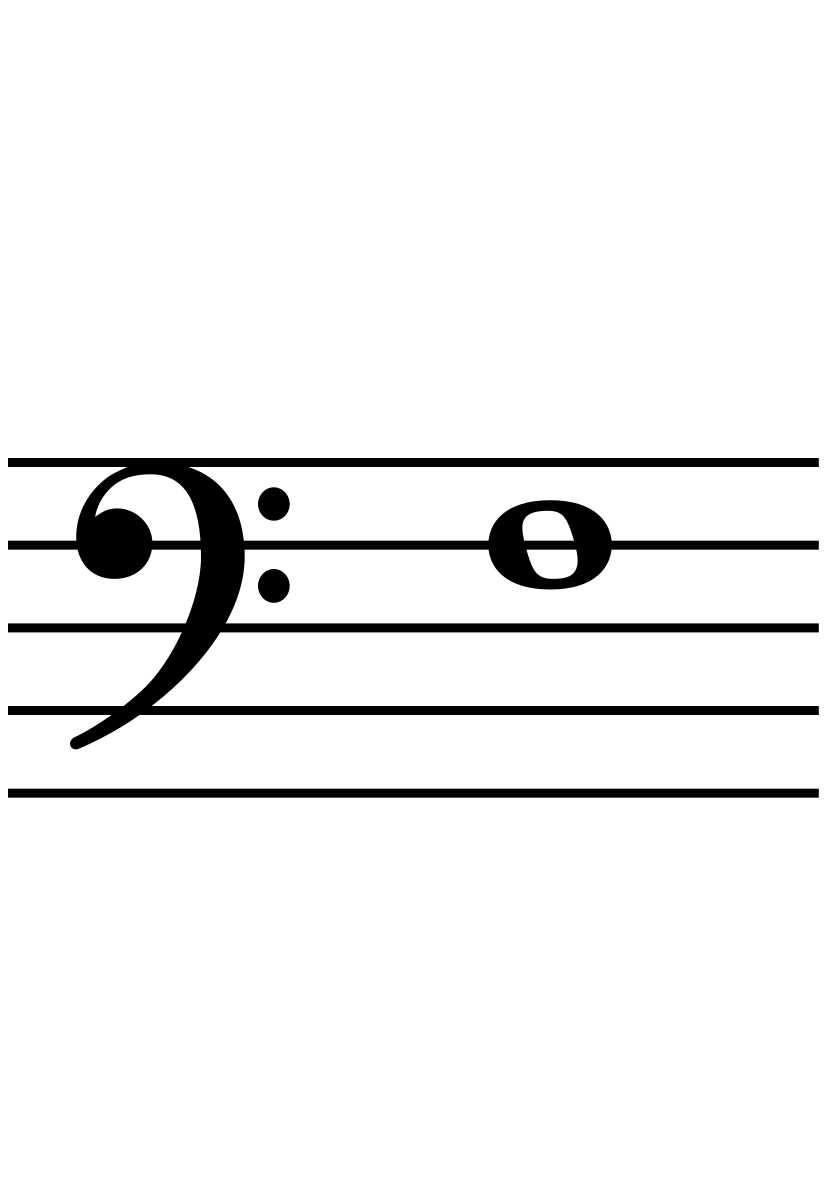
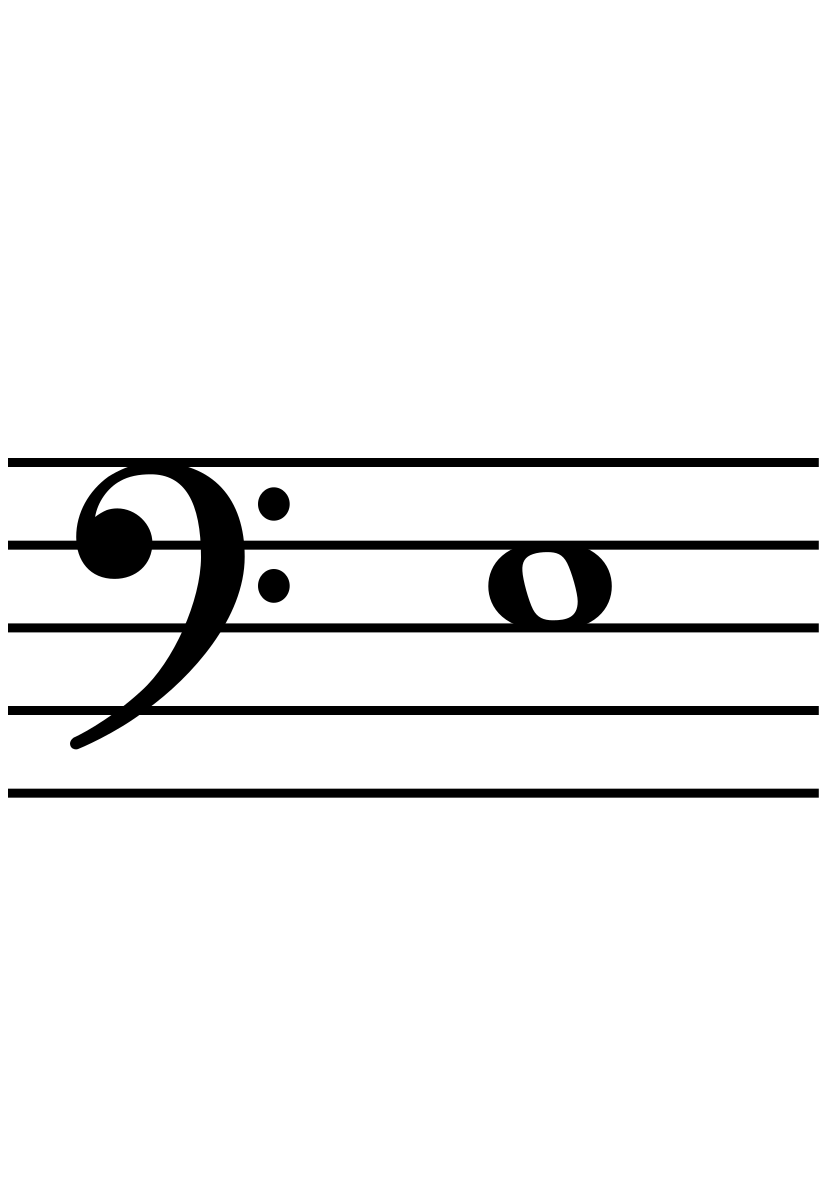
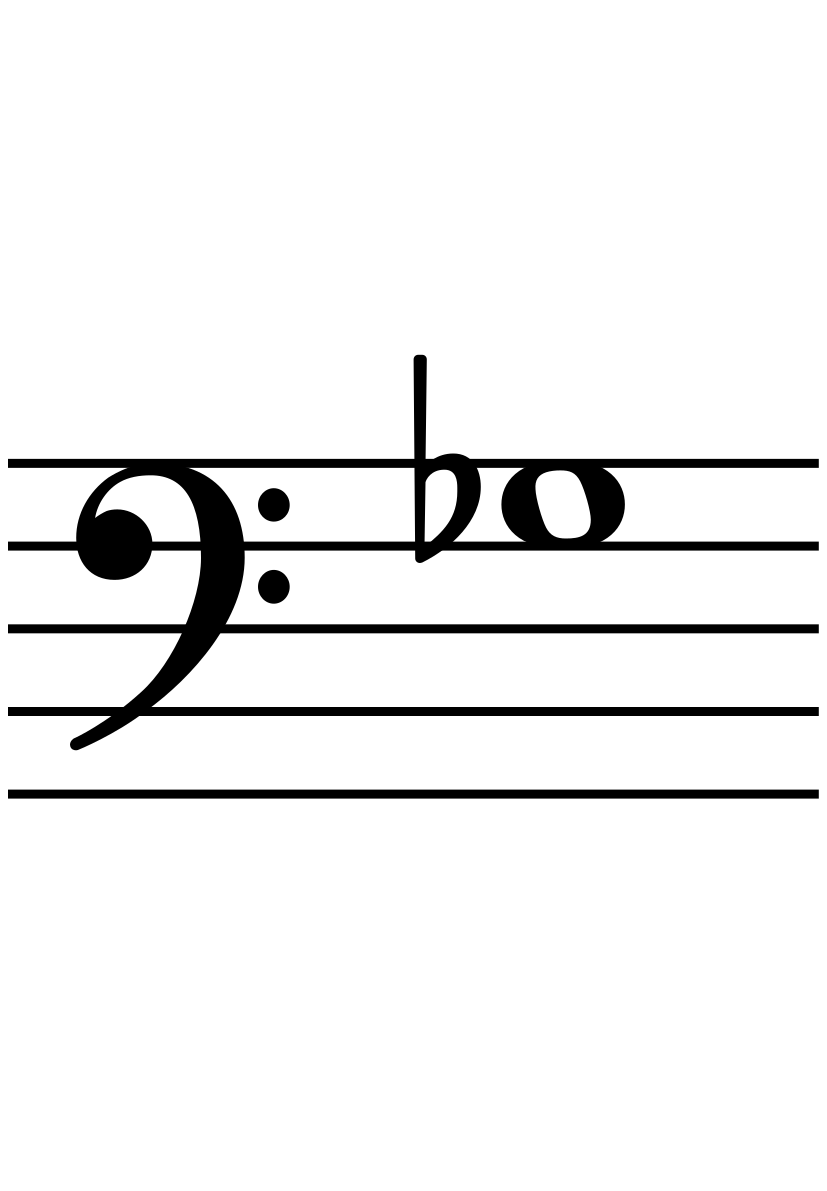
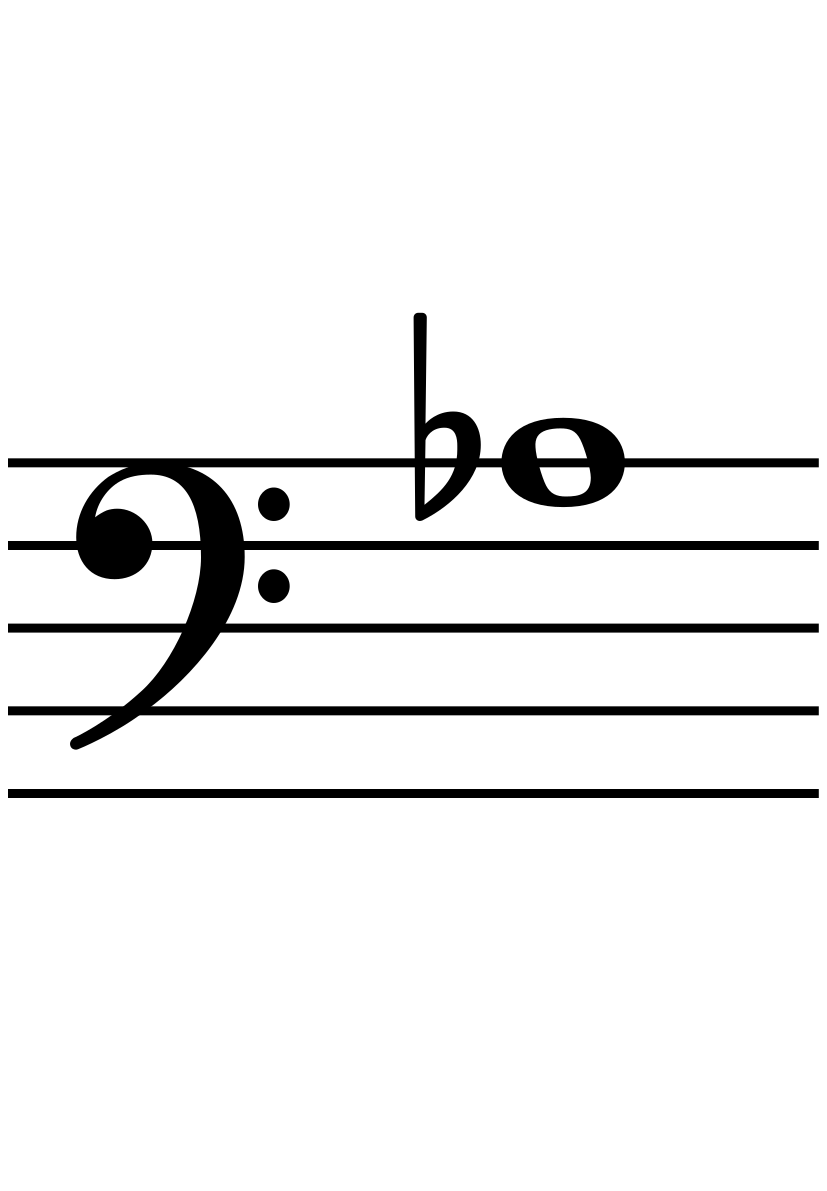
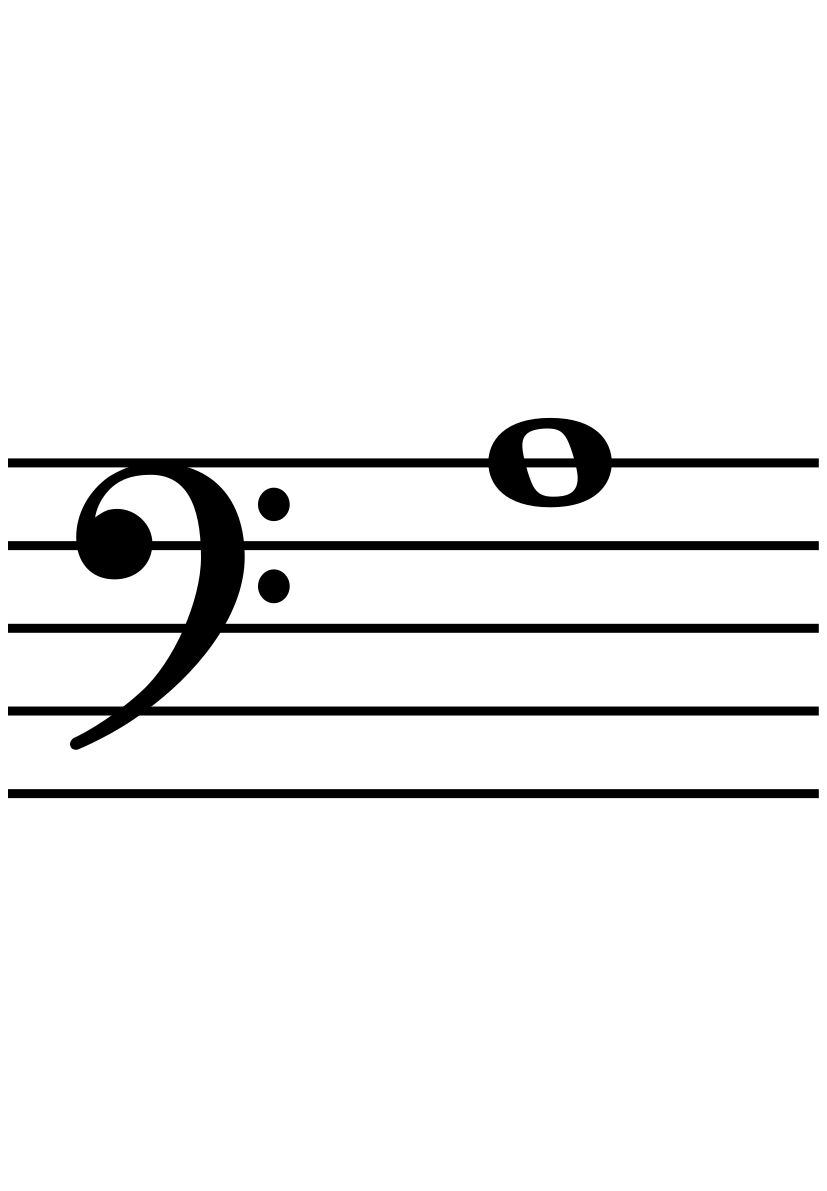
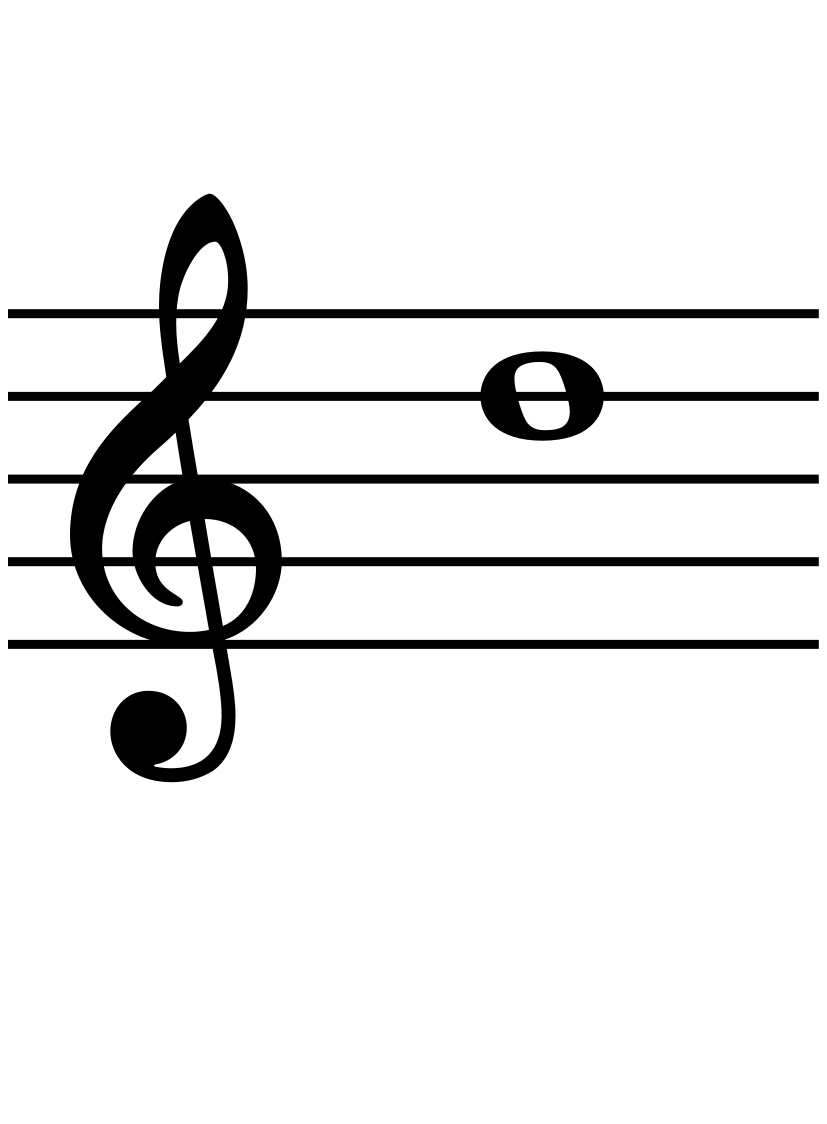
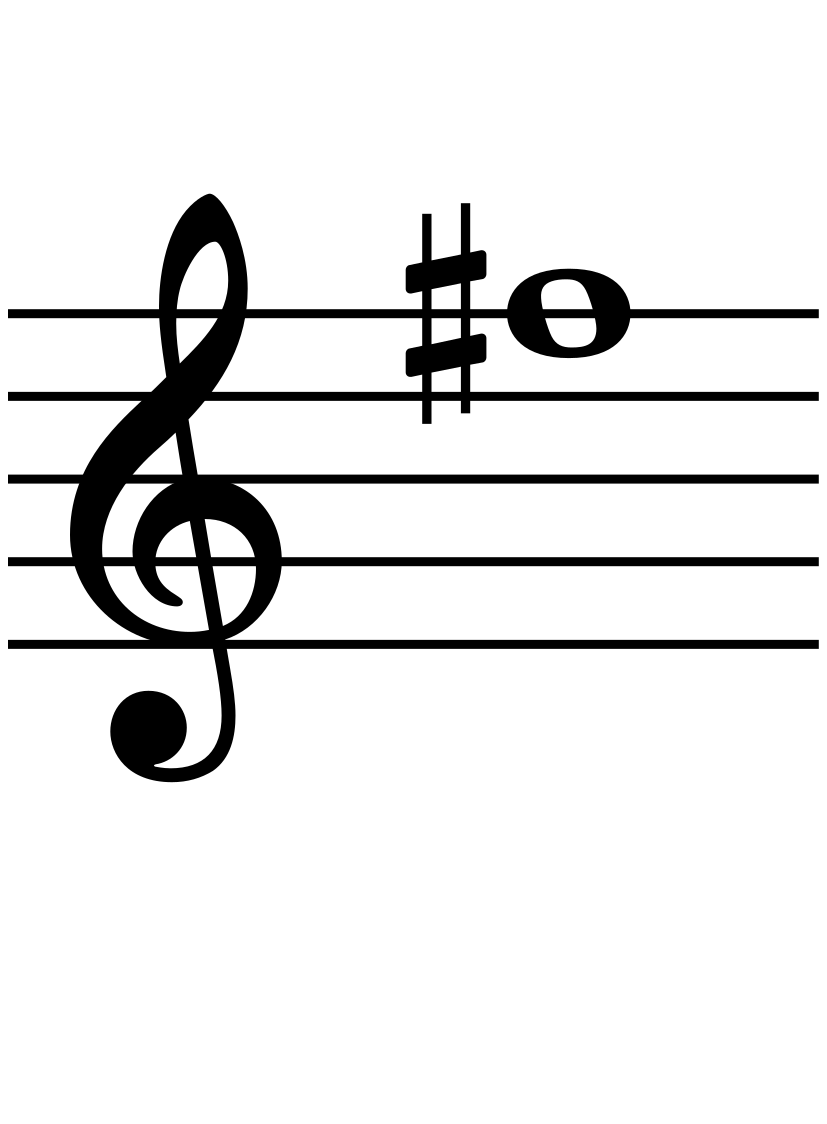
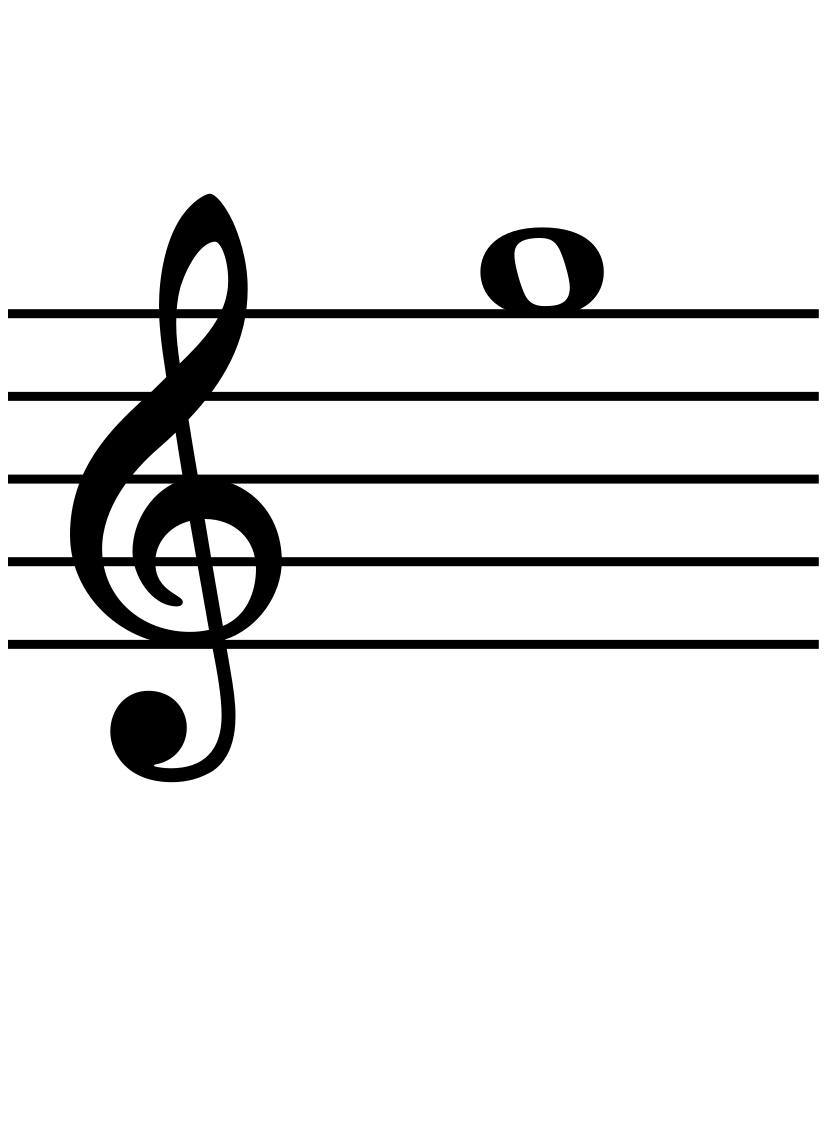
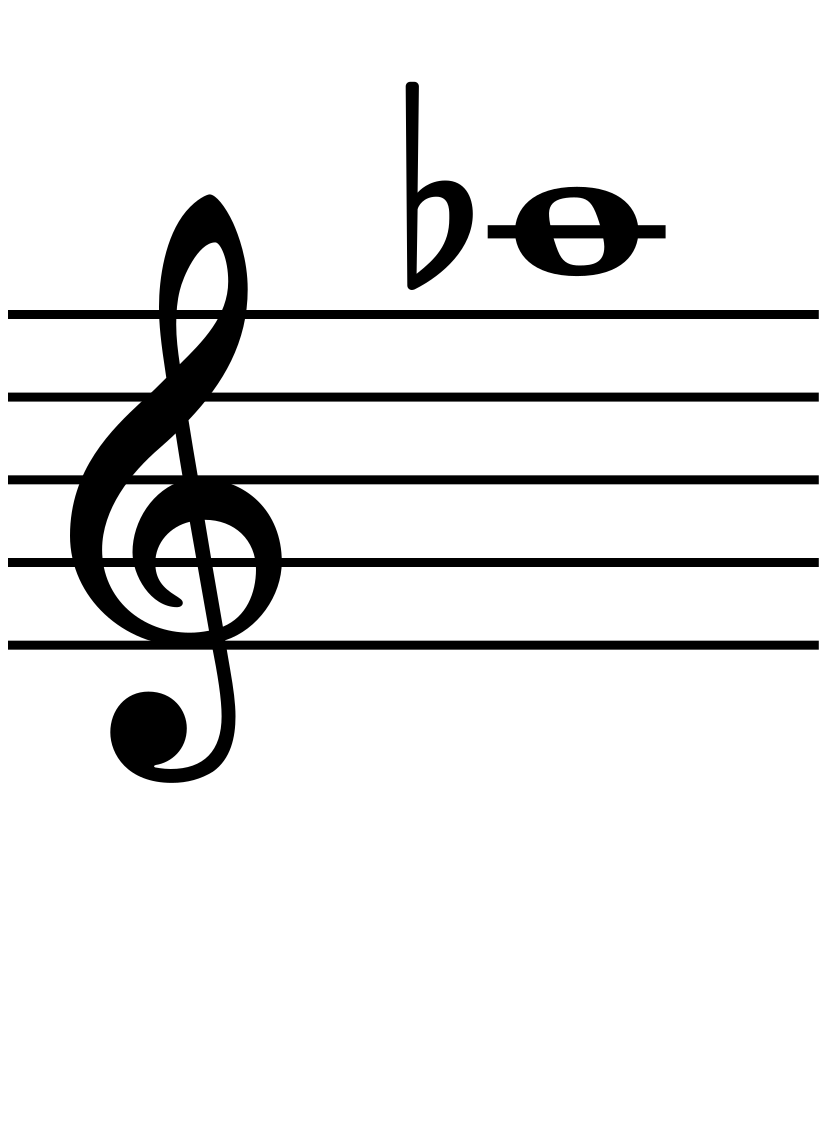
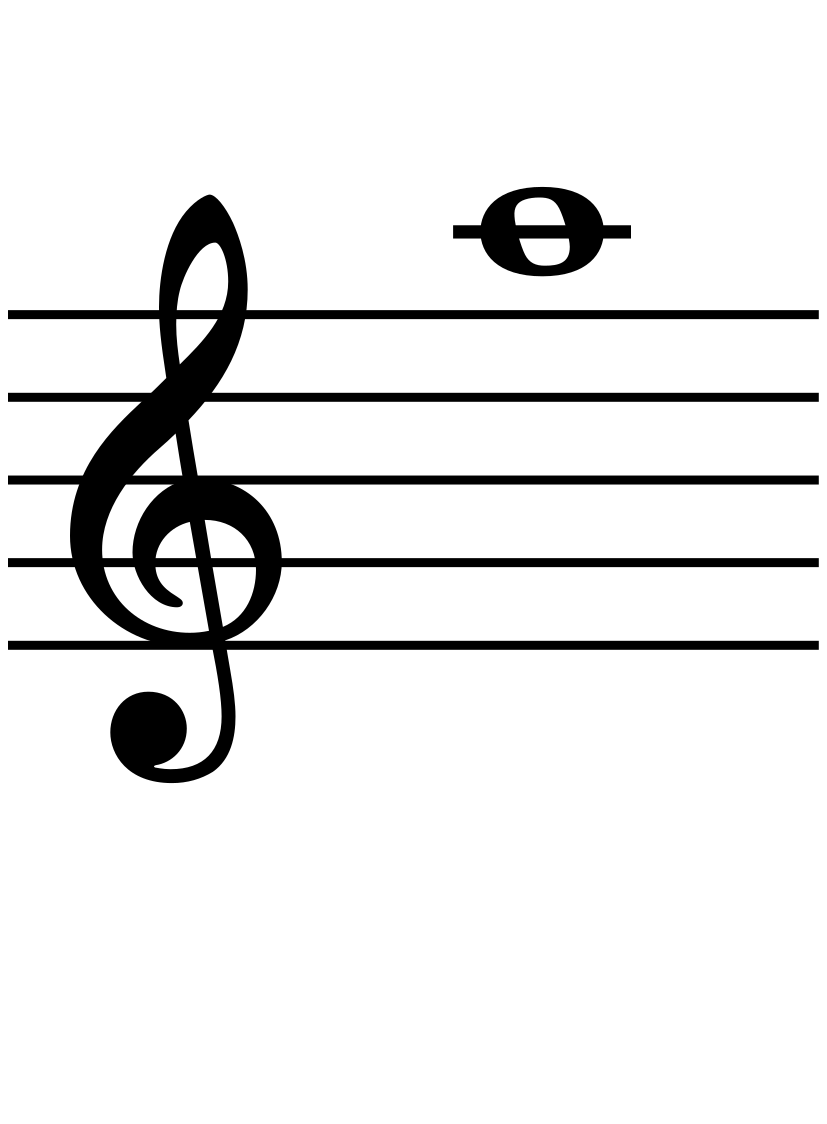
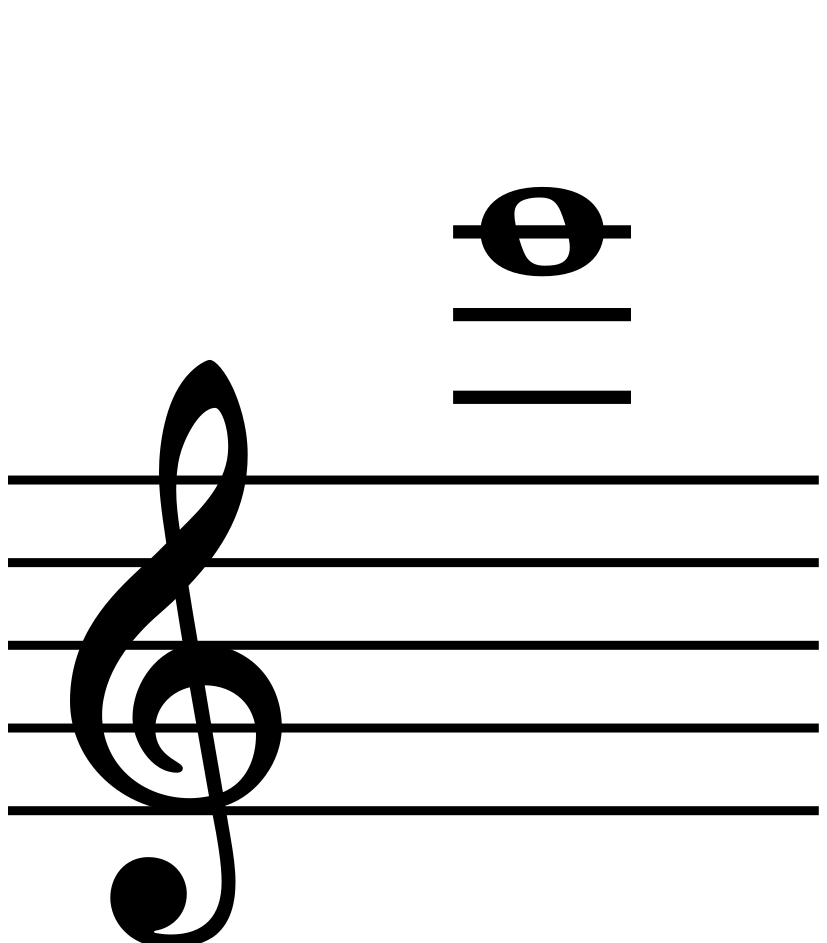
F3

  • 1st position · 3rd partial
  • 6th position · 4th partial

Chart by position

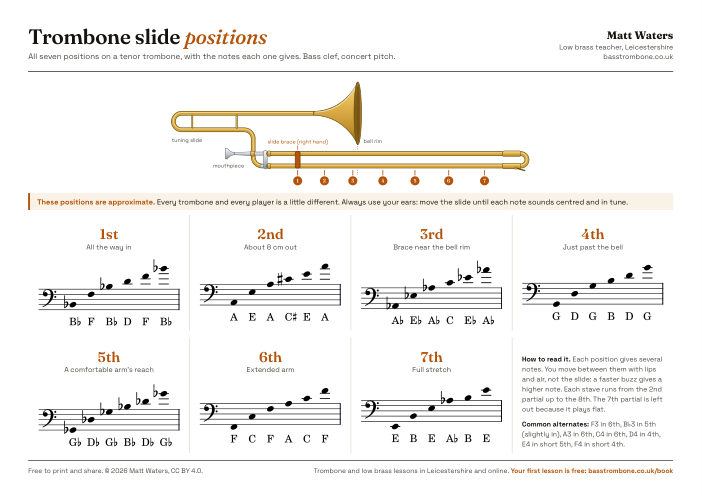
The seven positions on a tenor trombone and the notes each one plays, from the 2nd partial up to the 8th. Each position is a semitone lower than the one before. You move between the notes in a position with your lips and air, not the slide.

slide brace (right hand) bell rim tuning slide mouthpiece 1234567

1st

All the way in

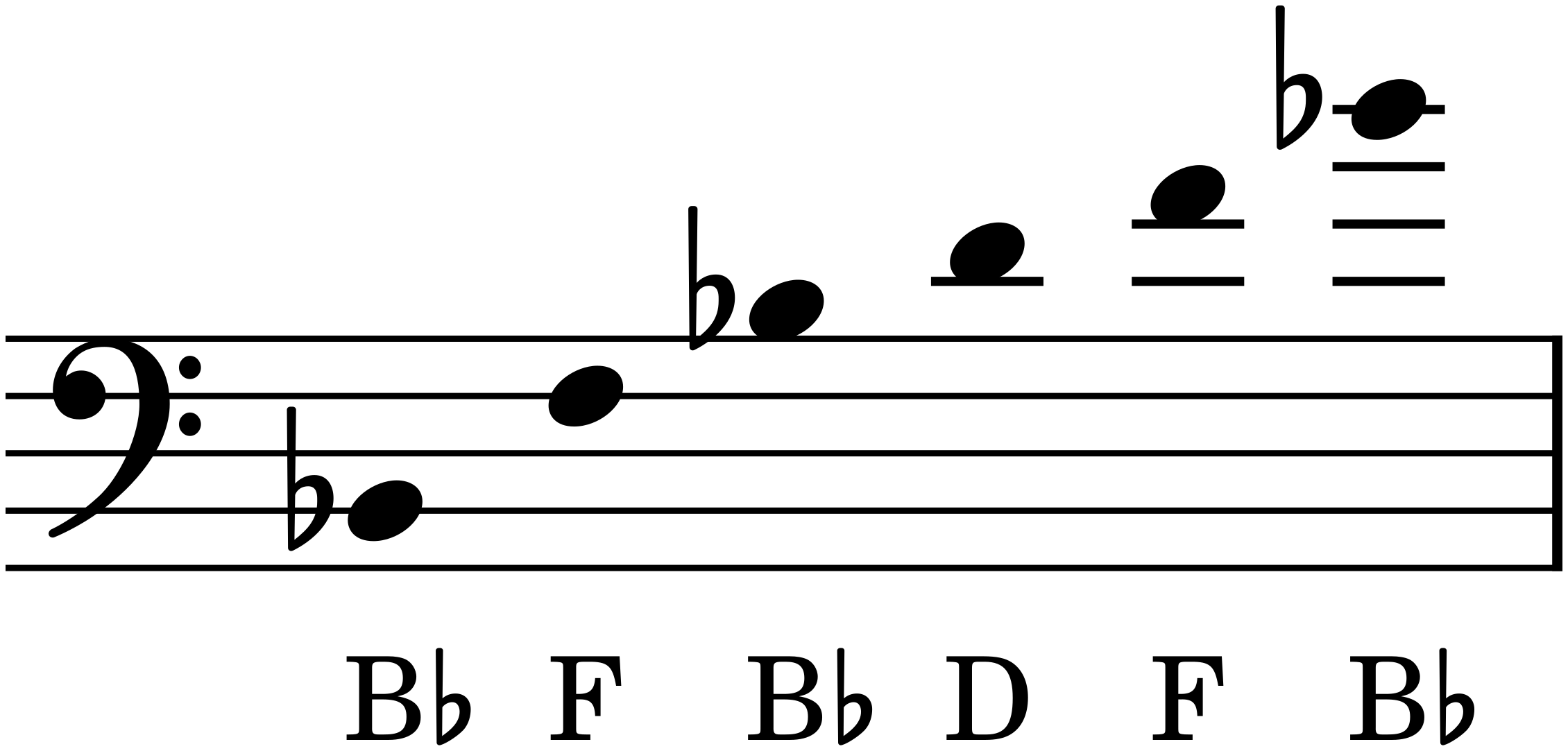
1st position: B♭, F, B♭, D, F, B♭

B♭ · F · B♭ · D · F · B♭

2nd

About 8 cm out
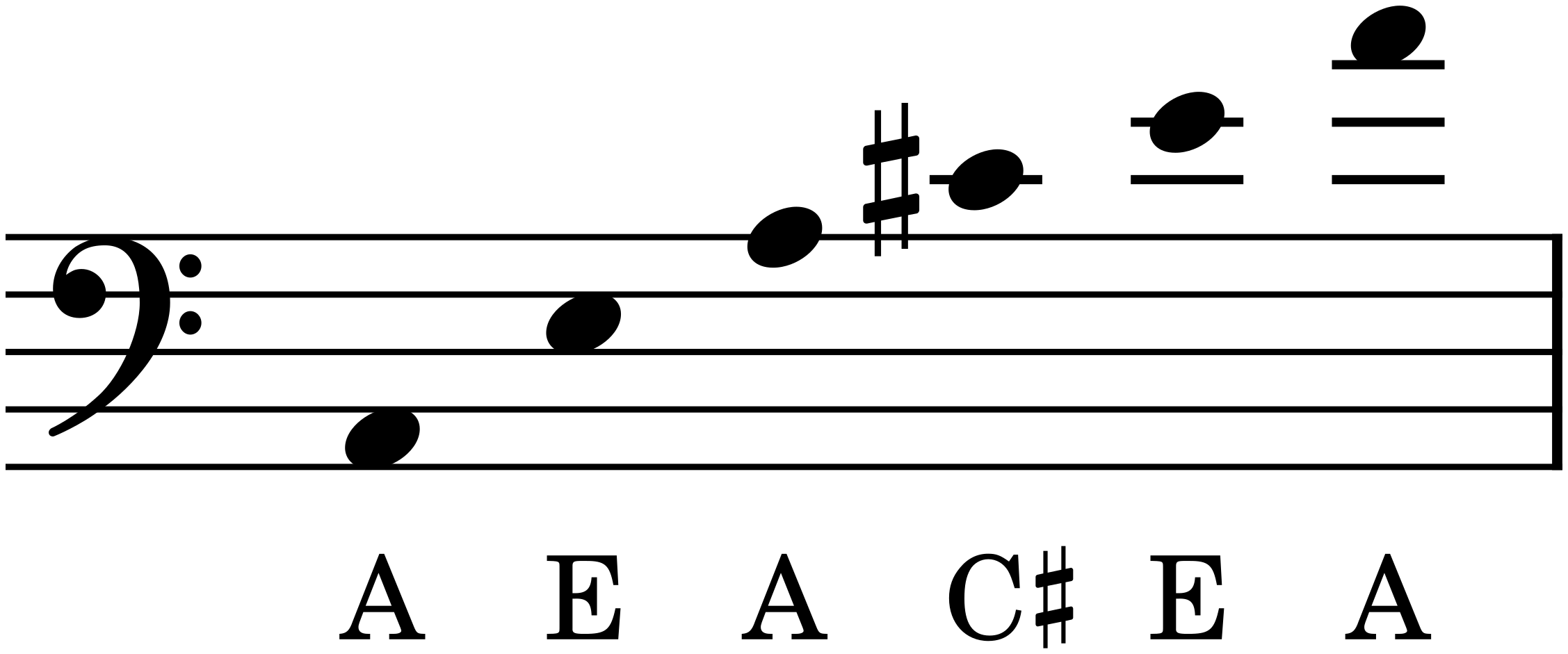
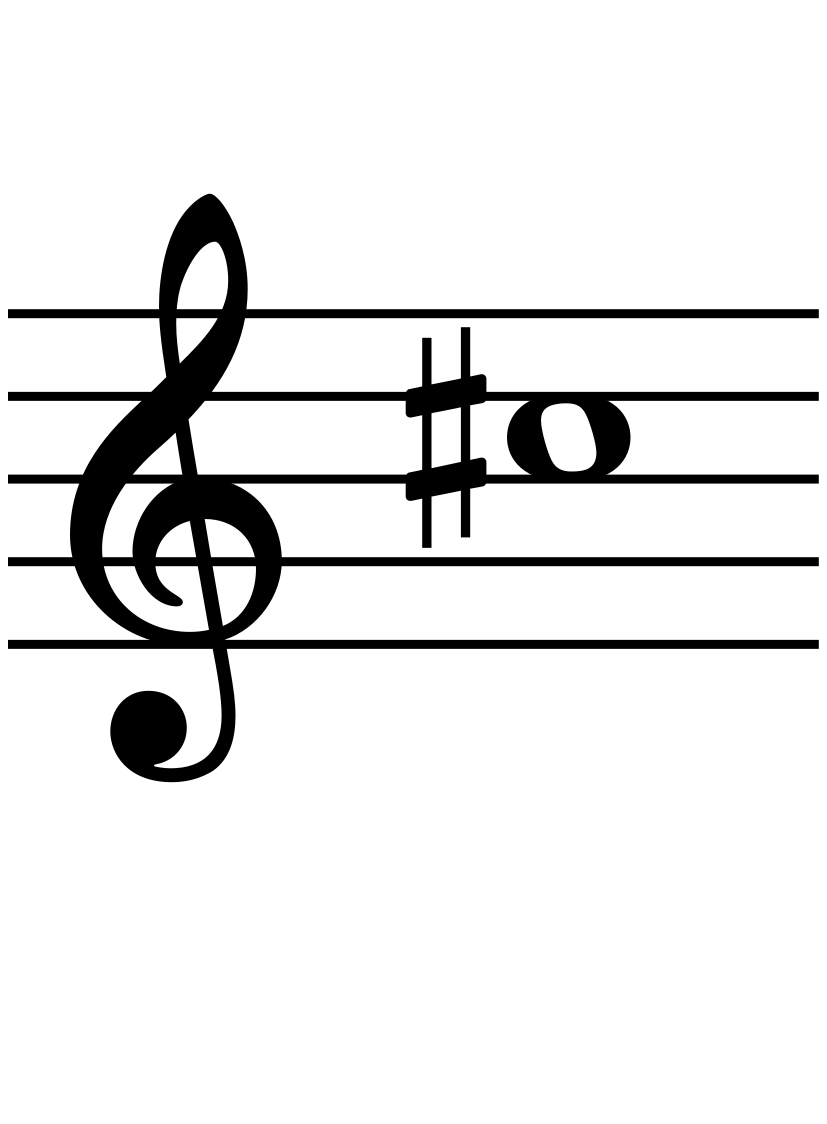
2nd position: A, E, A, C♯, E, A

A · E · A · C♯ · E · A

3rd

Brace near the bell rim
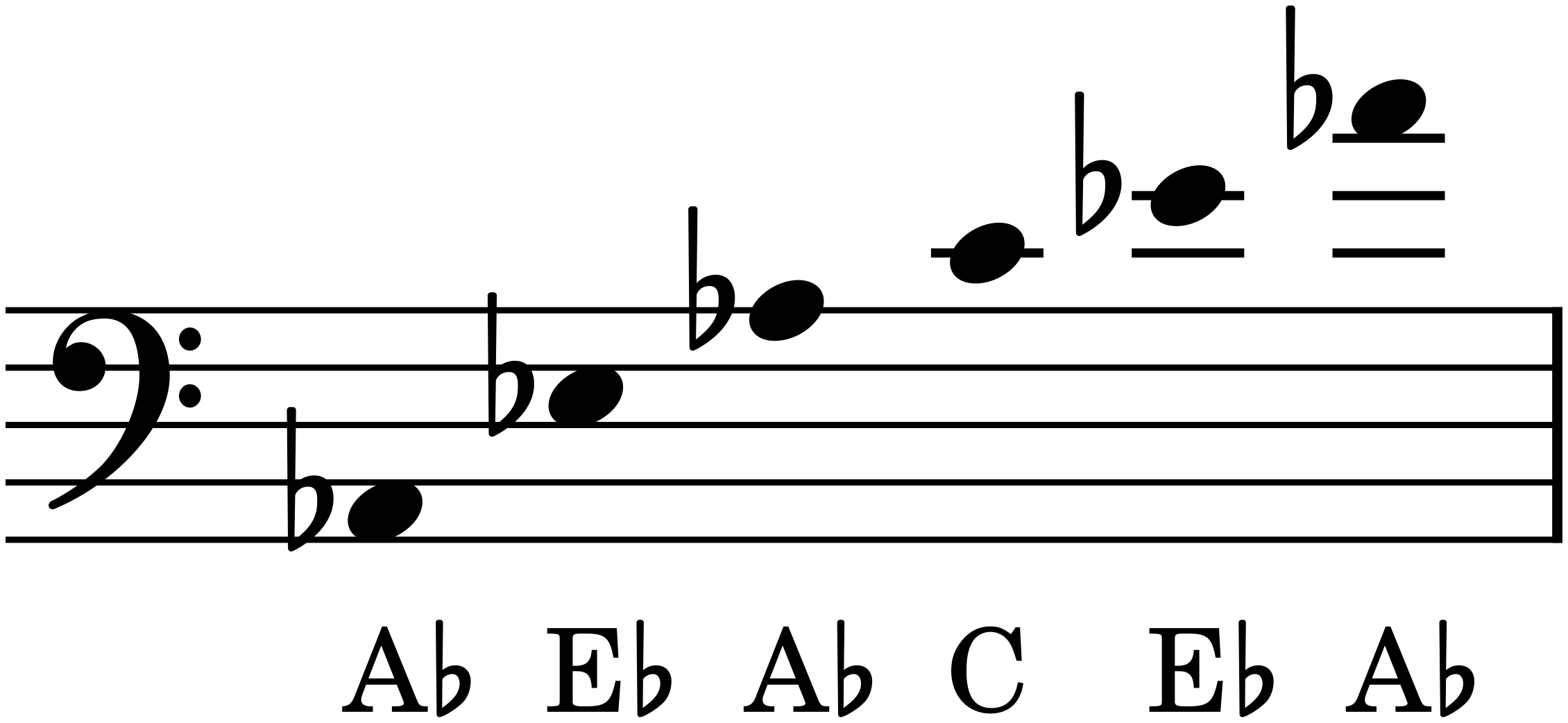
3rd position: A♭, E♭, A♭, C, E♭, A♭

A♭ · E♭ · A♭ · C · E♭ · A♭

4th

Just past the bell
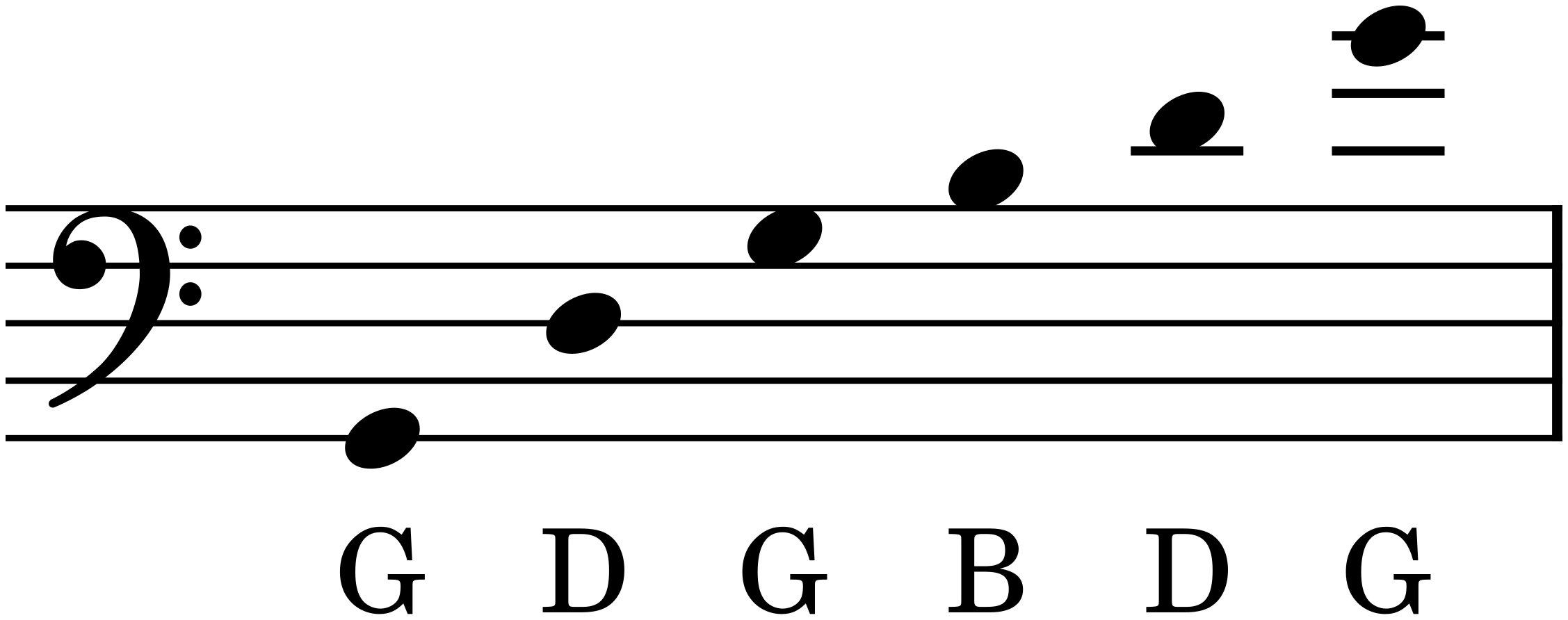
4th position: G, D, G, B, D, G

G · D · G · B · D · G

5th

A comfortable arm's reach
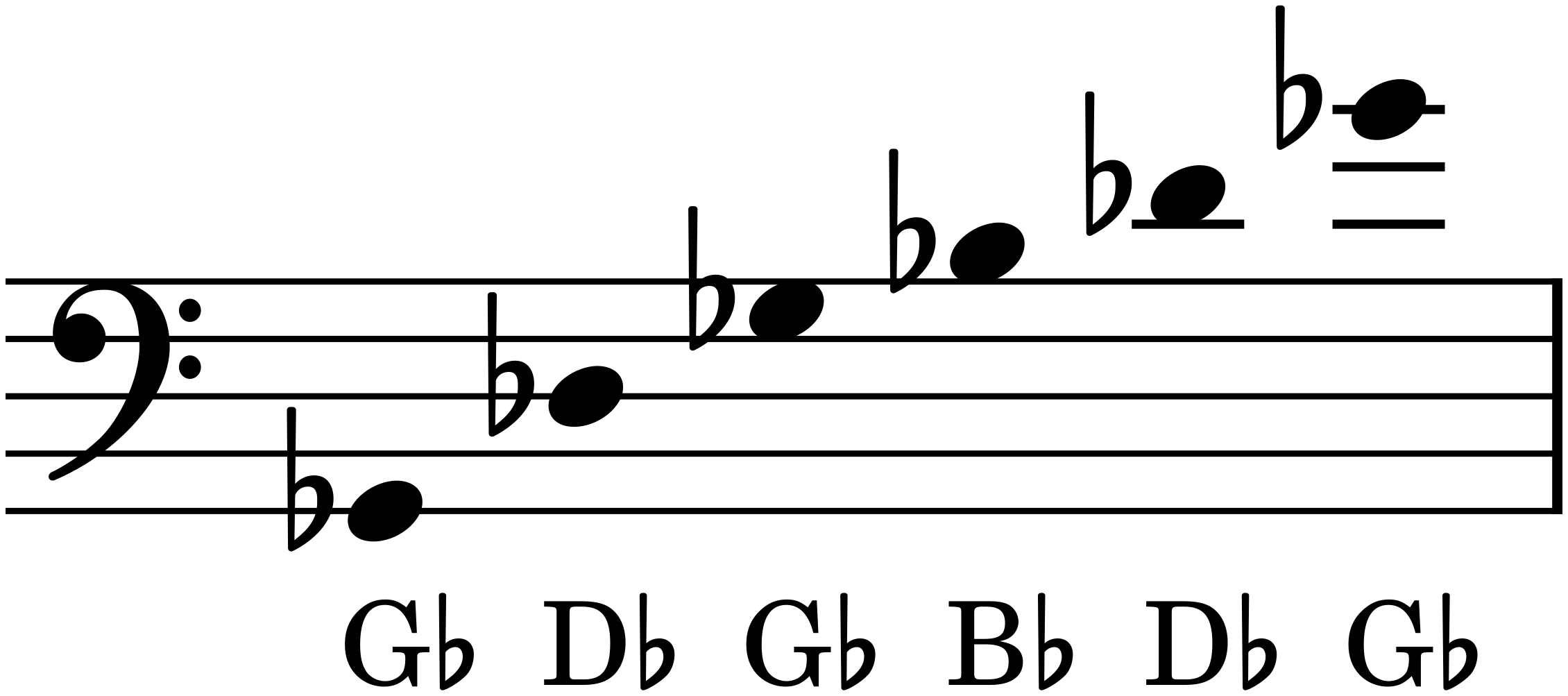
5th position: G♭, D♭, G♭, B♭, D♭, G♭

G♭ · D♭ · G♭ · B♭ · D♭ · G♭

6th

Extended arm
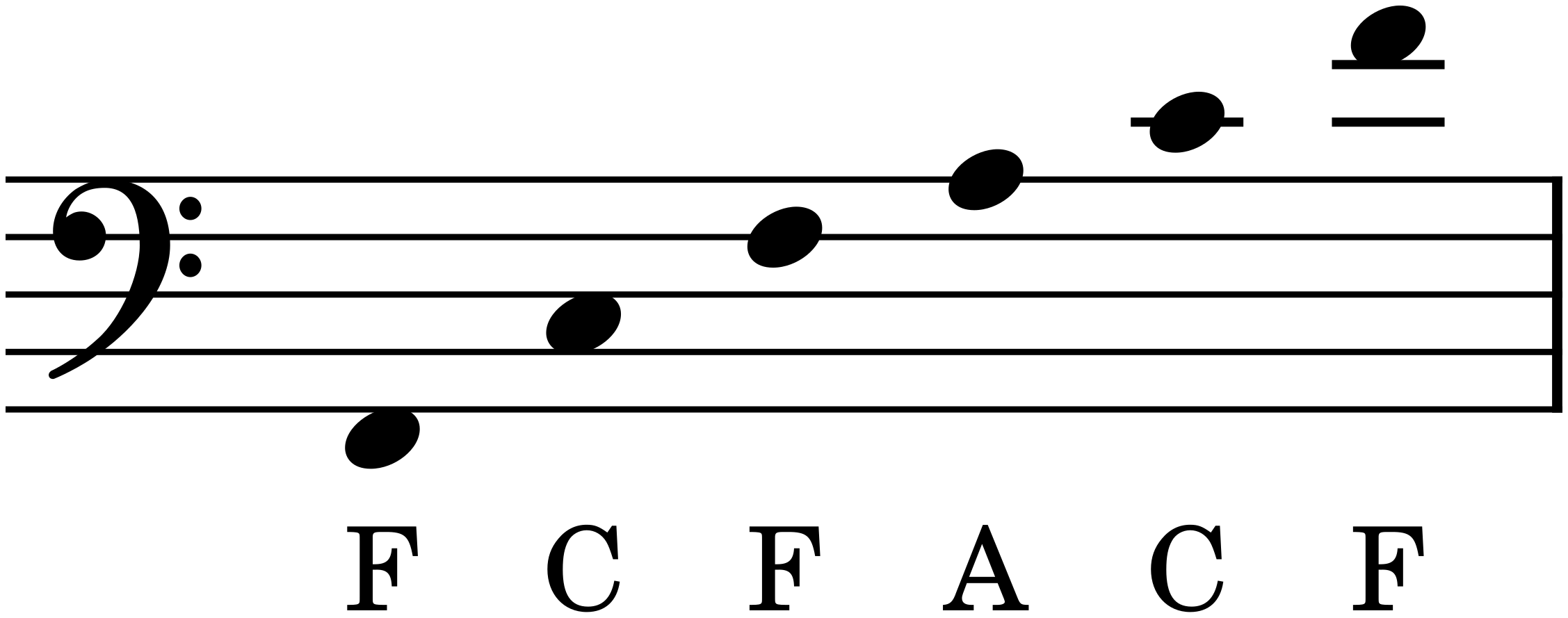
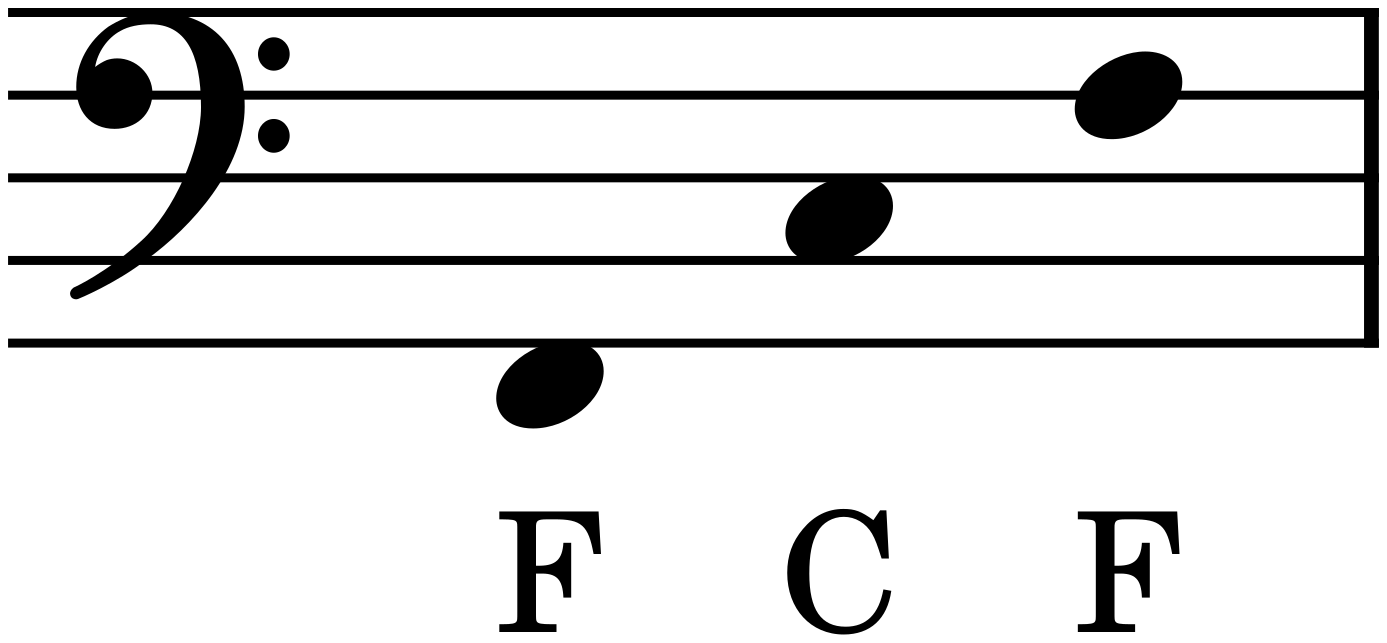
6th position: F, C, F, A, C, F

F · C · F · A · C · F

7th

Full stretch
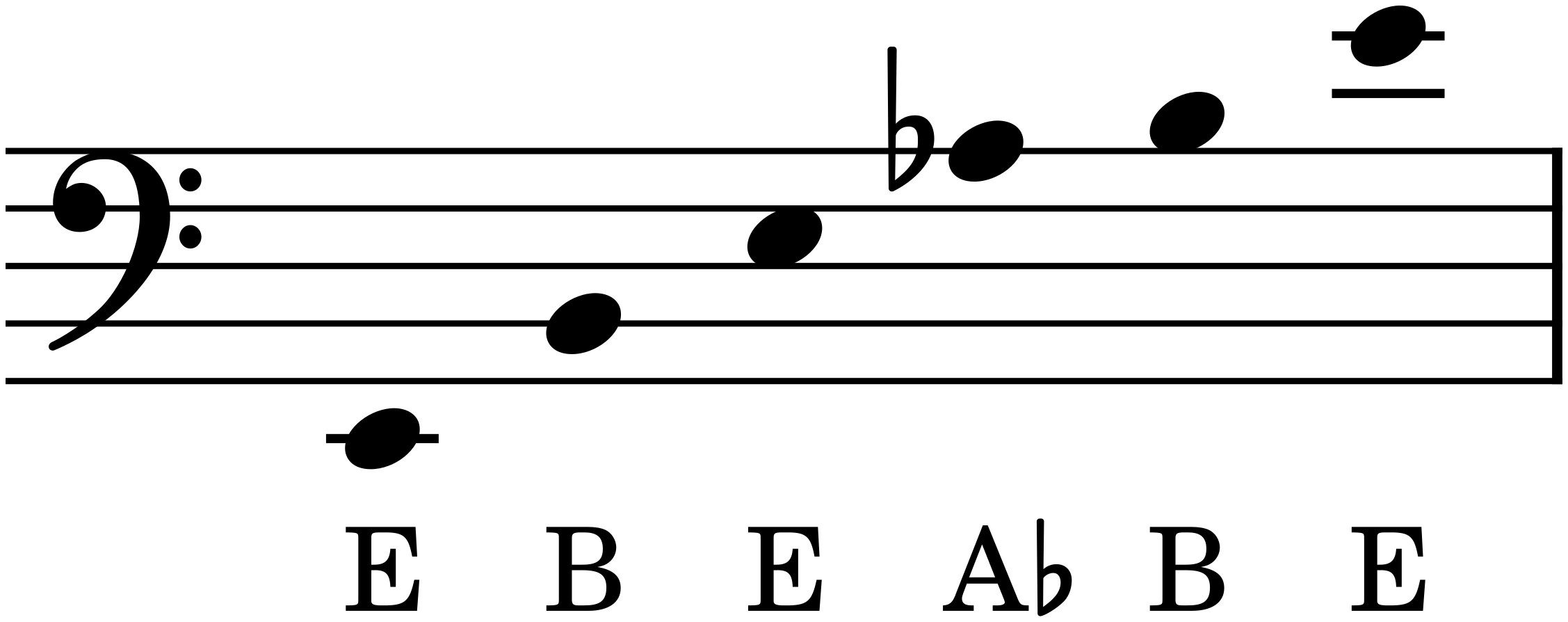
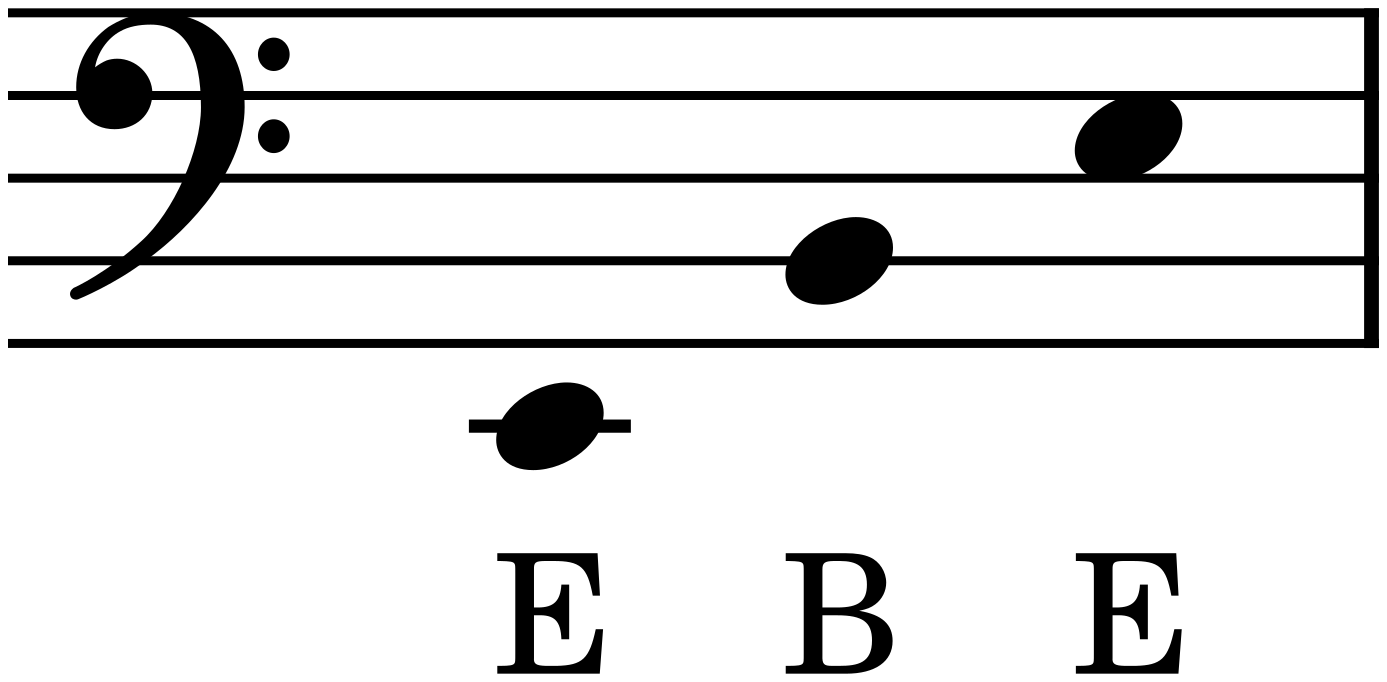
7th position: E, B, E, A♭, B, E

E · B · E · A♭ · B · E

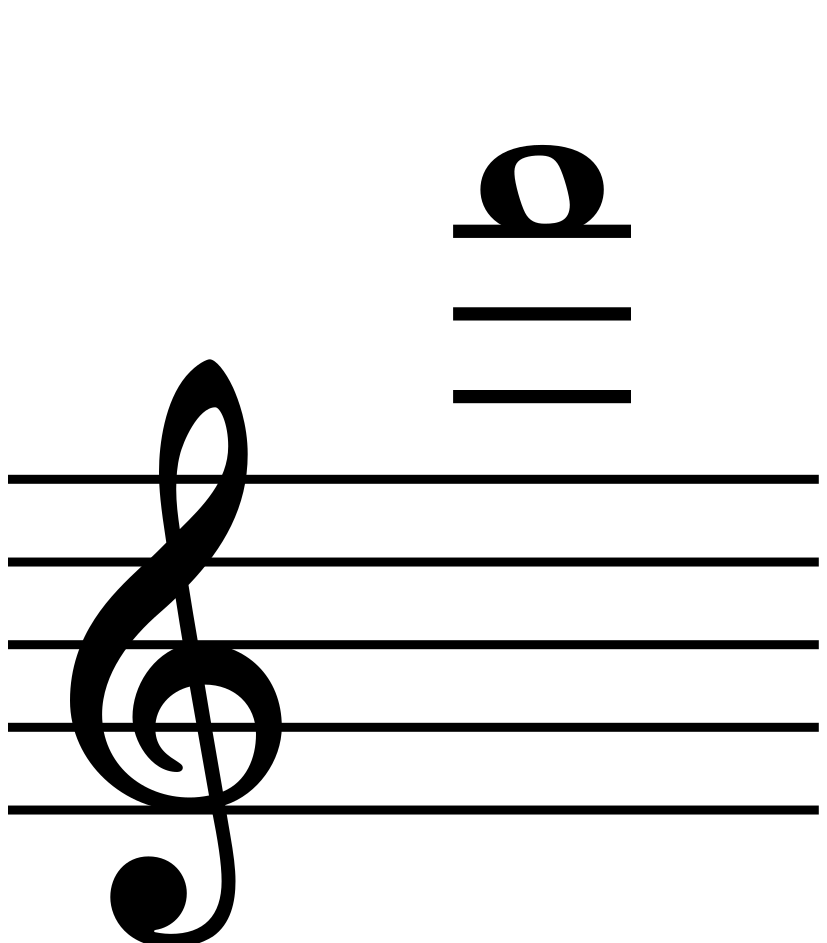
The 7th partial is left out because it plays flat. Common alternates: F3 in 6th, B♭3 in 5th (slightly in), A3 in 6th, C4 in 6th, D4 in 4th, E4 in short 5th and F4 in short 4th.

Chart by note (bass clef)

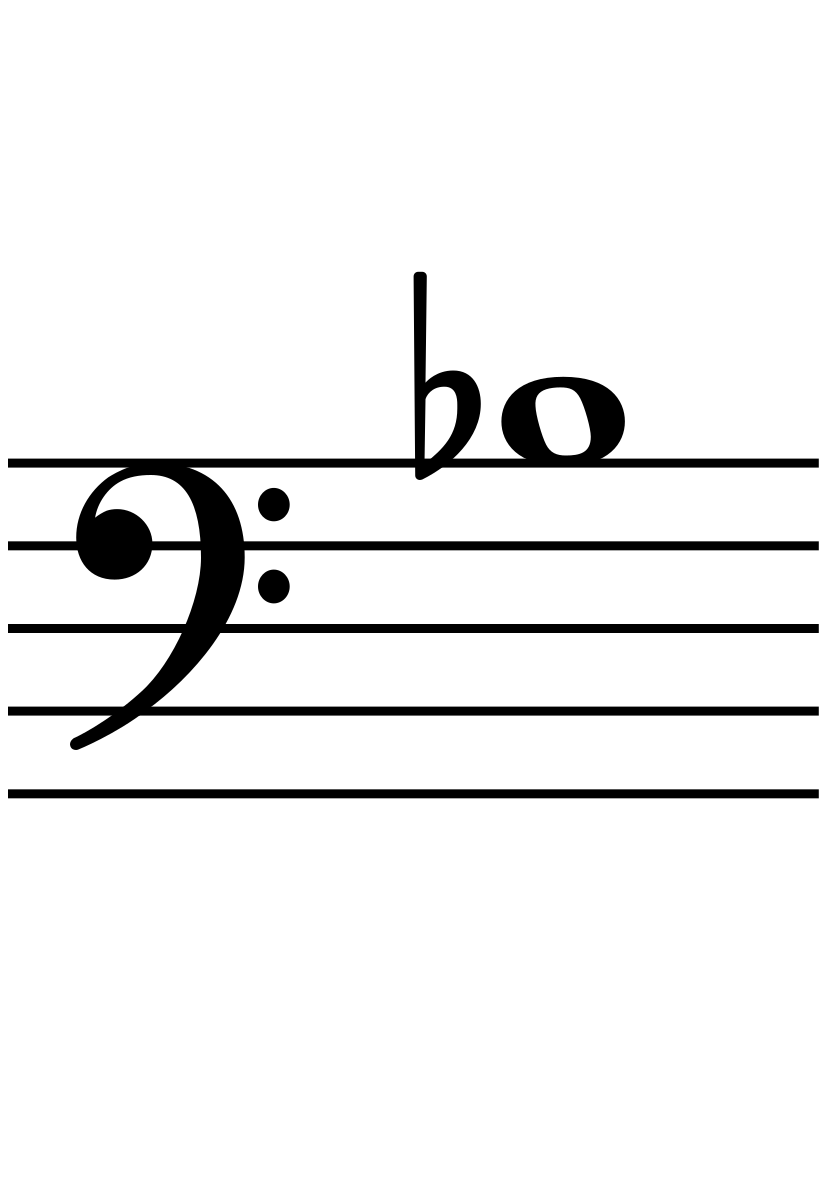
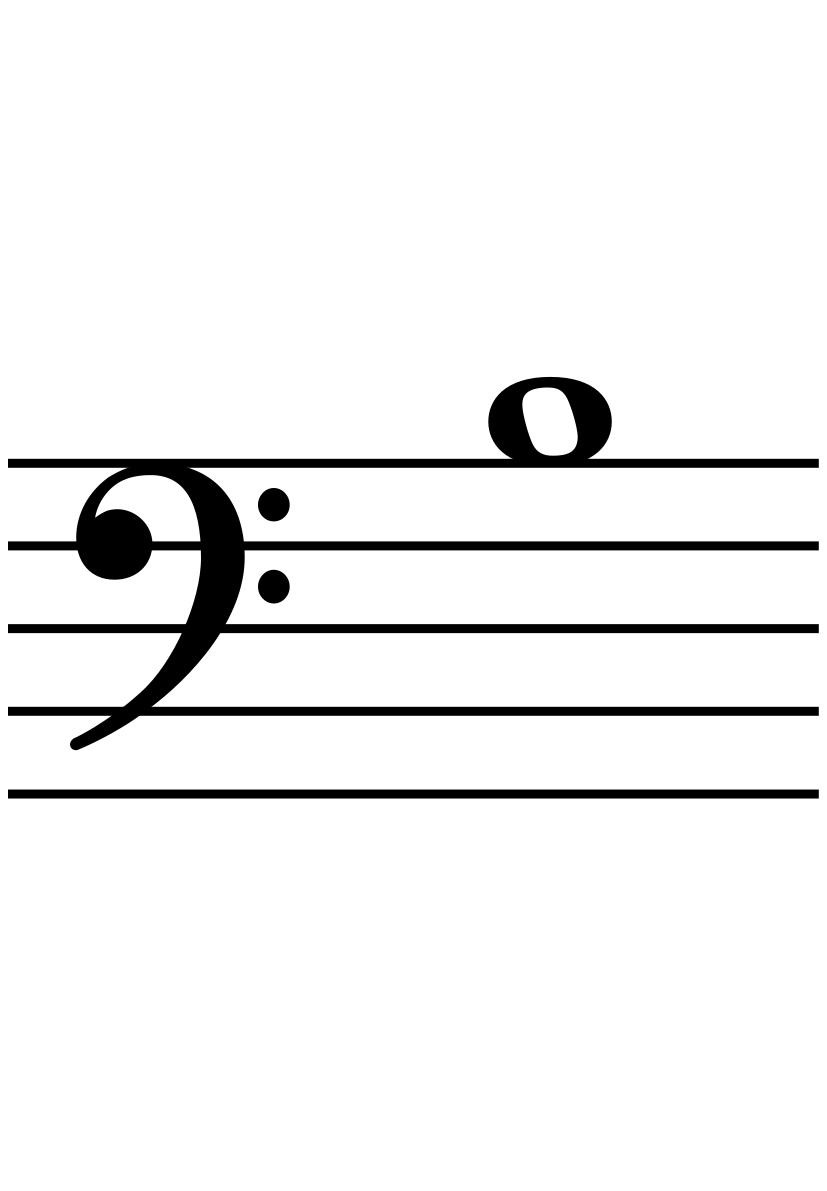
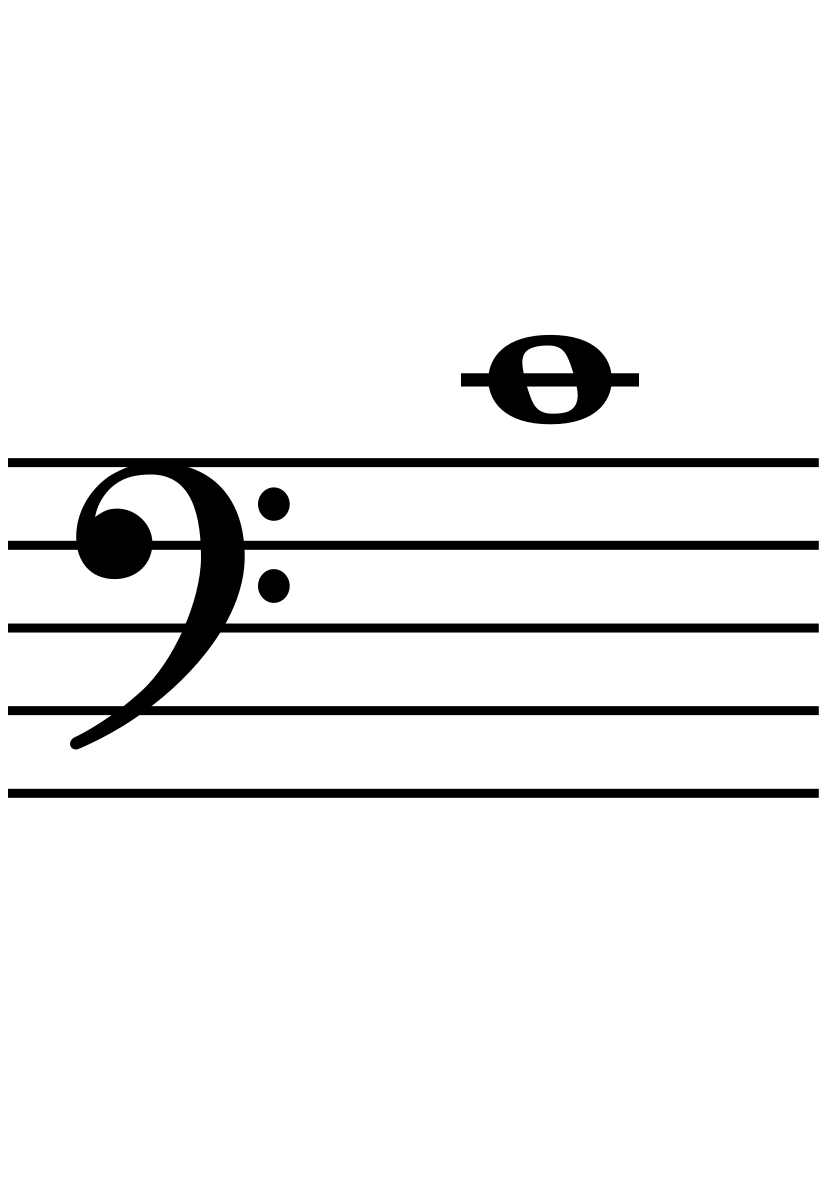
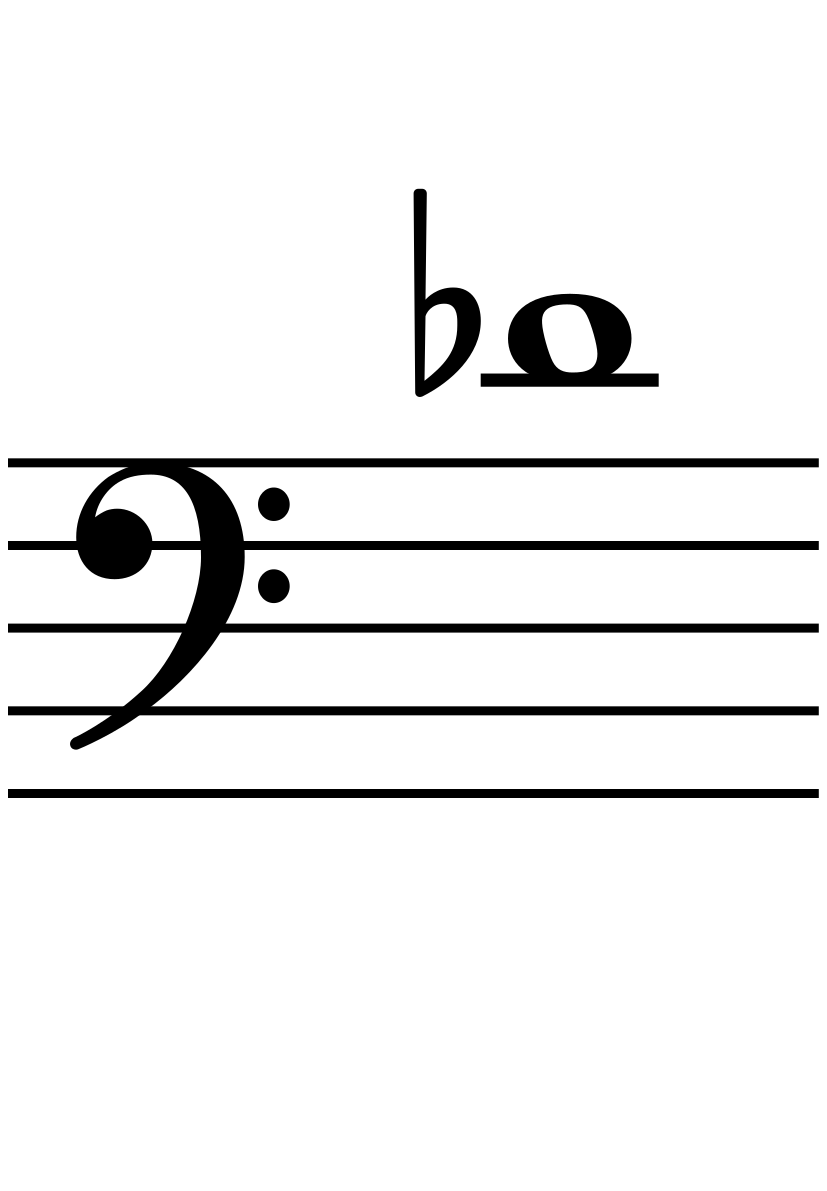
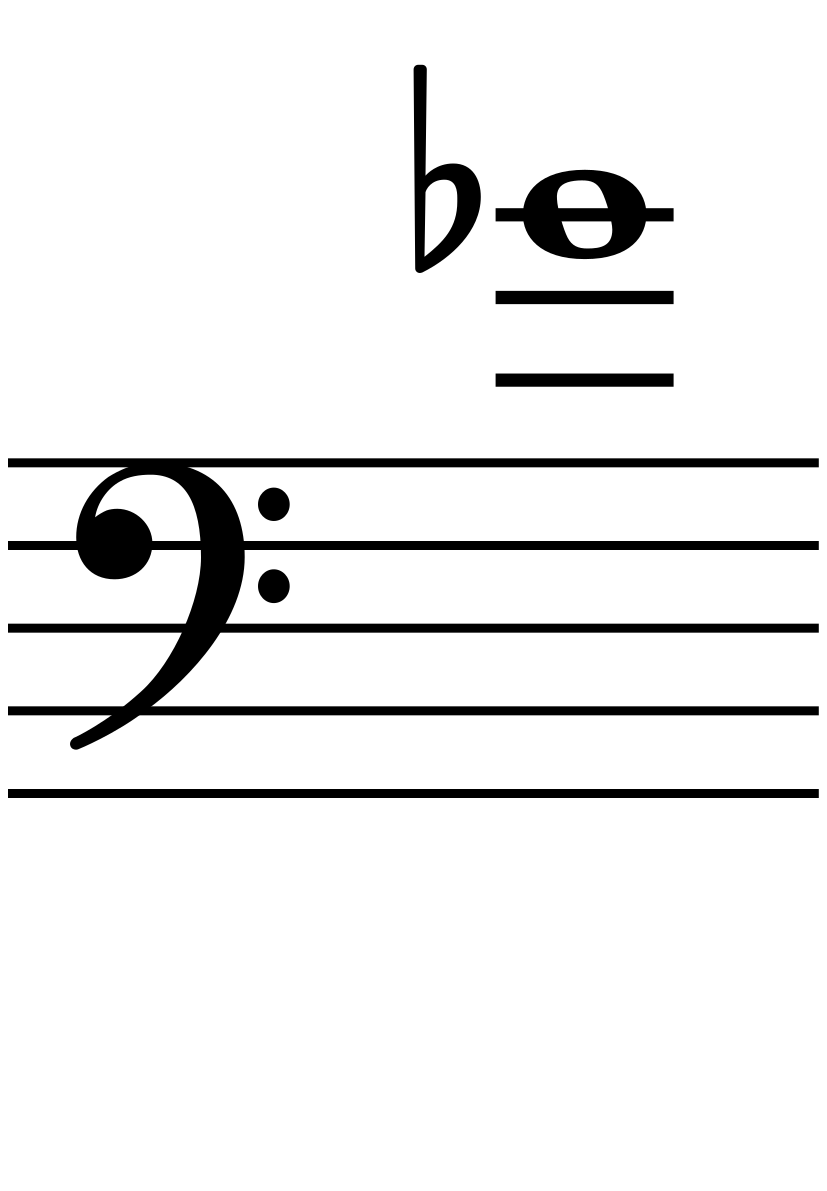
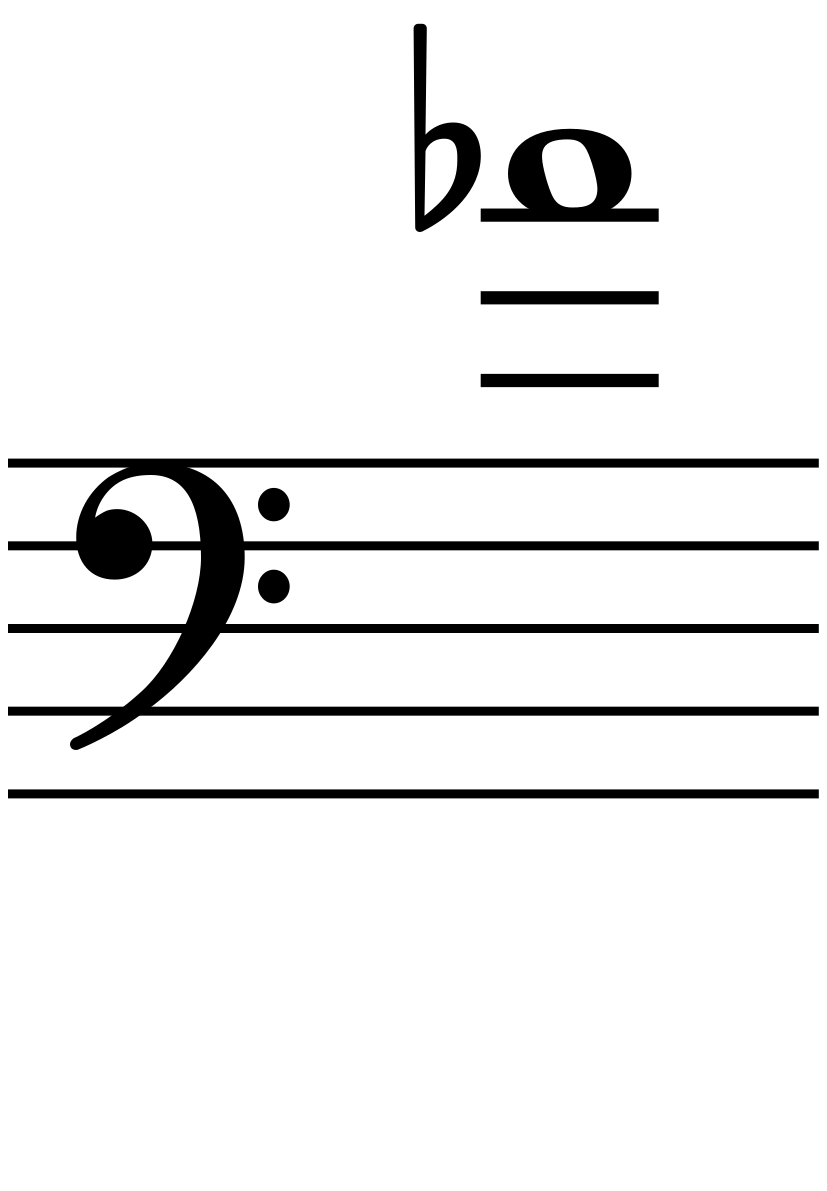
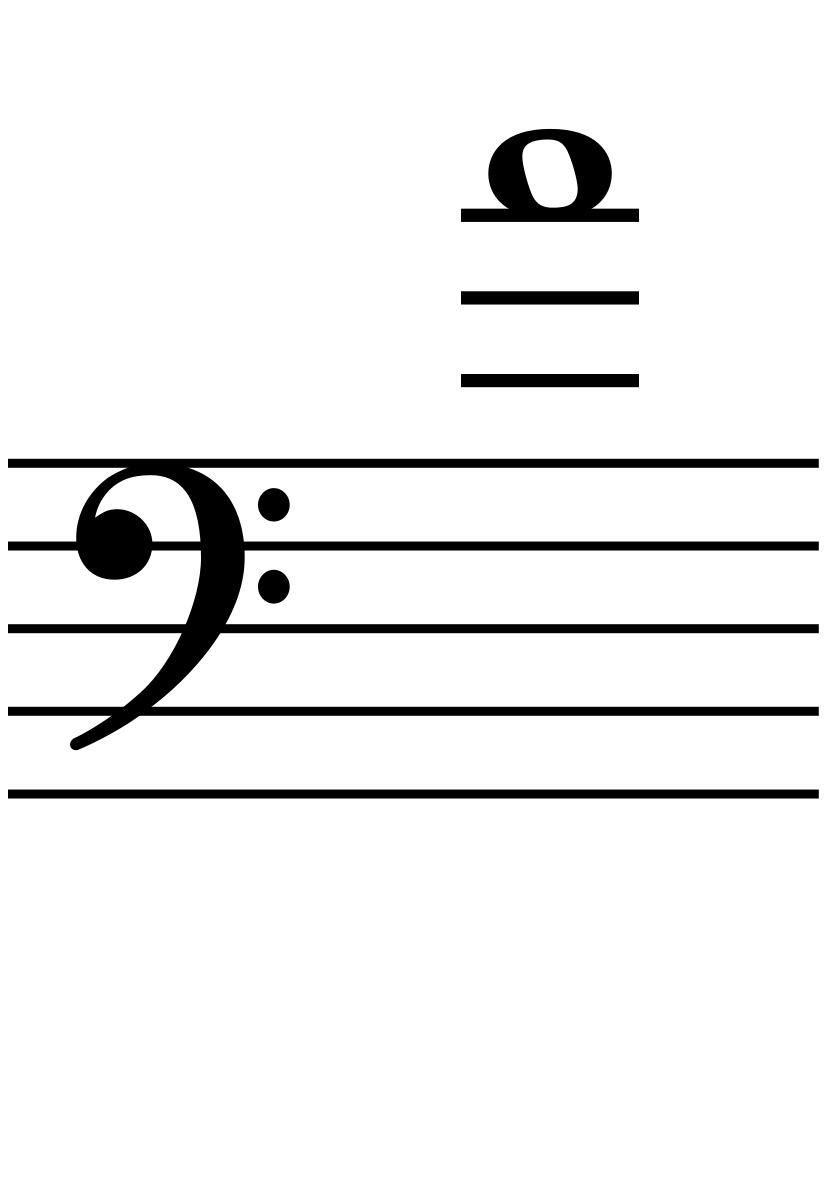
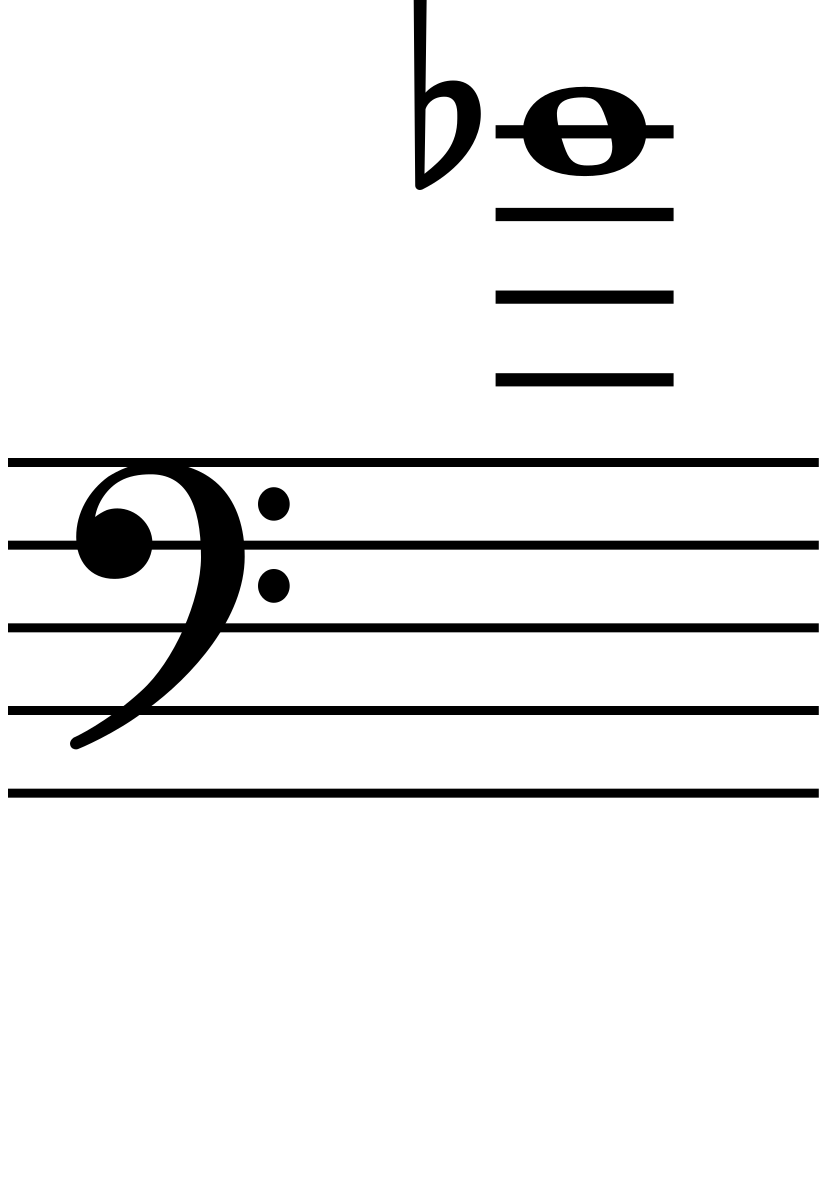
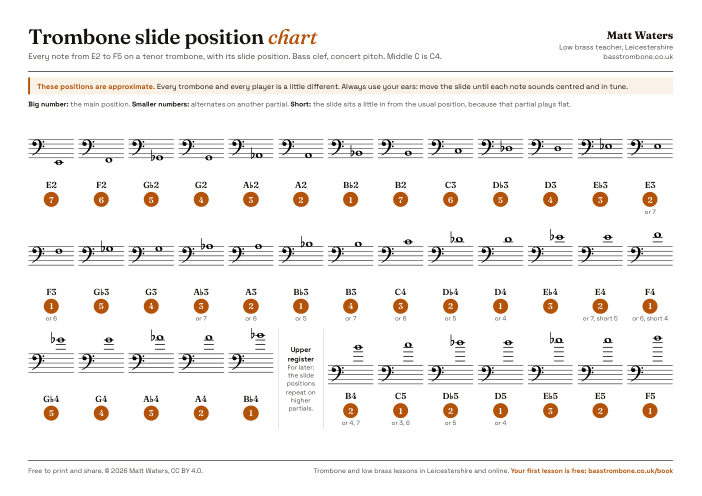
Every note from E2, the bottom of the open trombone, up to F5, at concert pitch. Middle C is C4. The amber number is the main position and the smaller ones are alternates. Short means the slide sits a little in from the usual spot, because that partial plays flat.

Low register E2 to E3
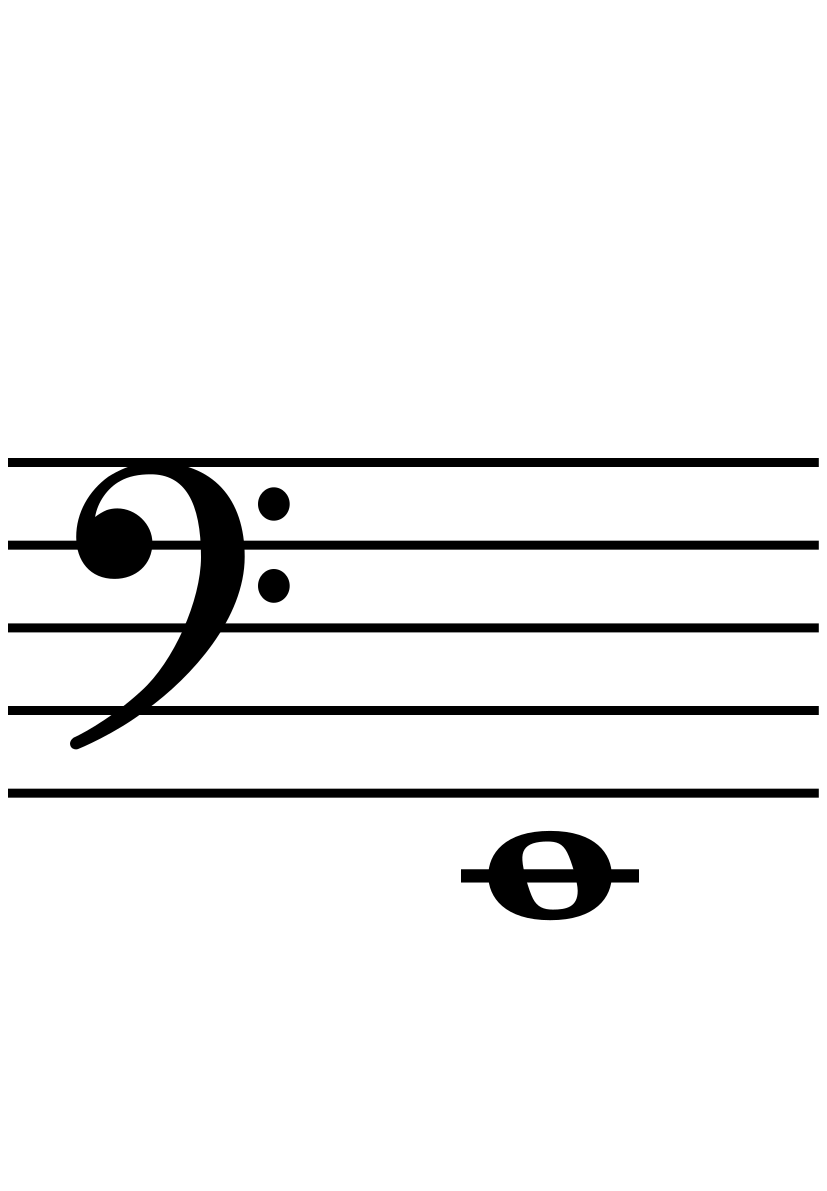
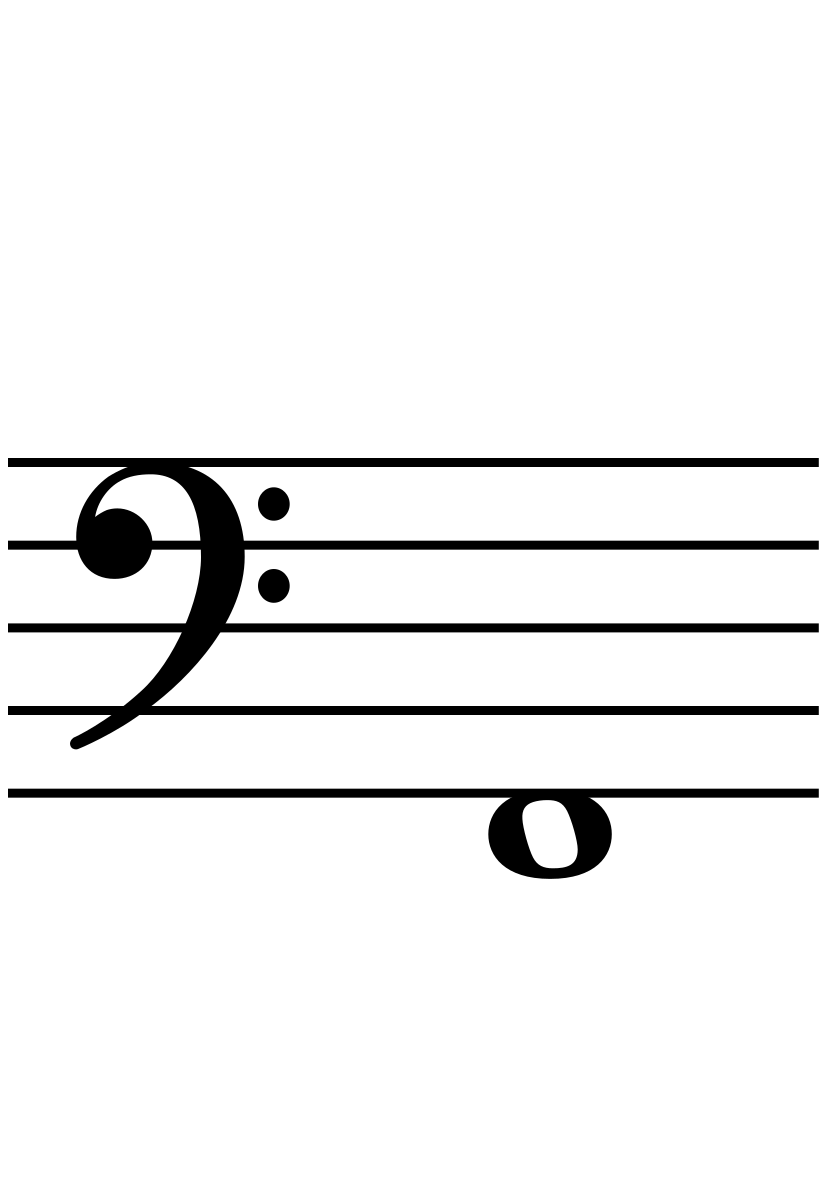
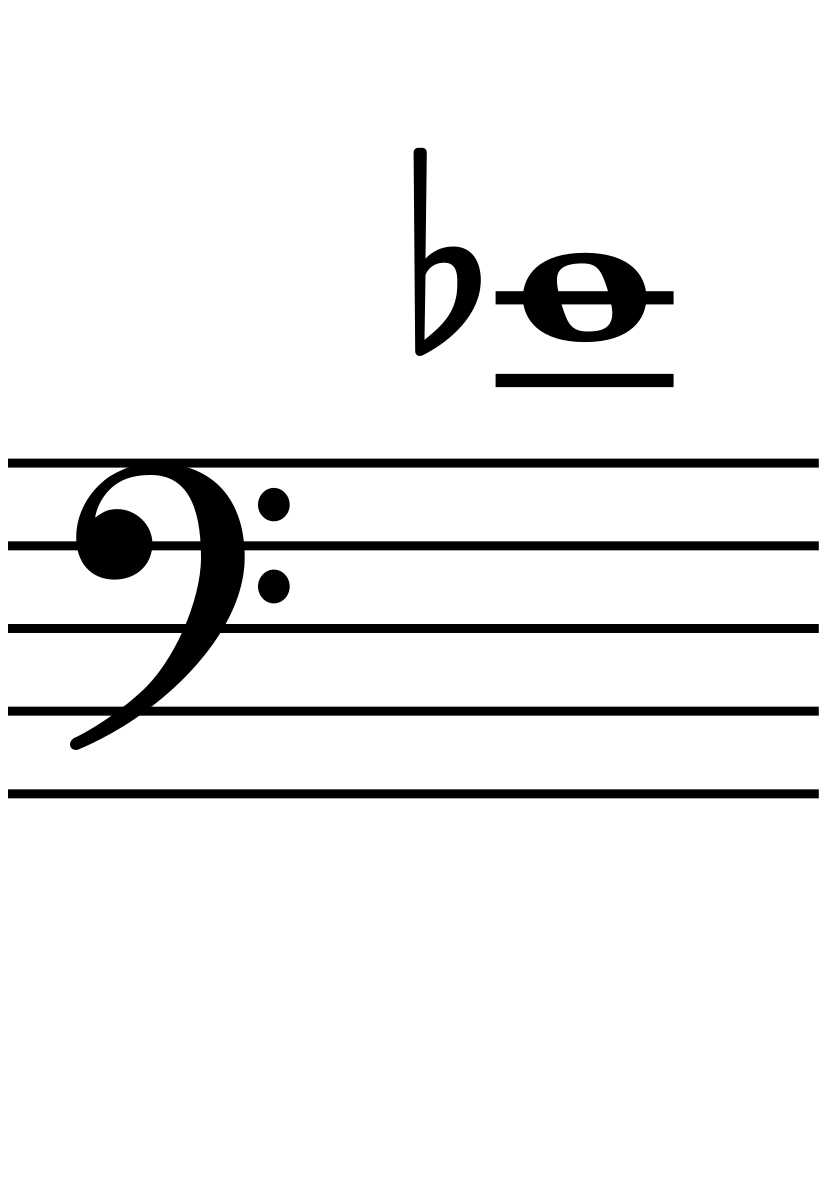
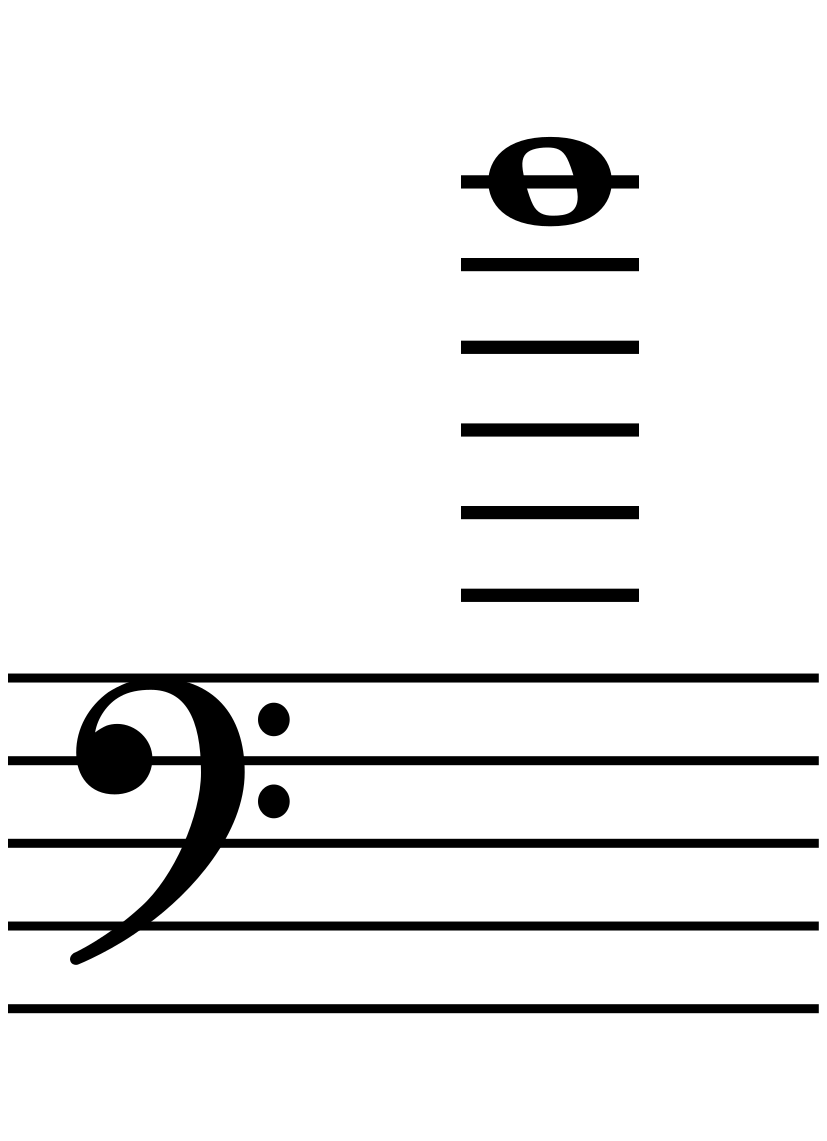
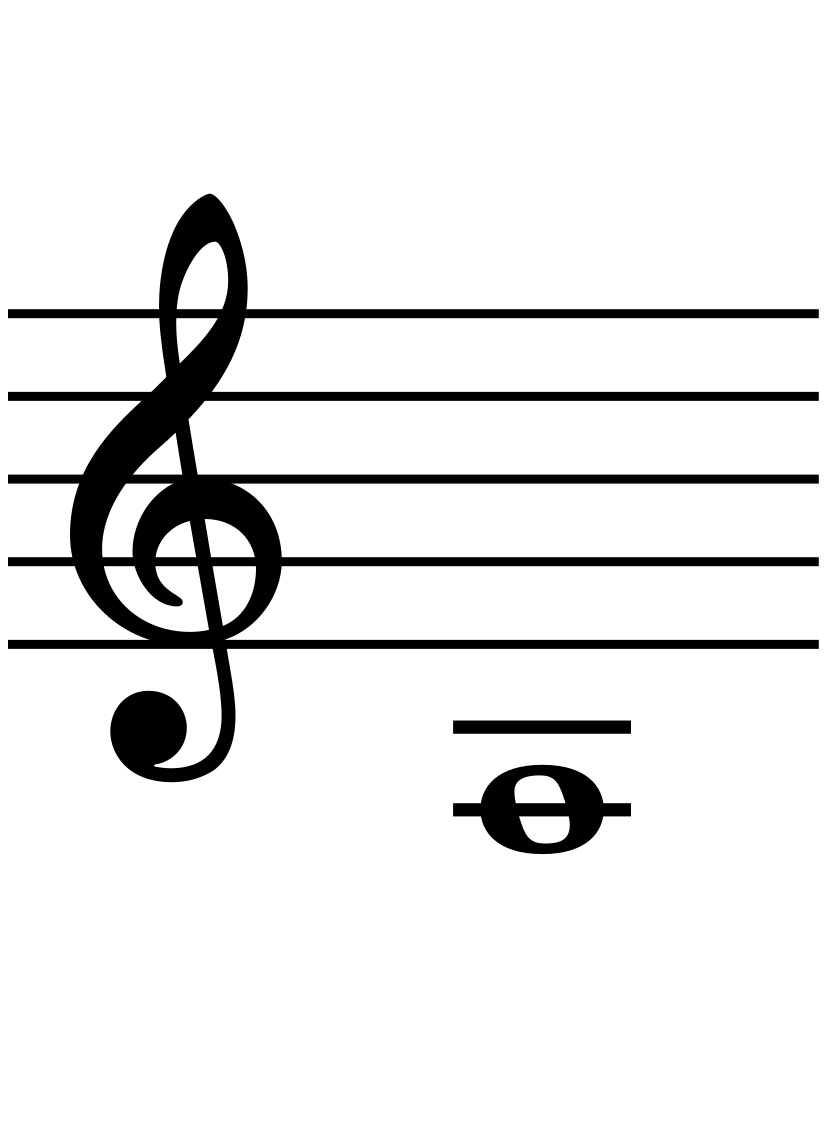
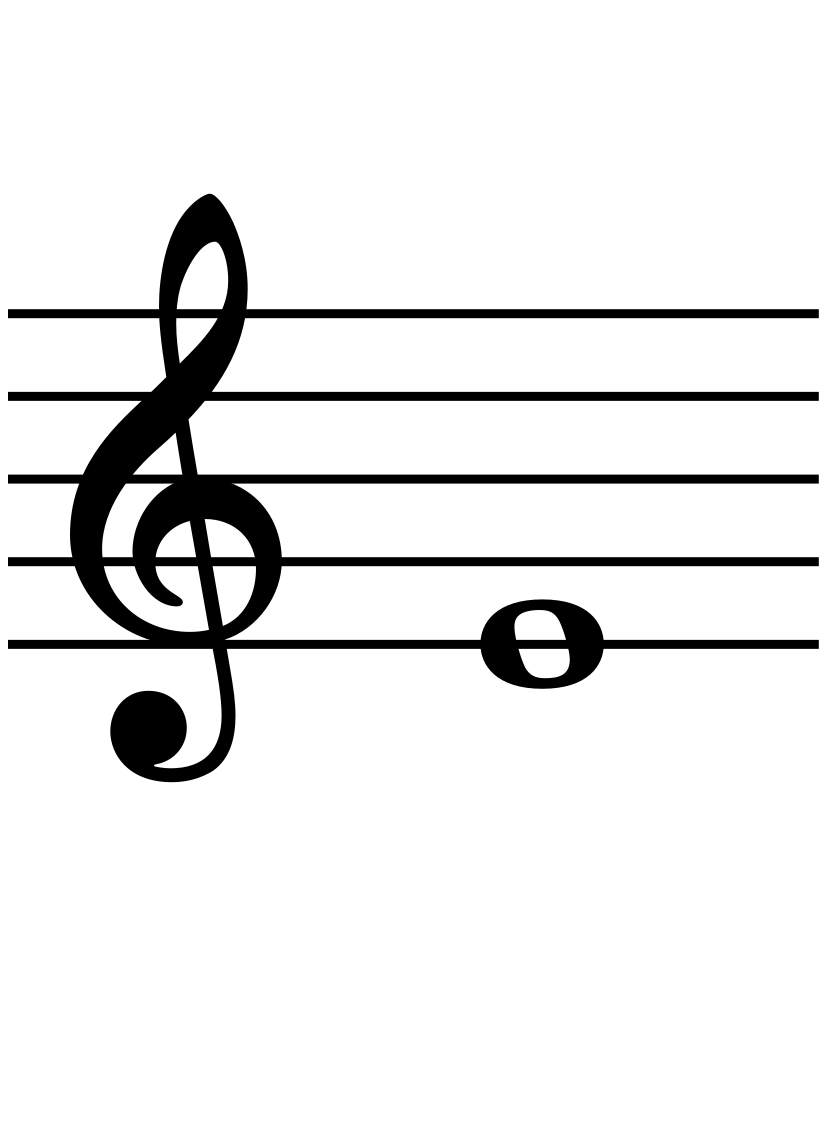
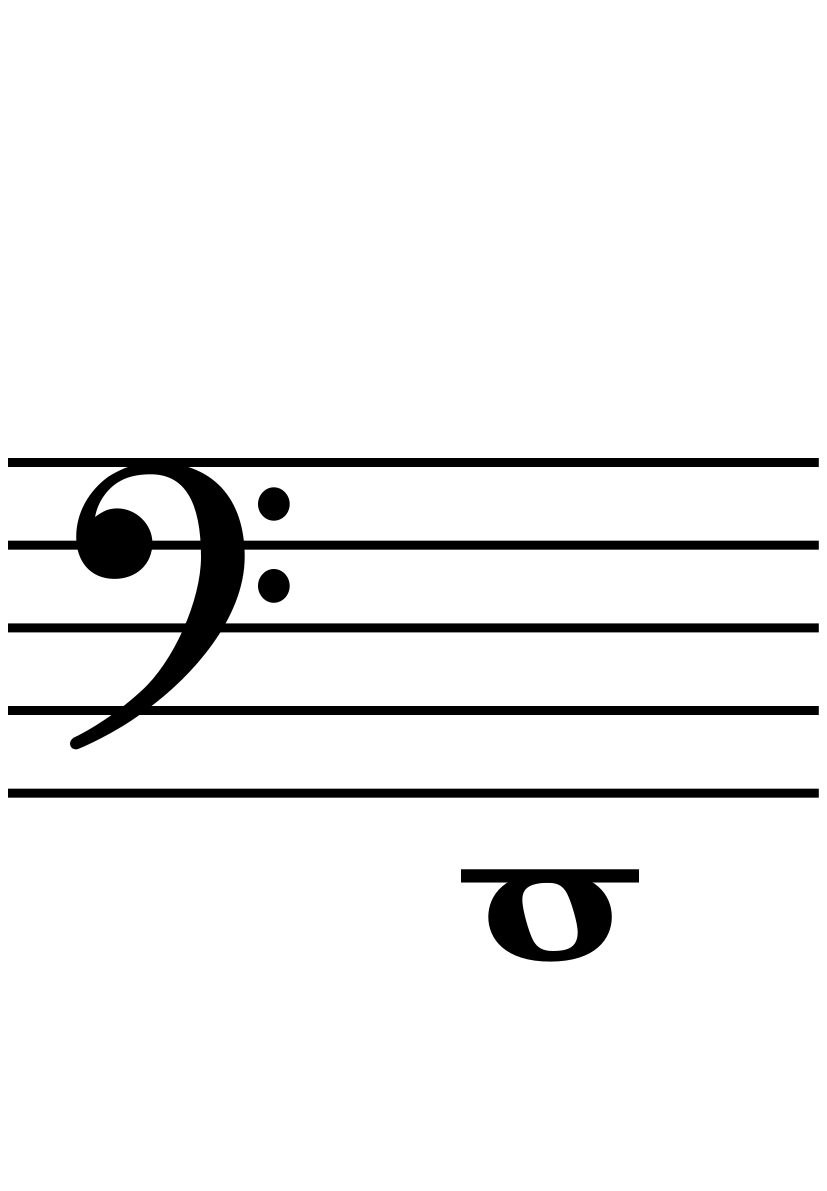
E2: 7th position
E27 
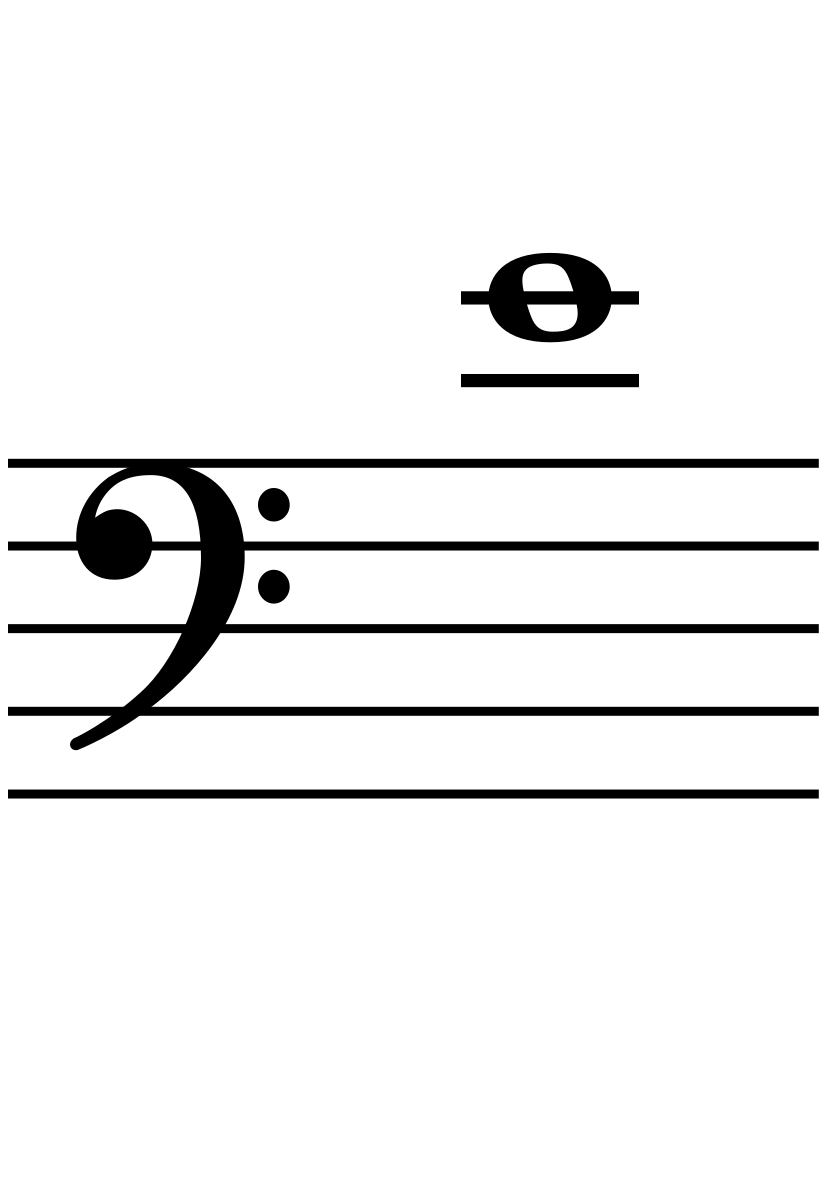
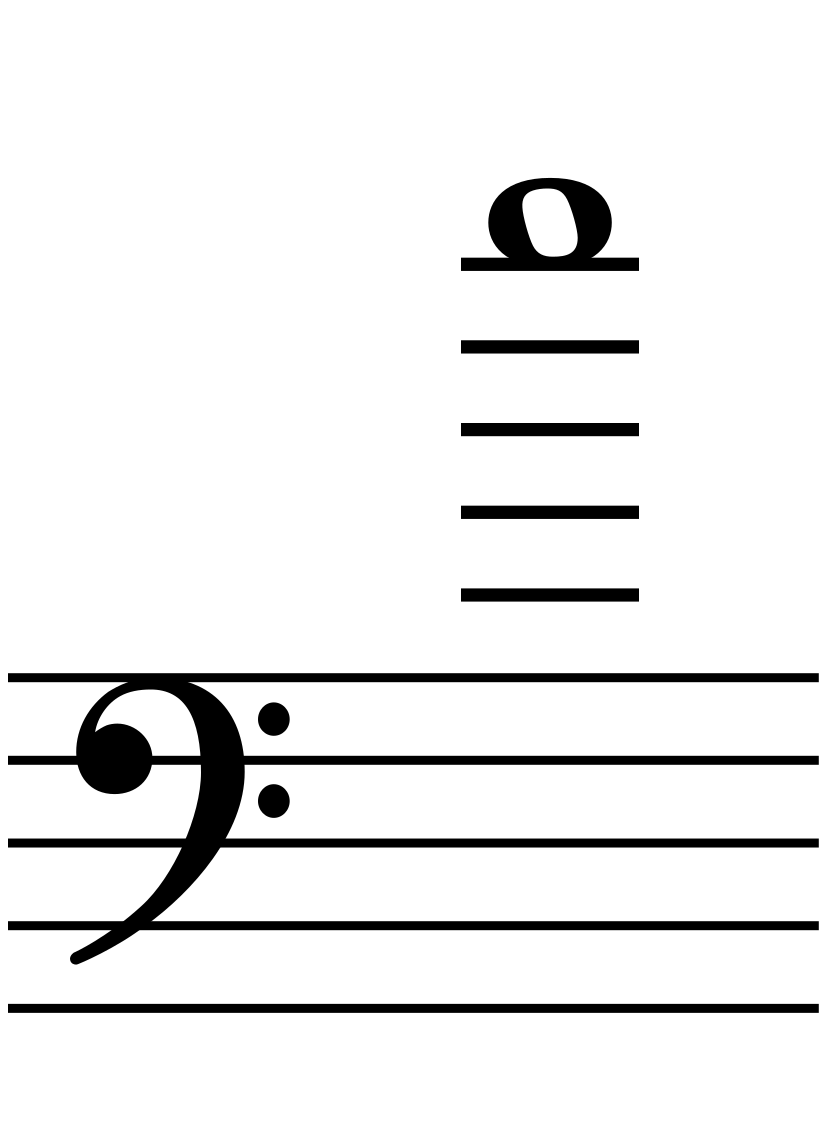
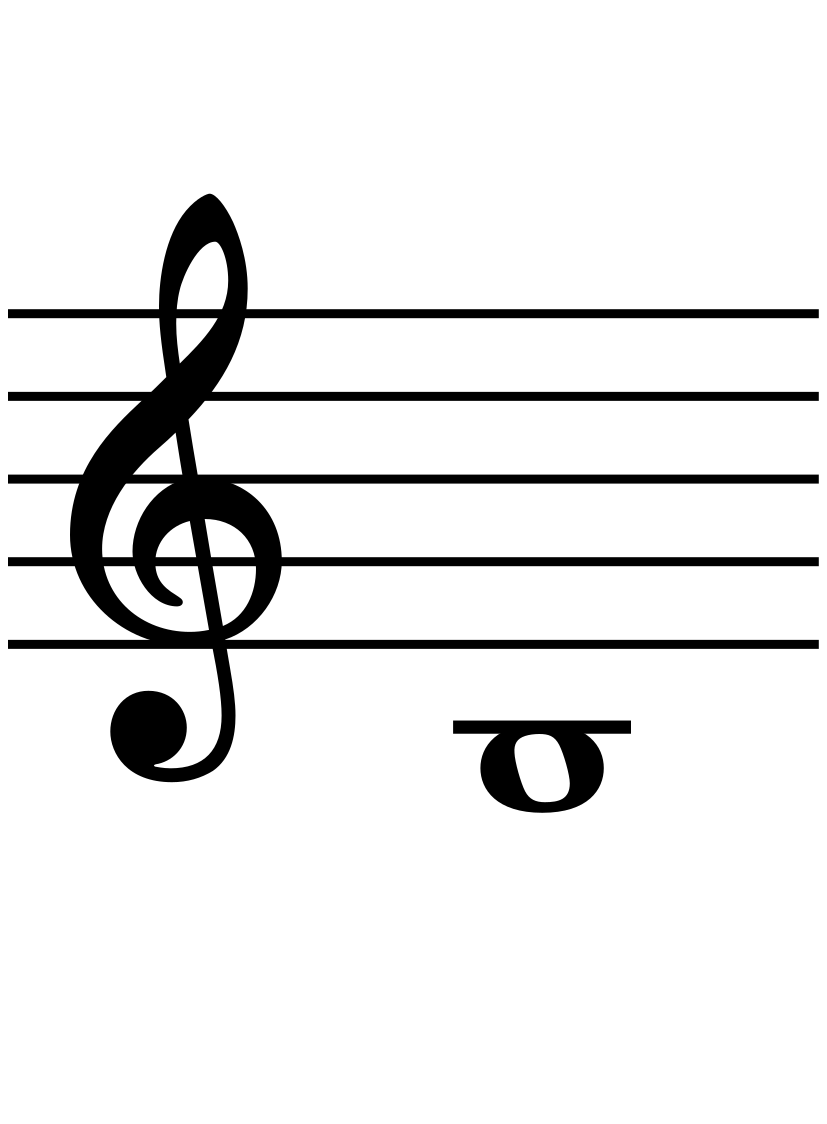
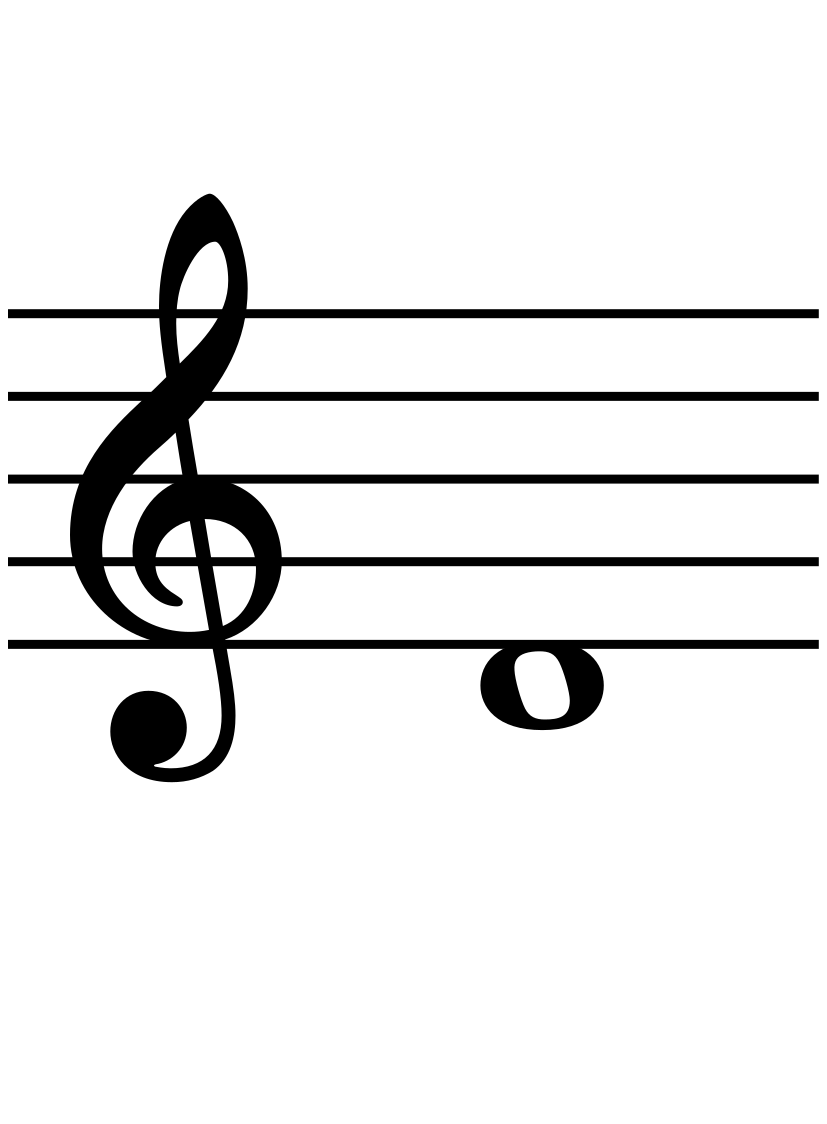
F2: 6th position
F26 
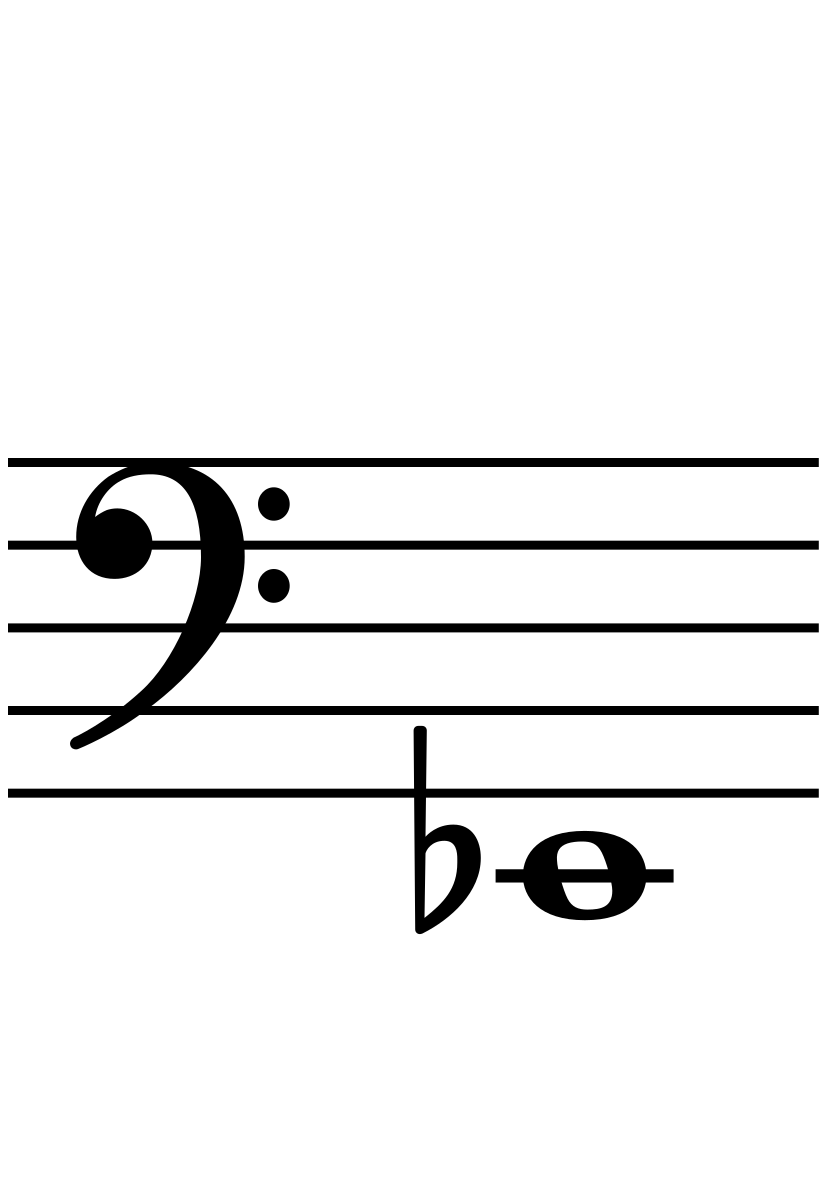
G♭2: 5th position
G♭2= F♯25 
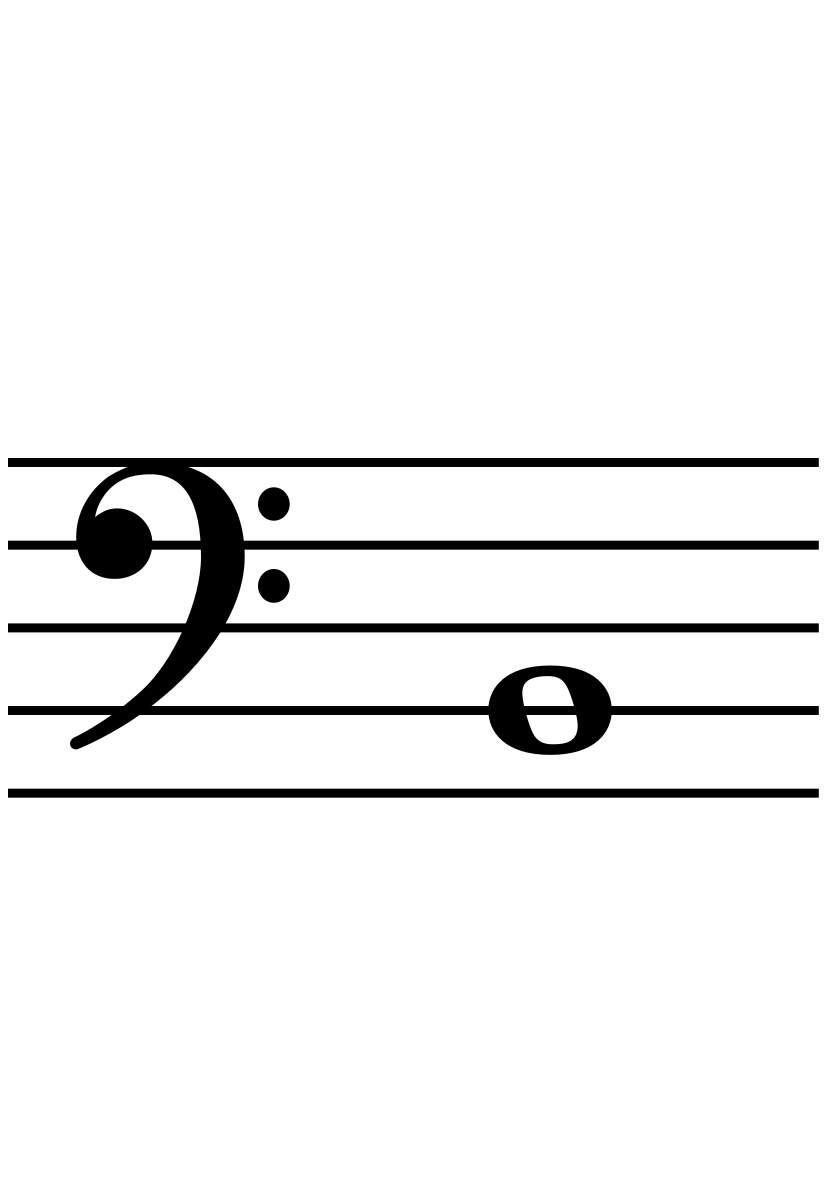
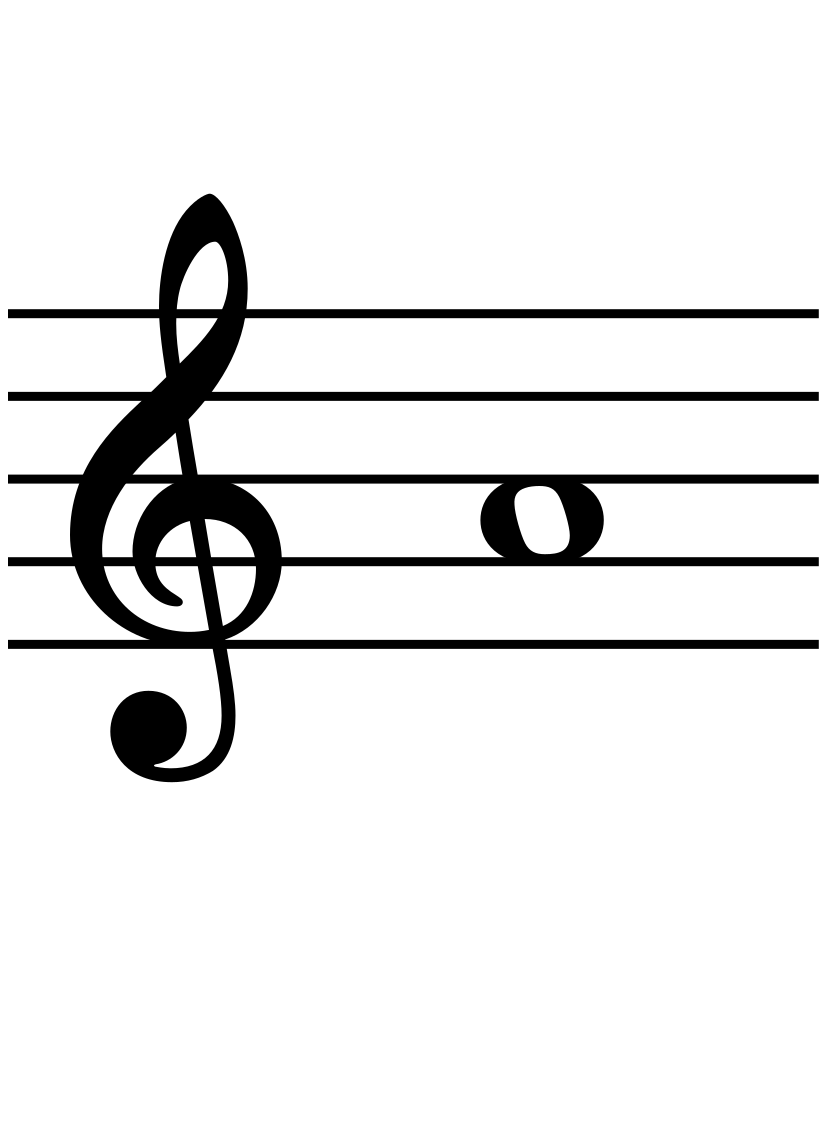
G2: 4th position
G24 
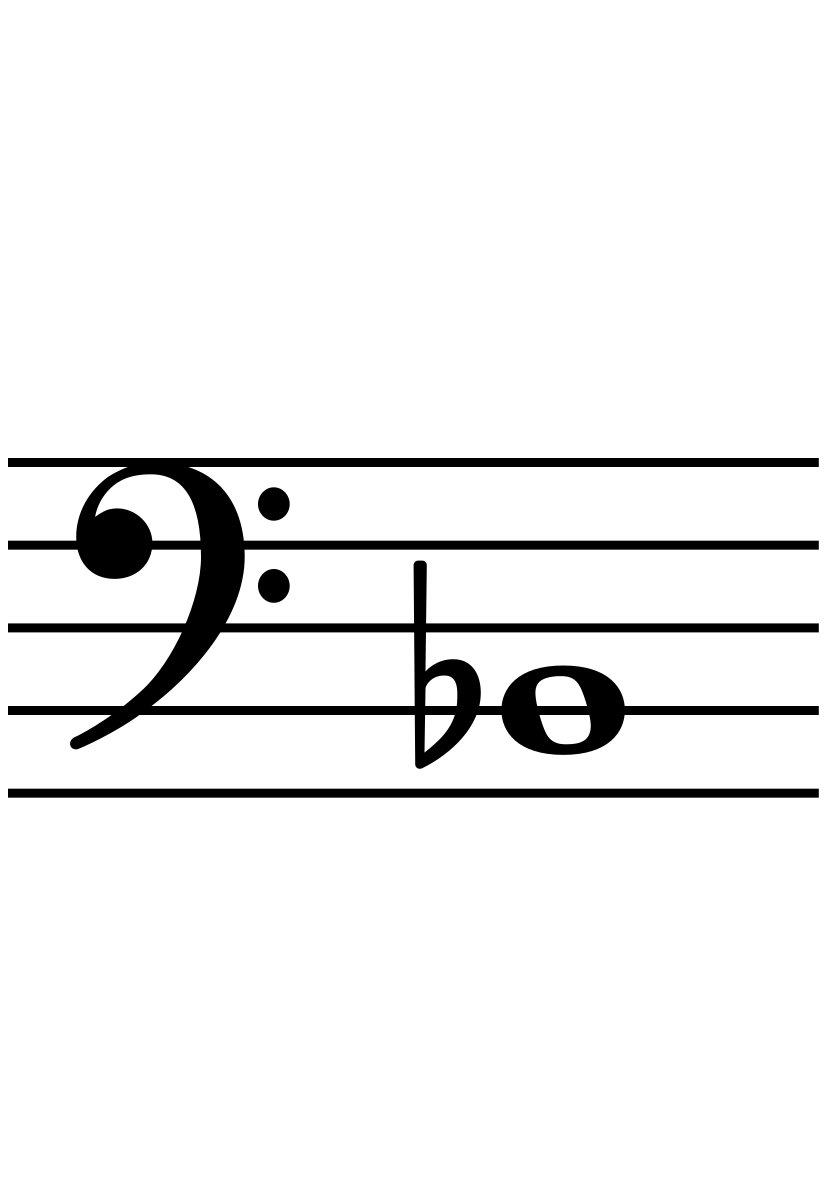
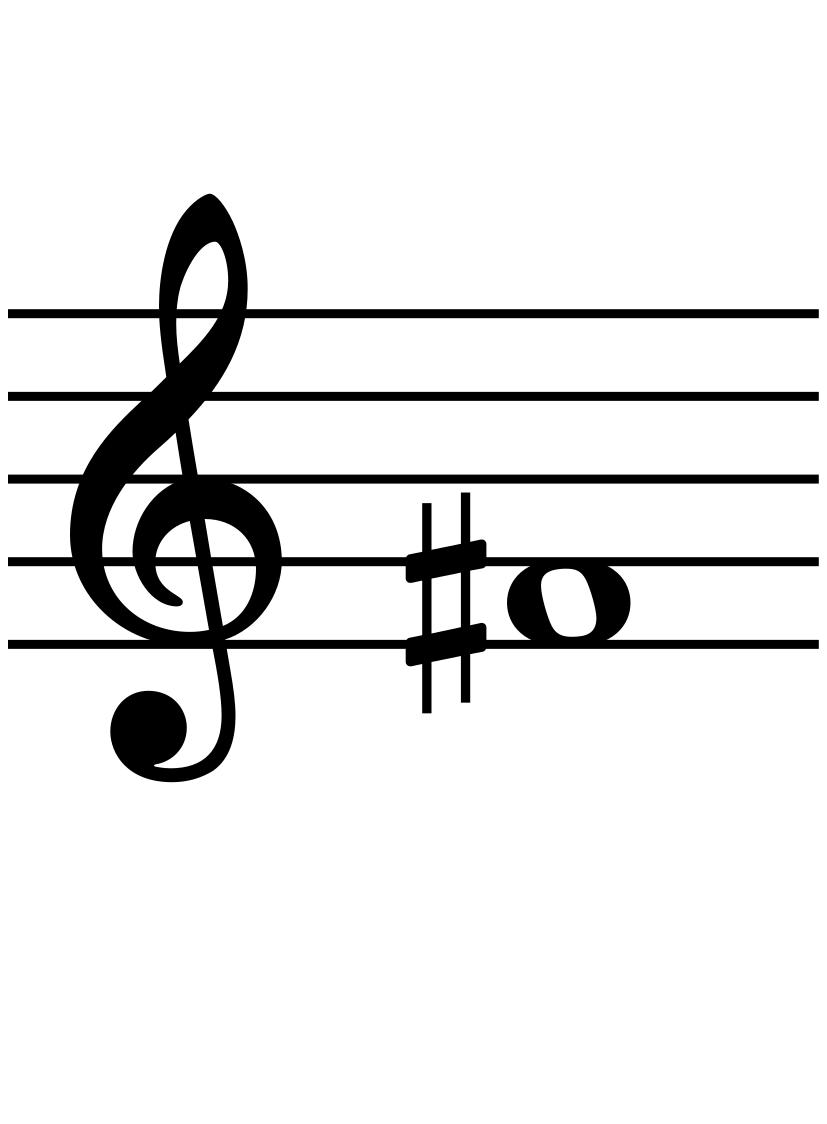
A♭2: 3rd position
A♭2= G♯23 
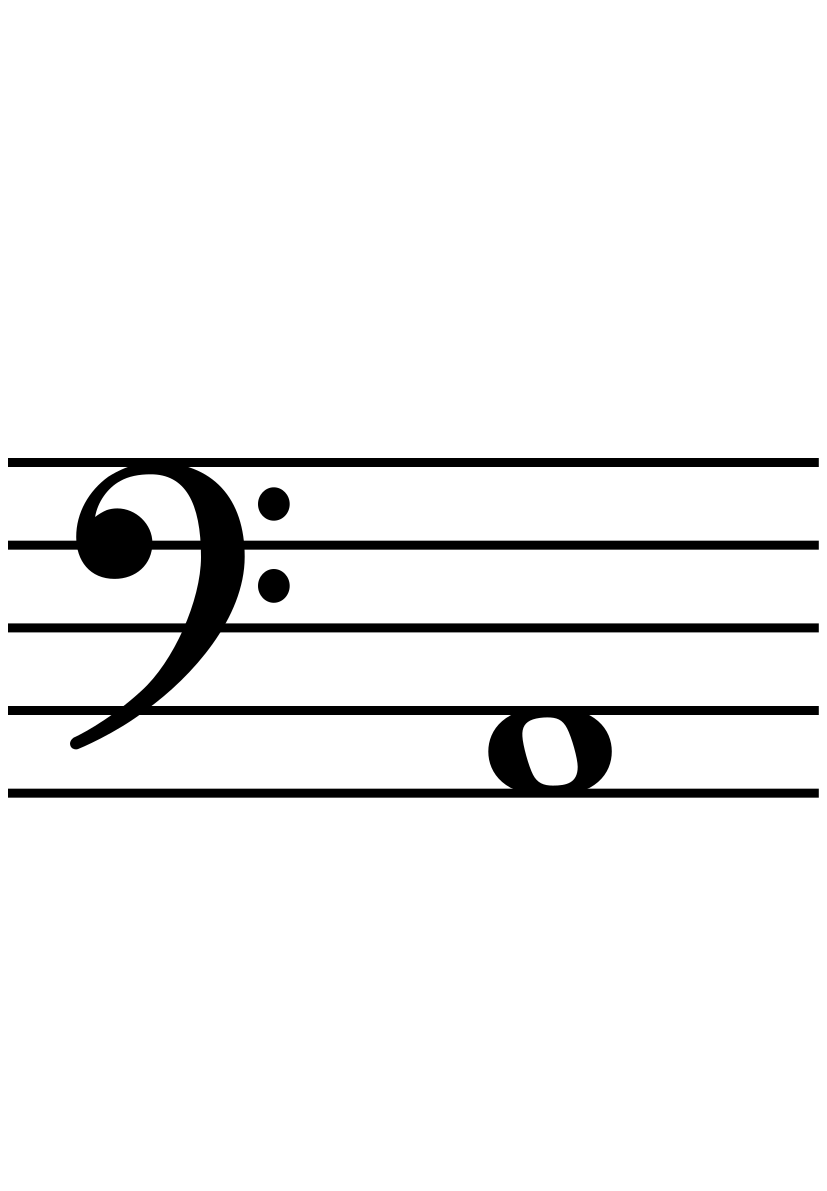
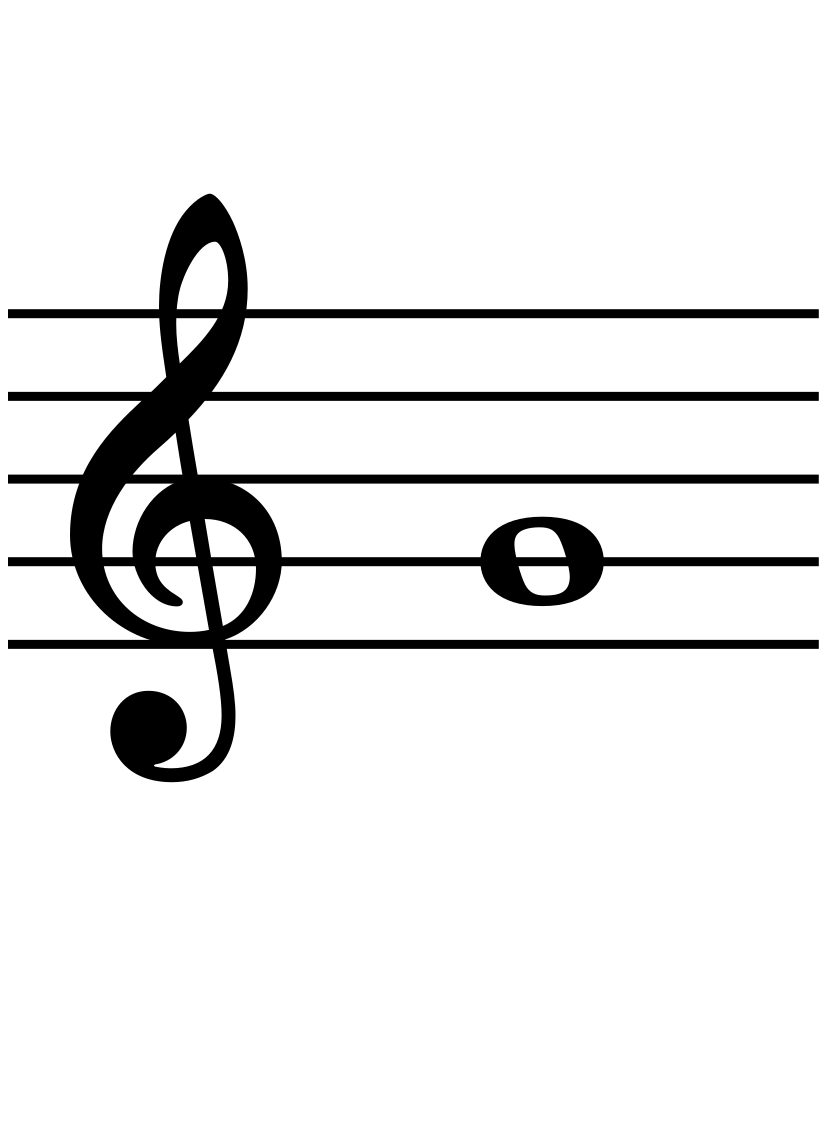
A2: 2nd position
A22 
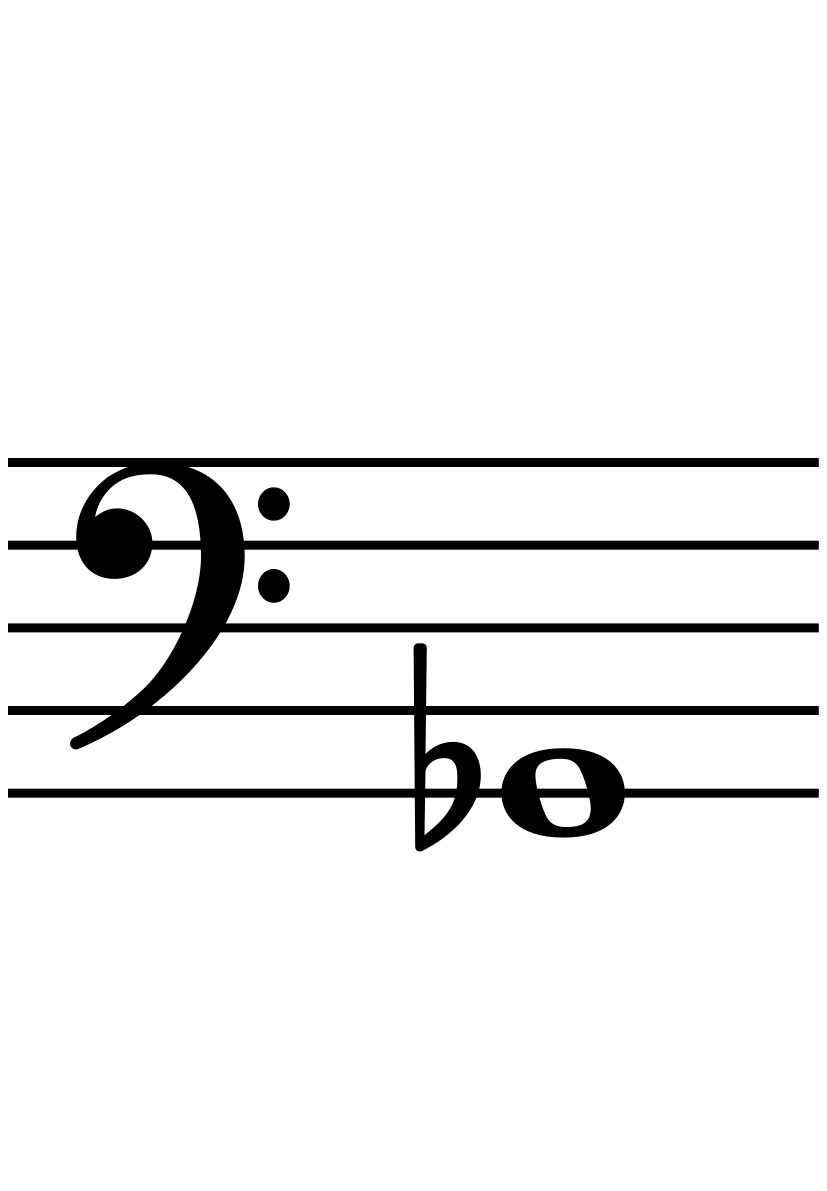
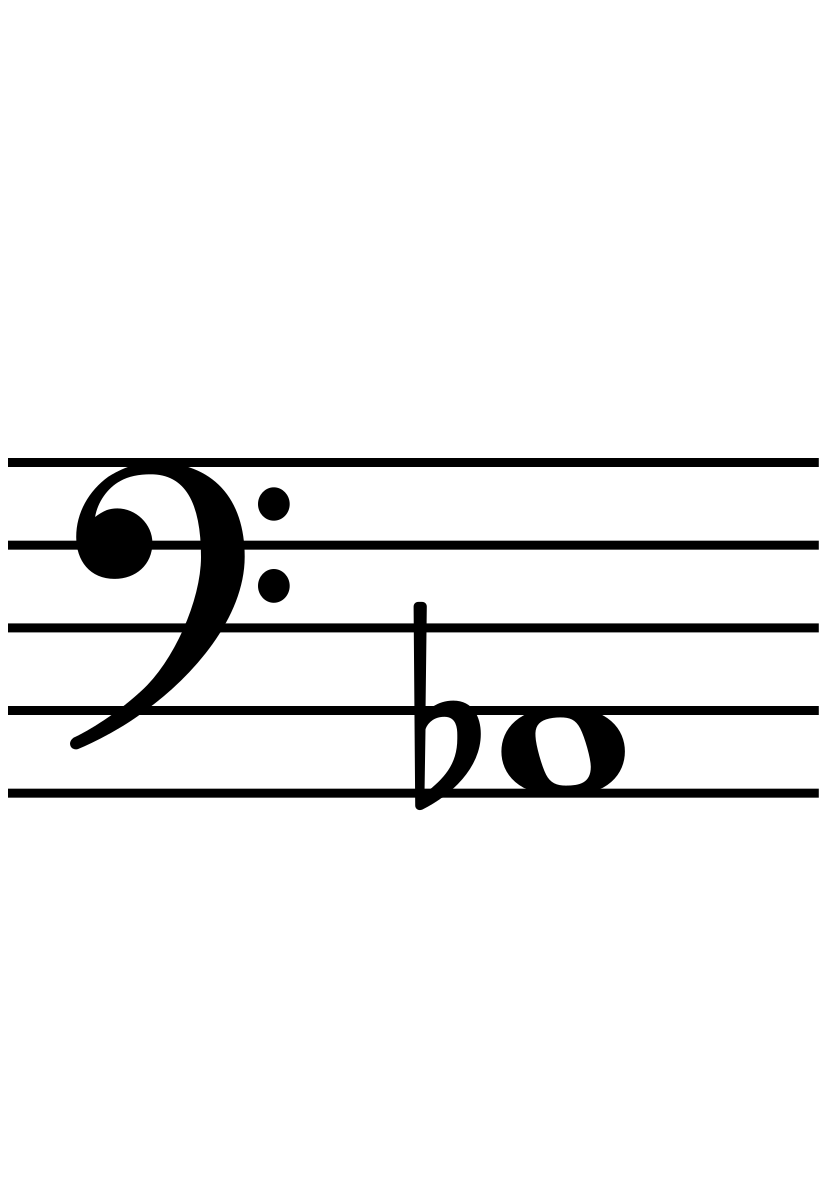
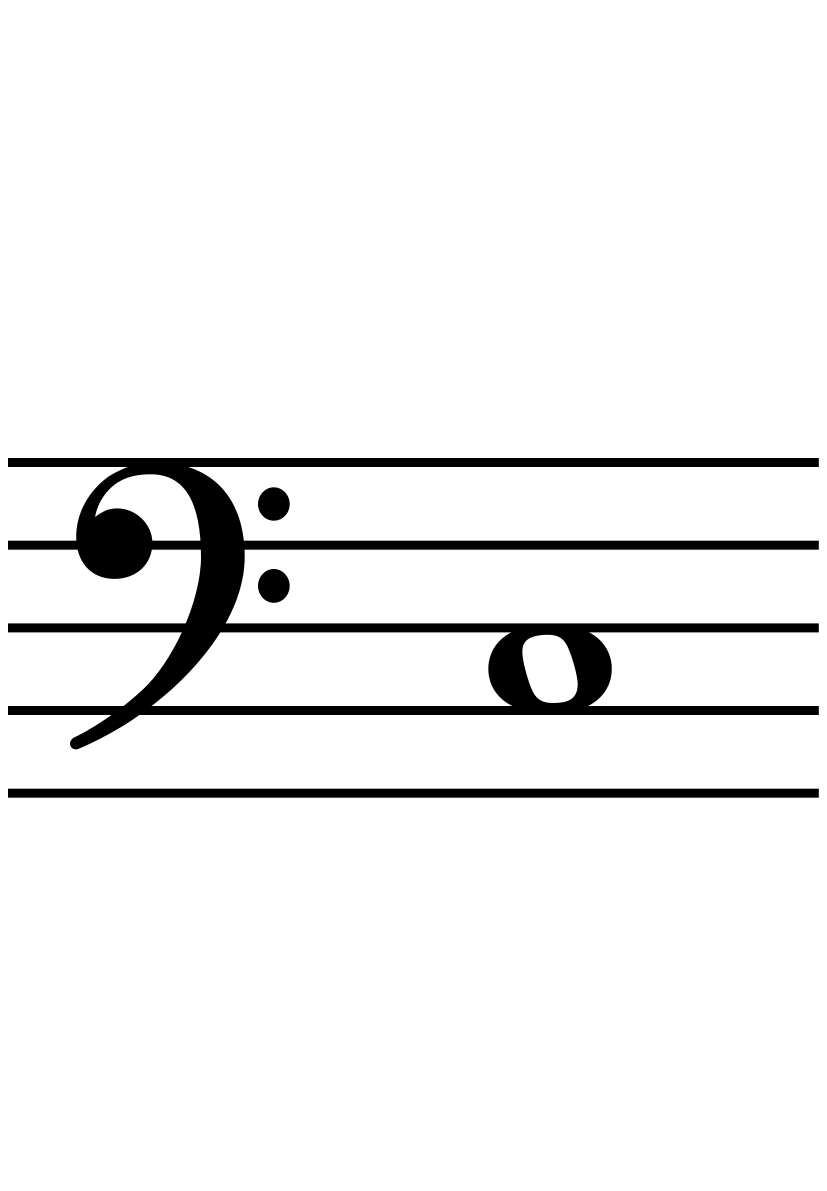
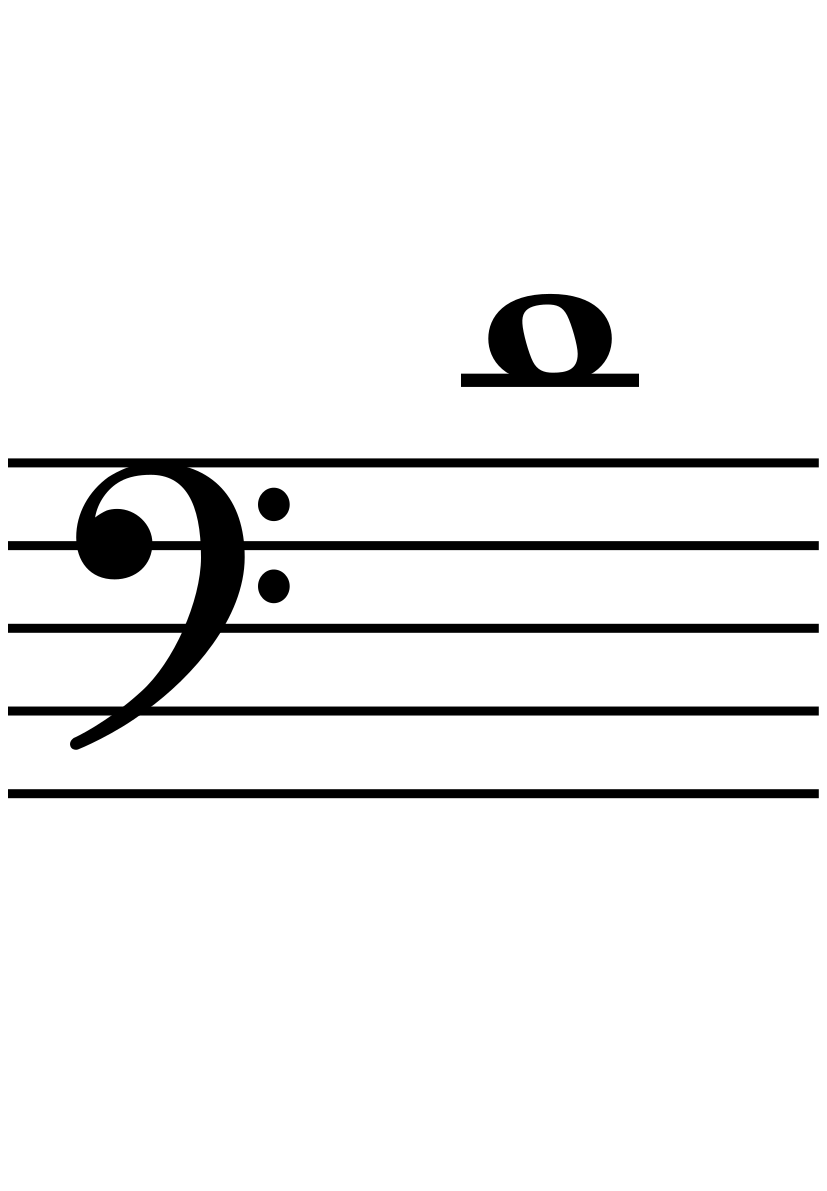
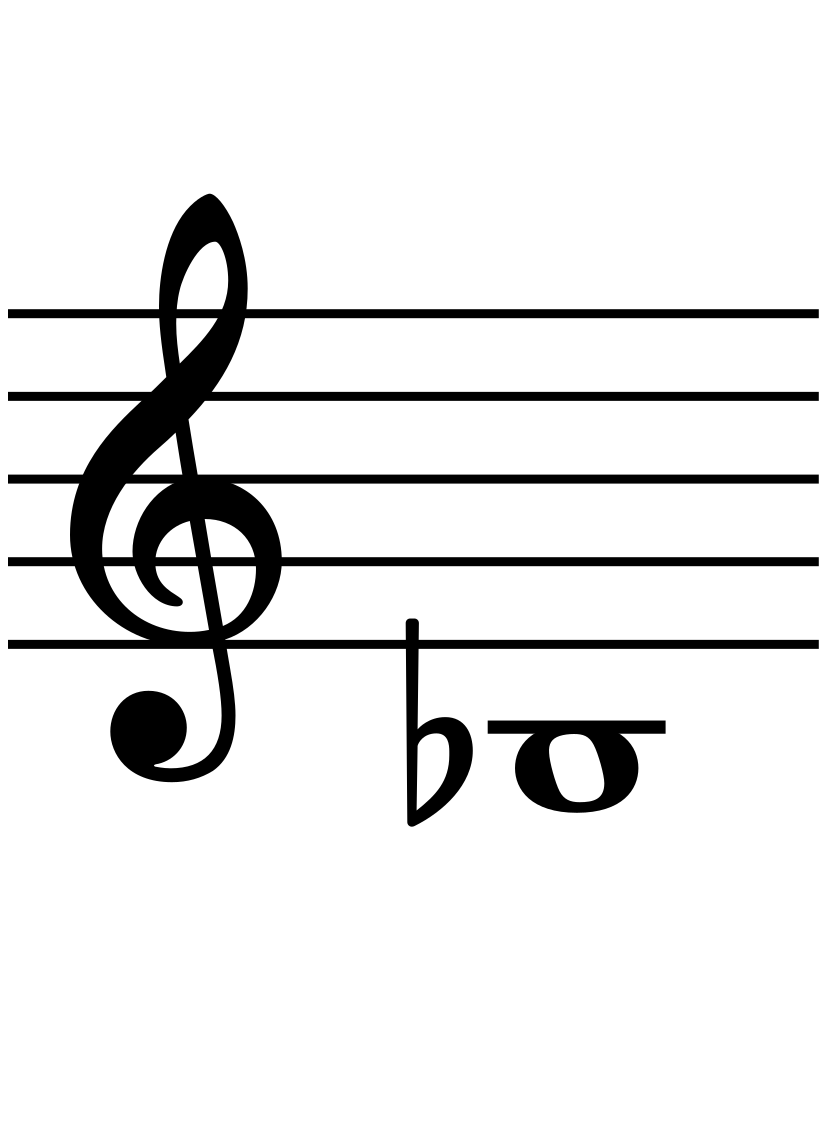
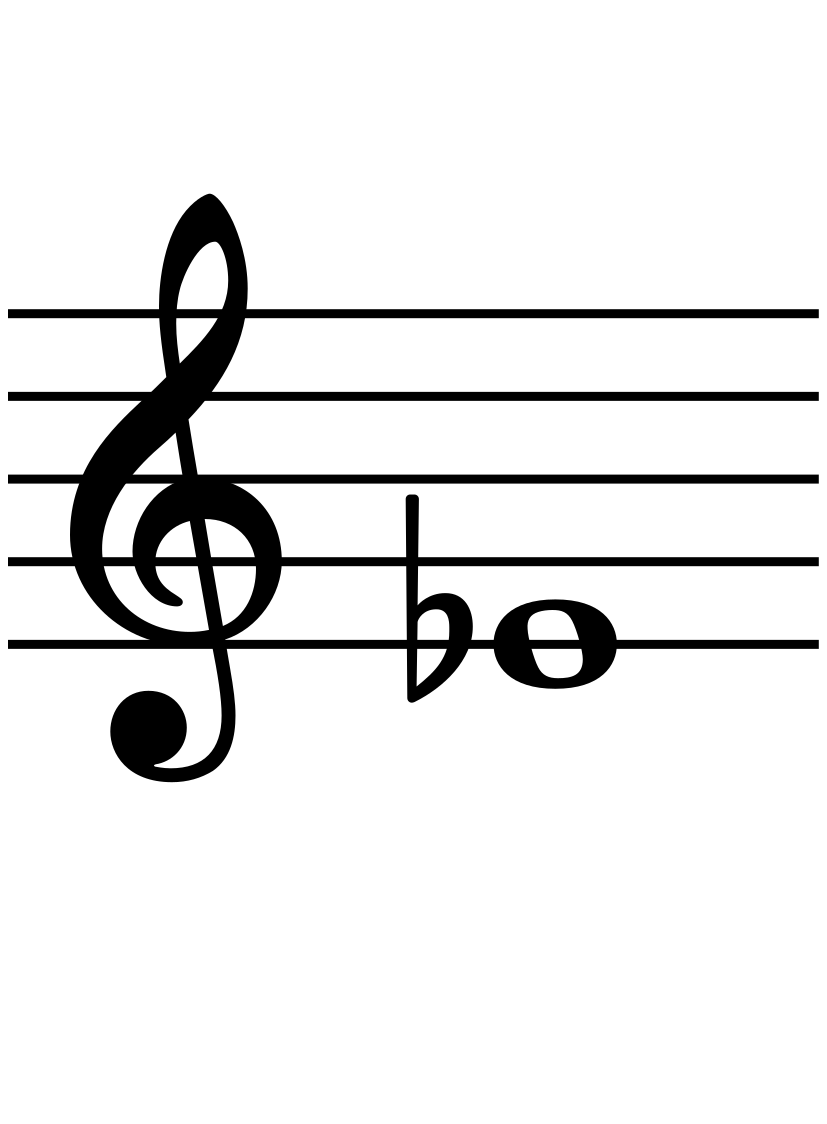
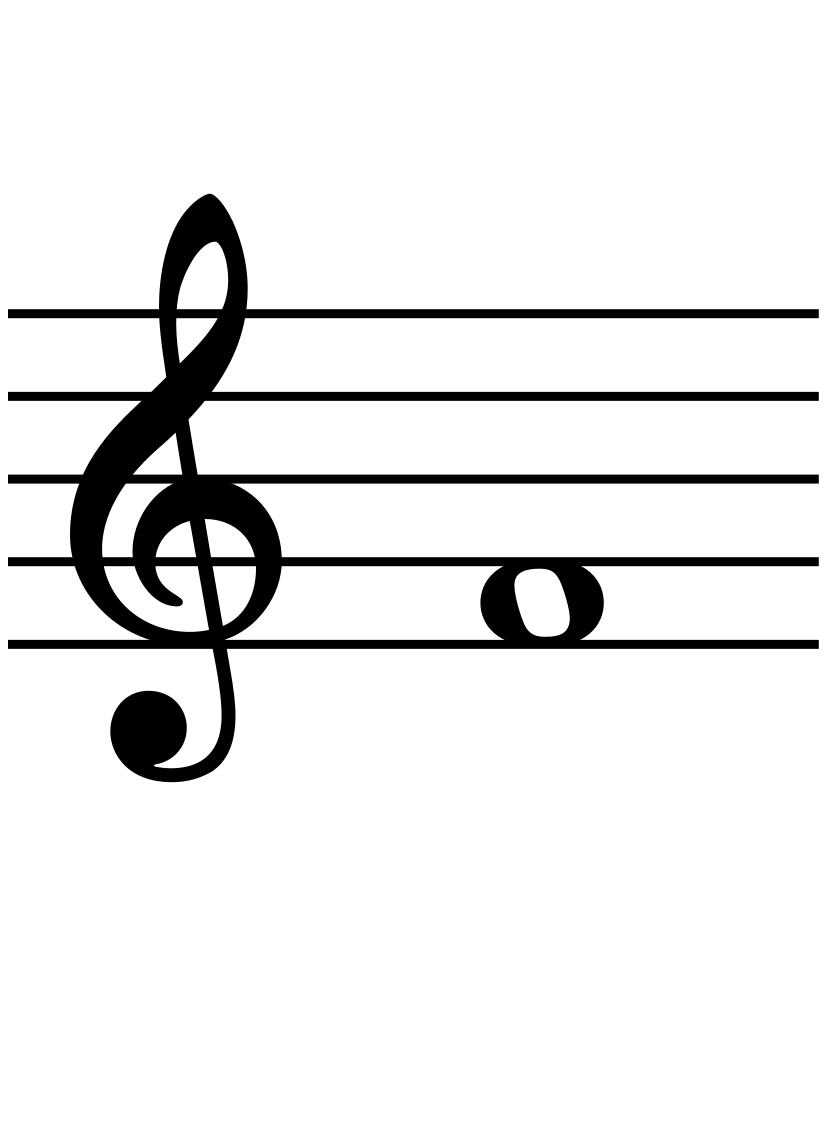
B♭2: 1st position
B♭2= A♯21 
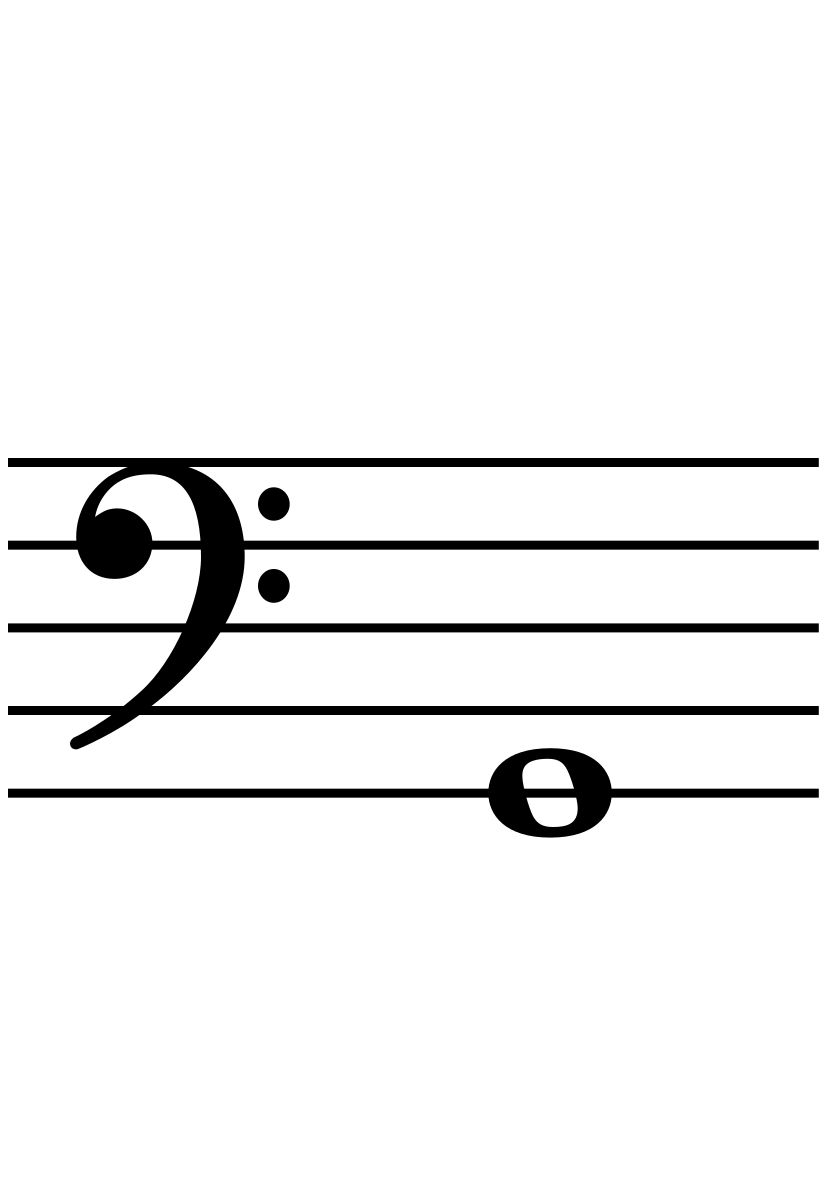
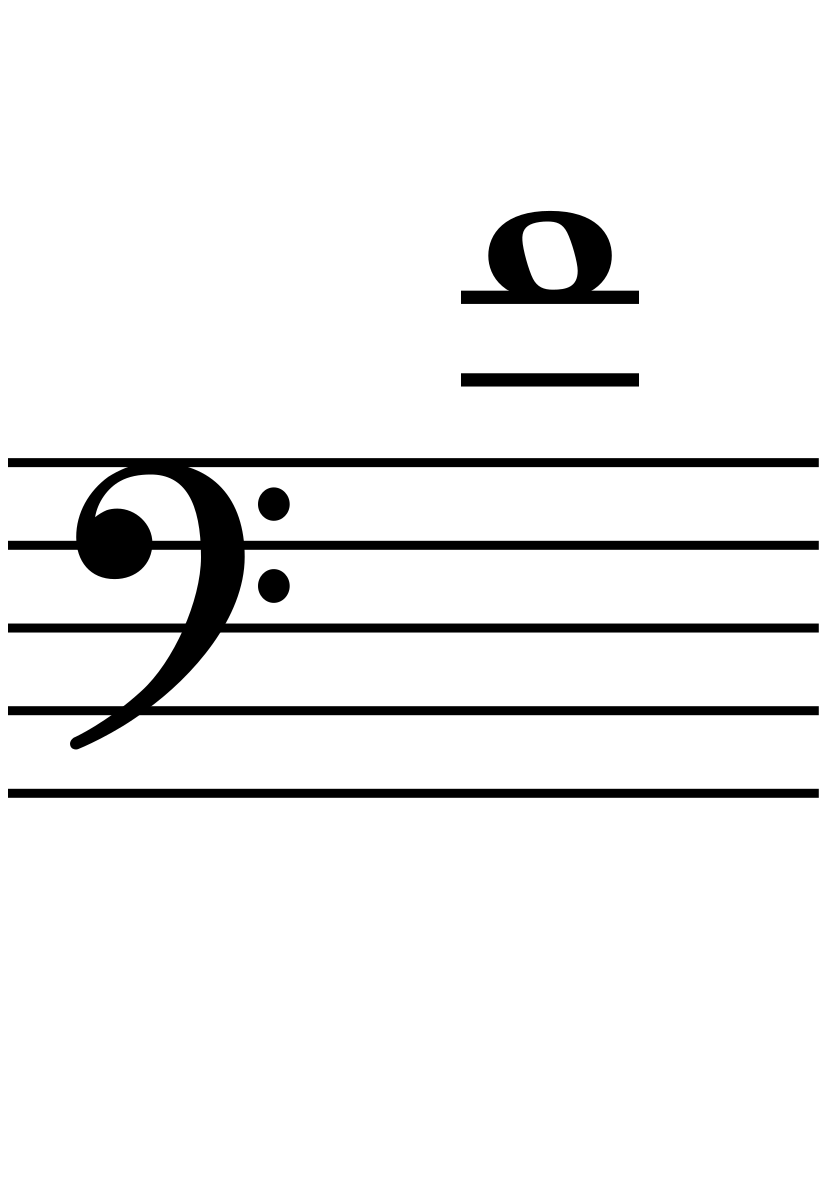
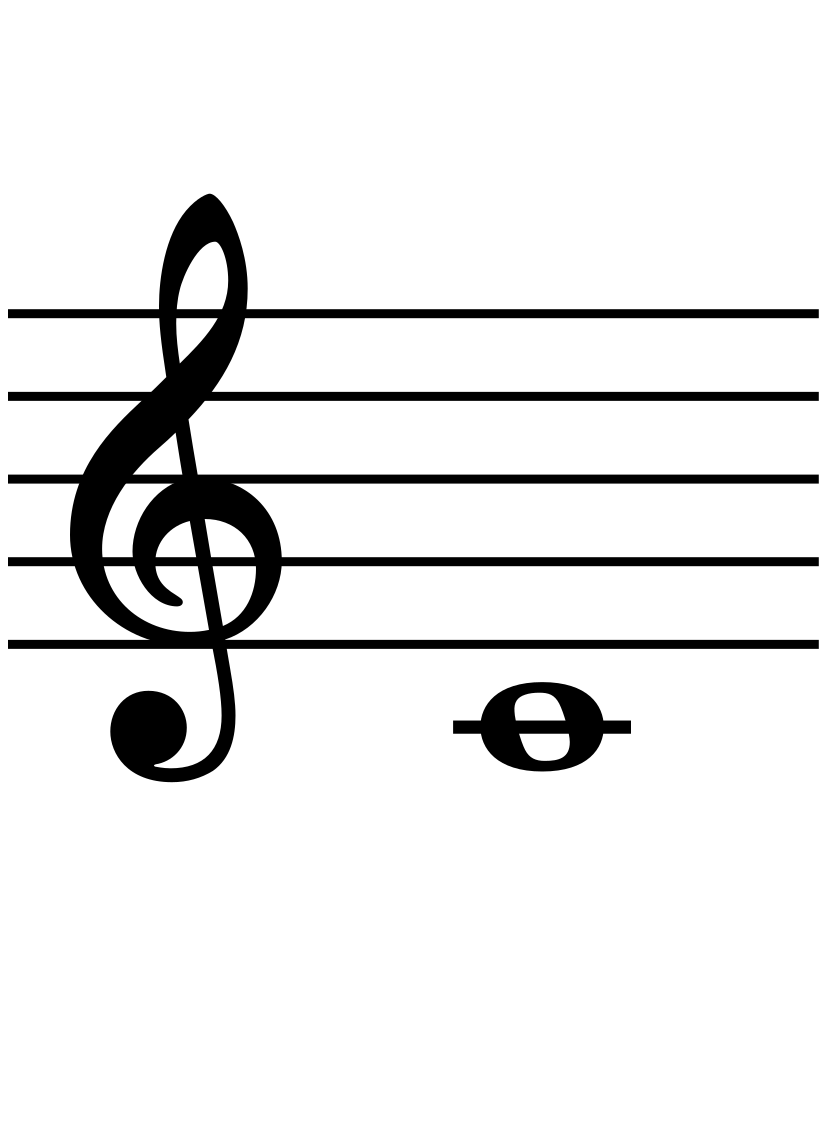
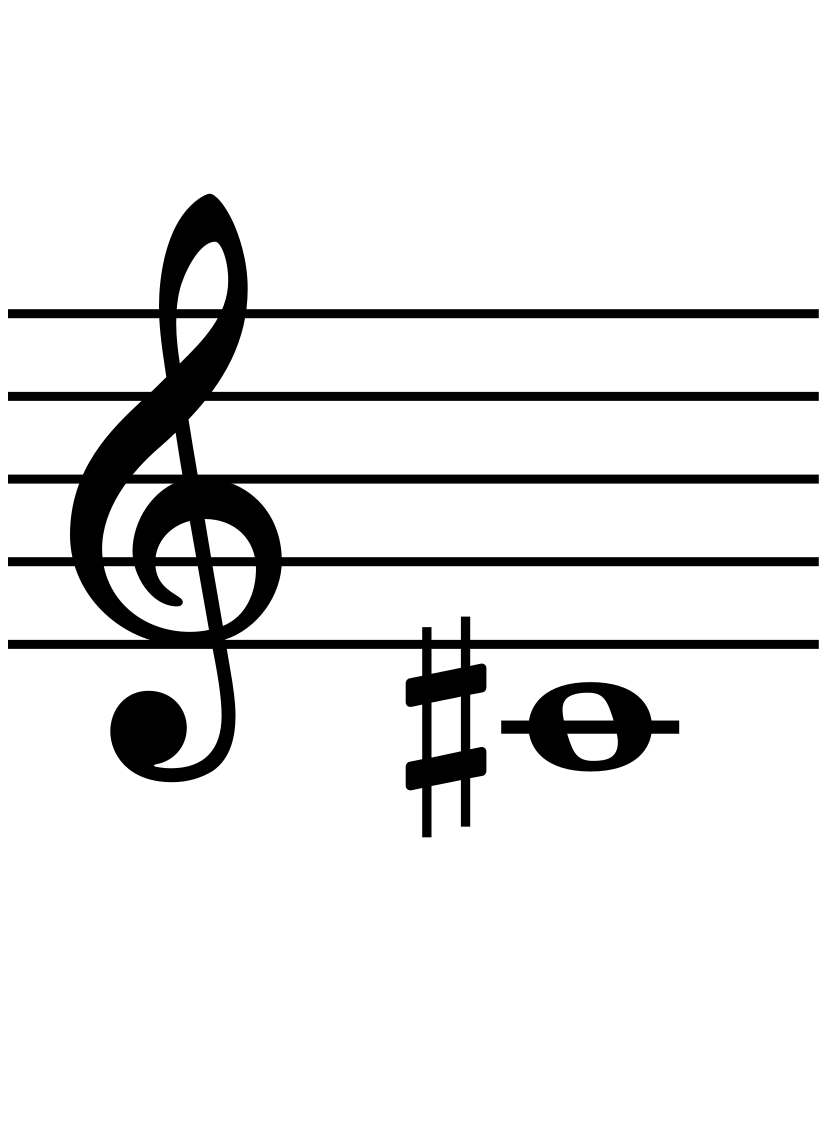
B2: 7th position
B27 
C3: 6th position
C36 
D♭3: 5th position
D♭3= C♯35 
D3: 4th position
D34 
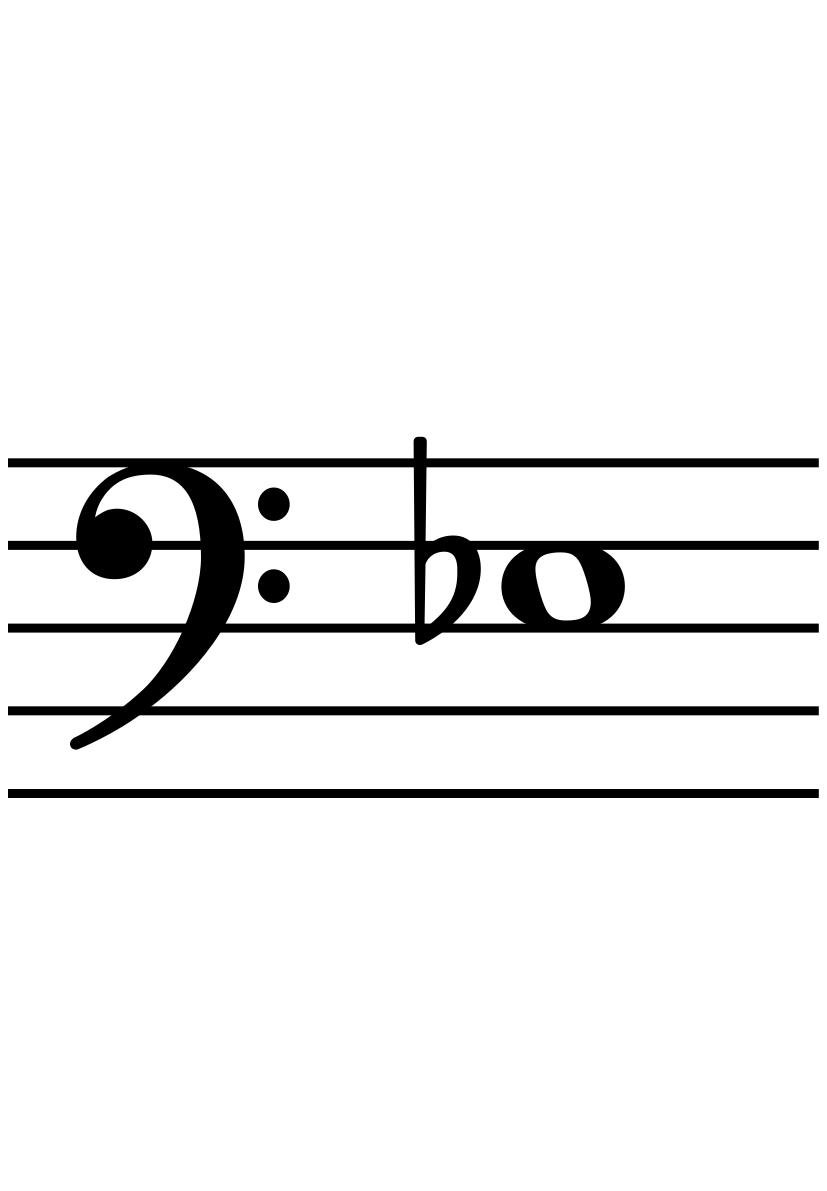
E♭3: 3rd position
E♭3= D♯33 
E3: 2nd position, or 7
E32or 7

Middle register F3 to F4
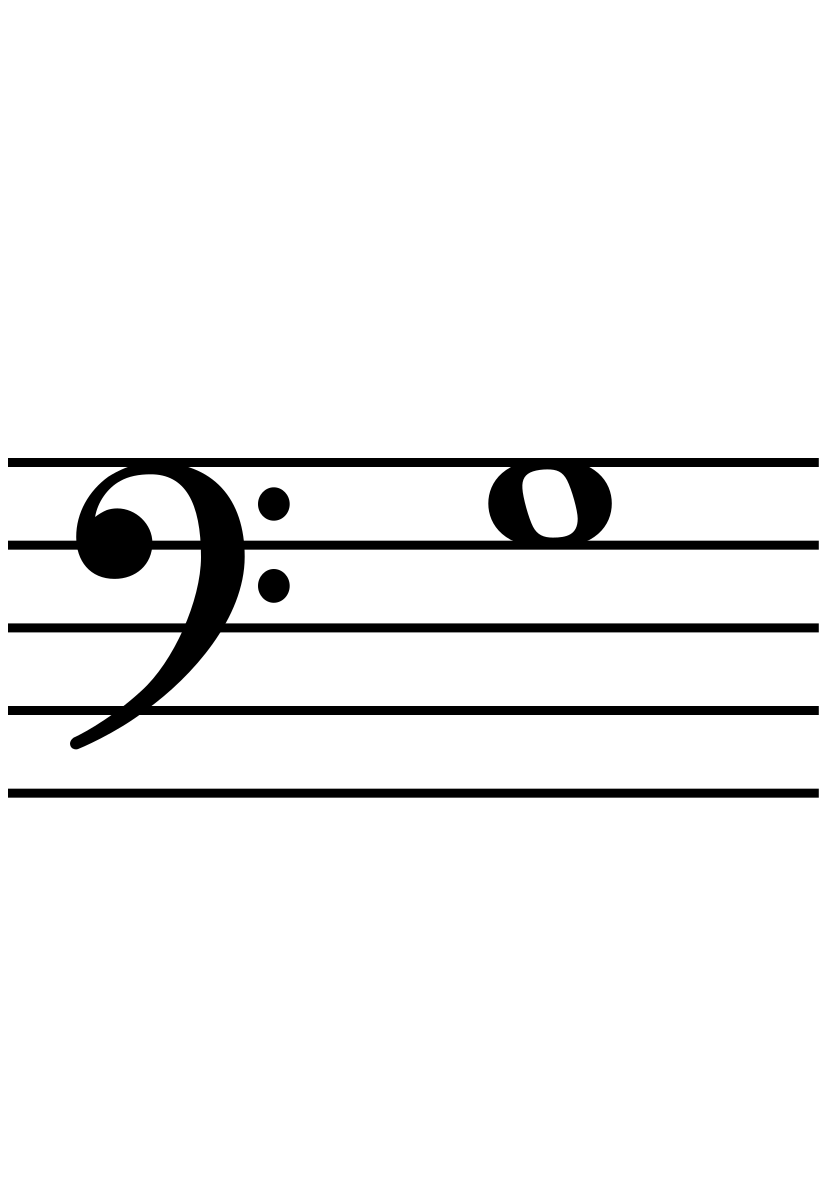
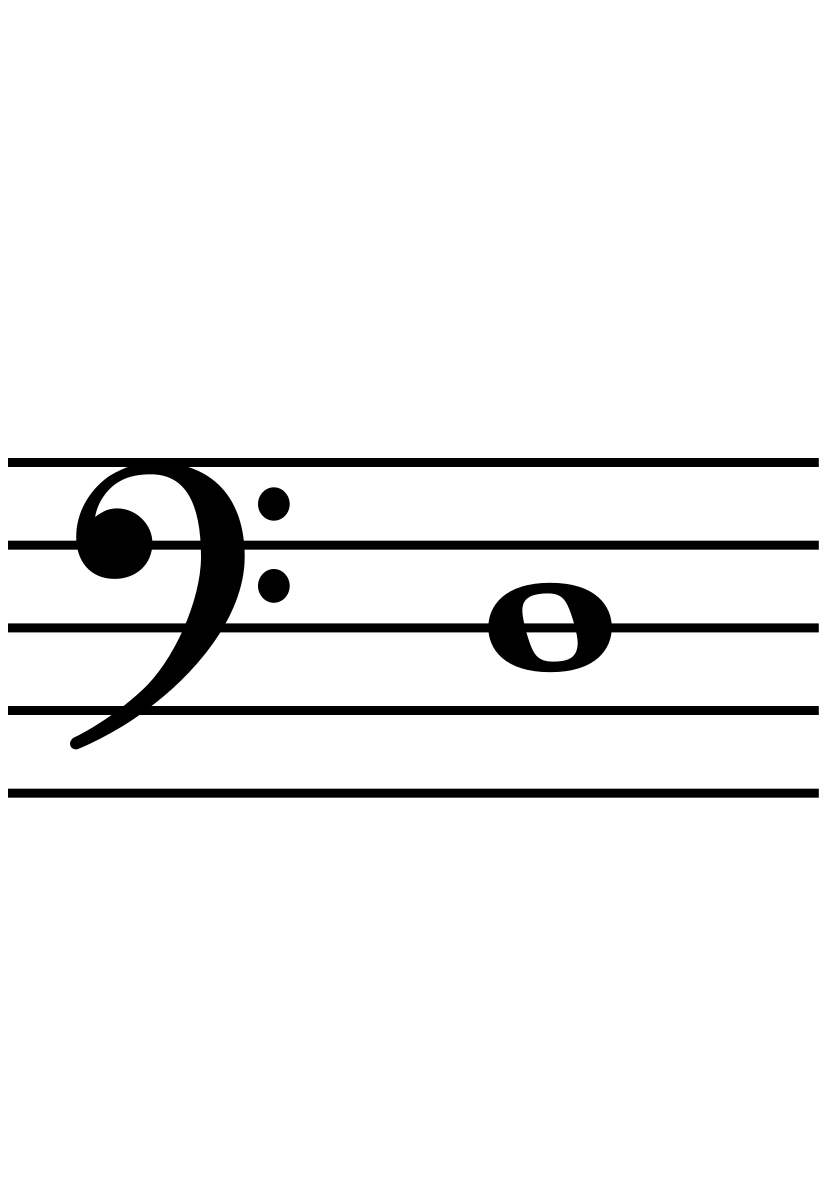
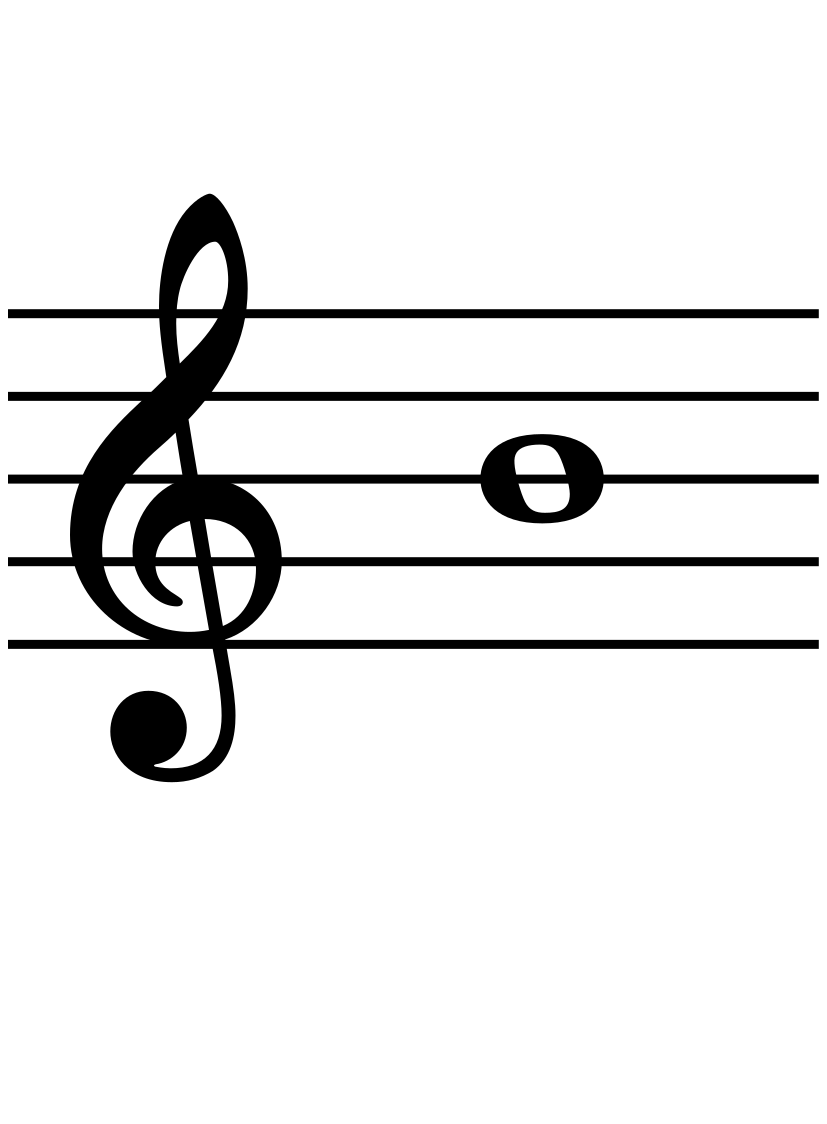
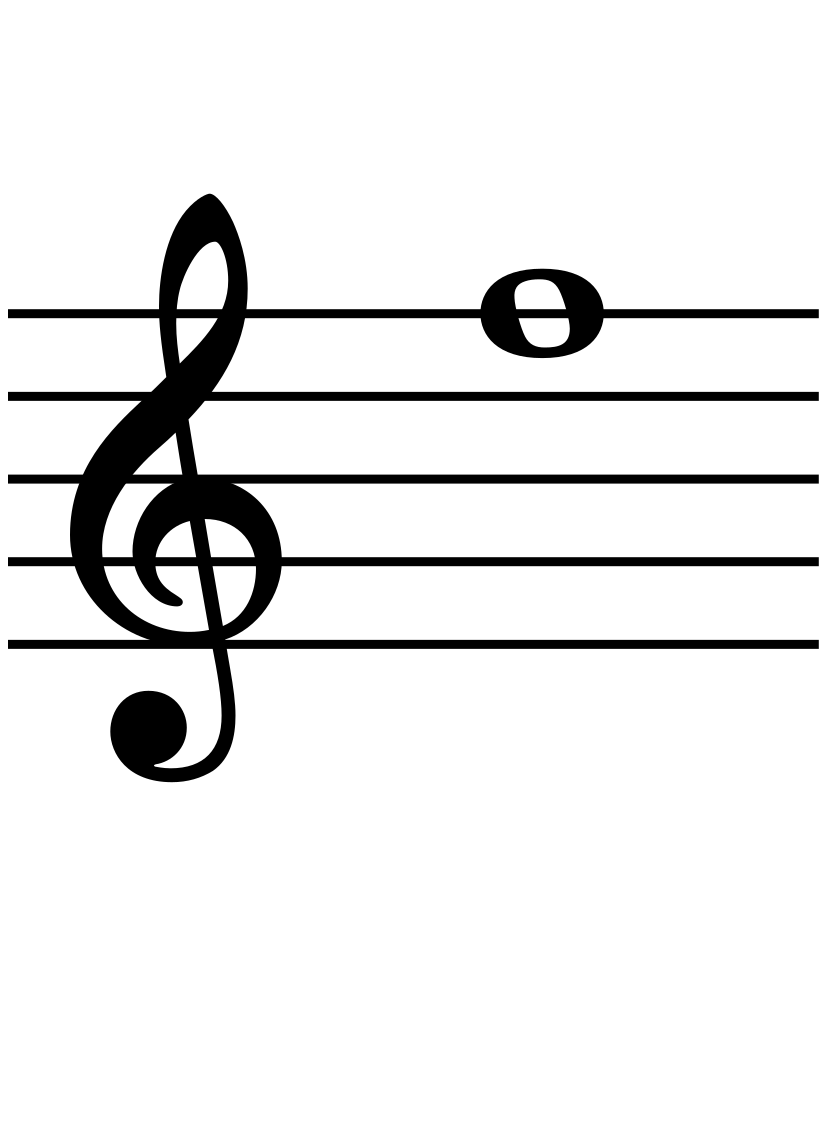
F3: 1st position, or 6
F31or 6
G♭3: 5th position
G♭3= F♯35 
G3: 4th position
G34 
A♭3: 3rd position, or 7
A♭3= G♯33or 7
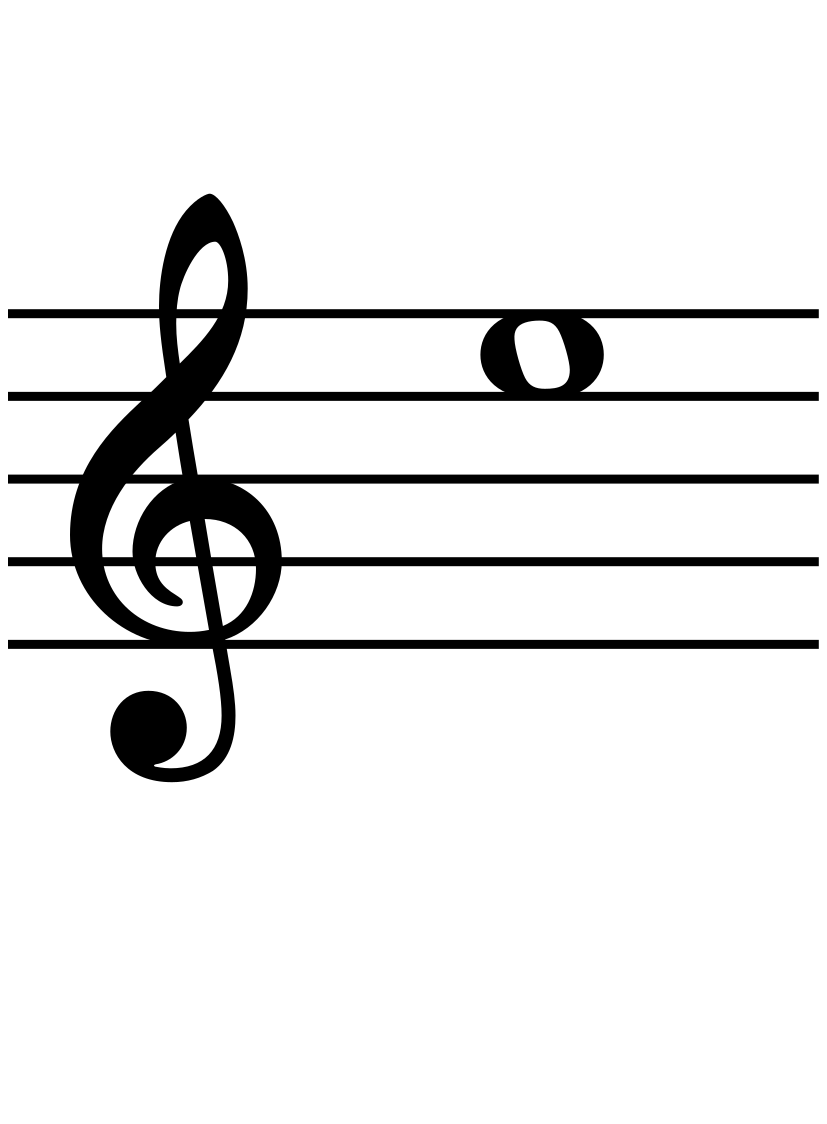
A3: 2nd position, or 6
A32or 6
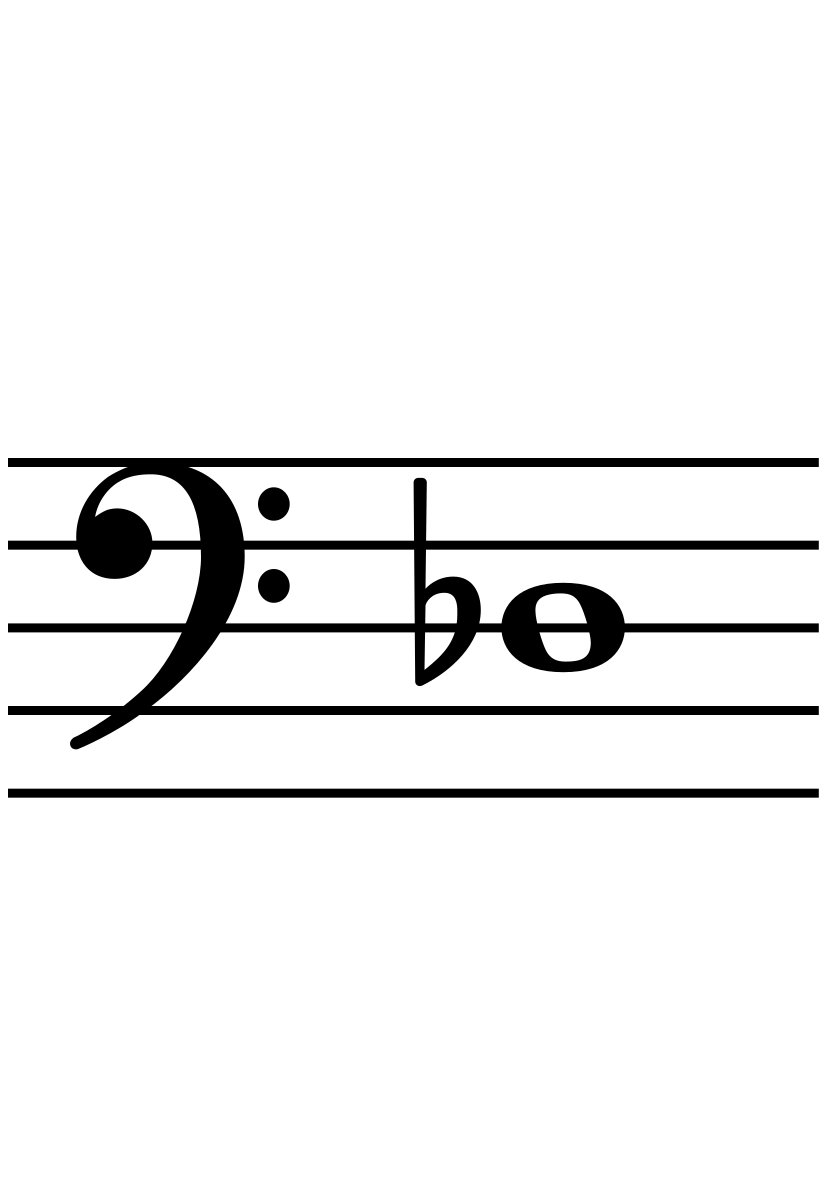
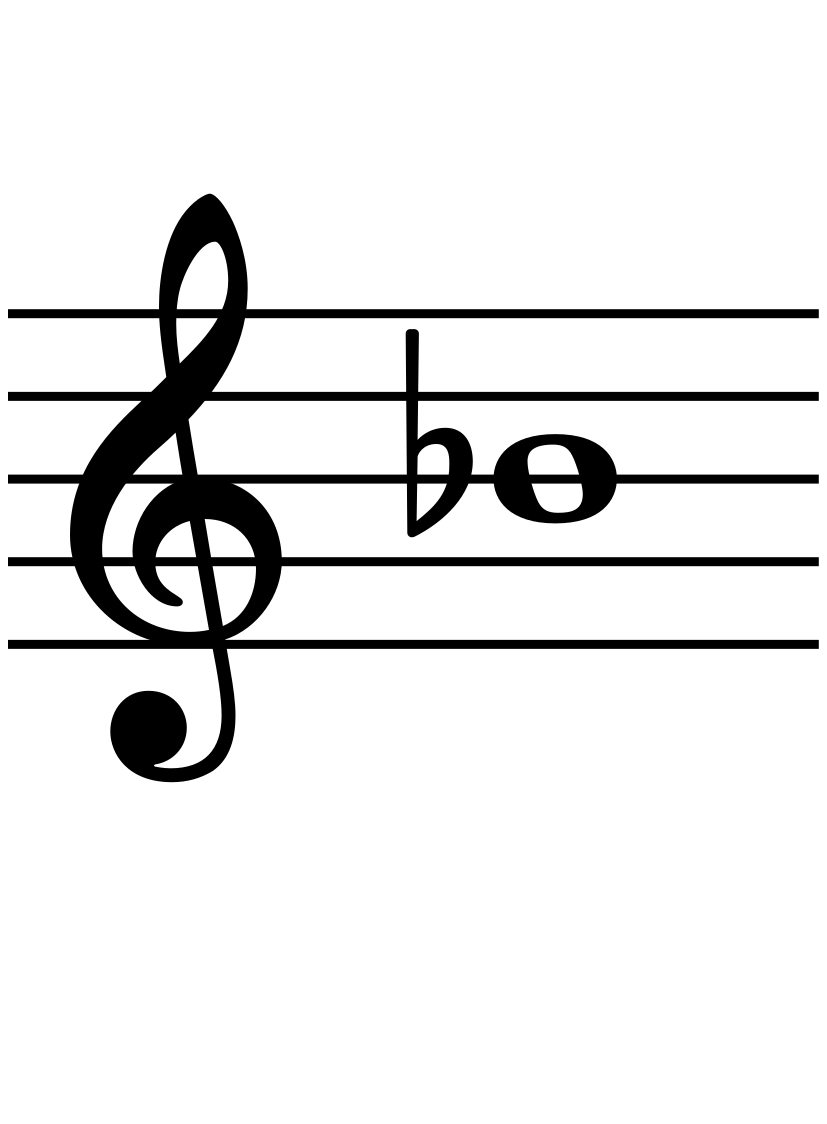
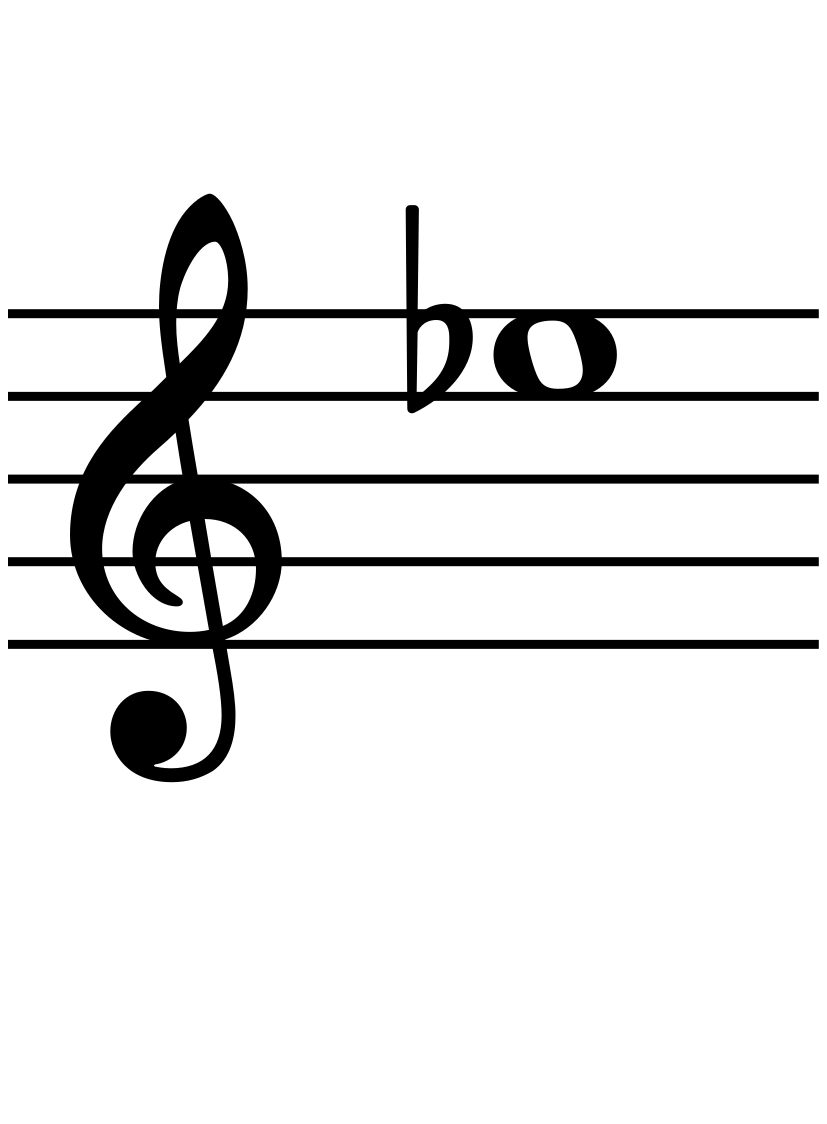
B♭3: 1st position, or 5
B♭3= A♯31or 5
B3: 4th position, or 7
B34or 7
C4: 3rd position, or 6
C43or 6
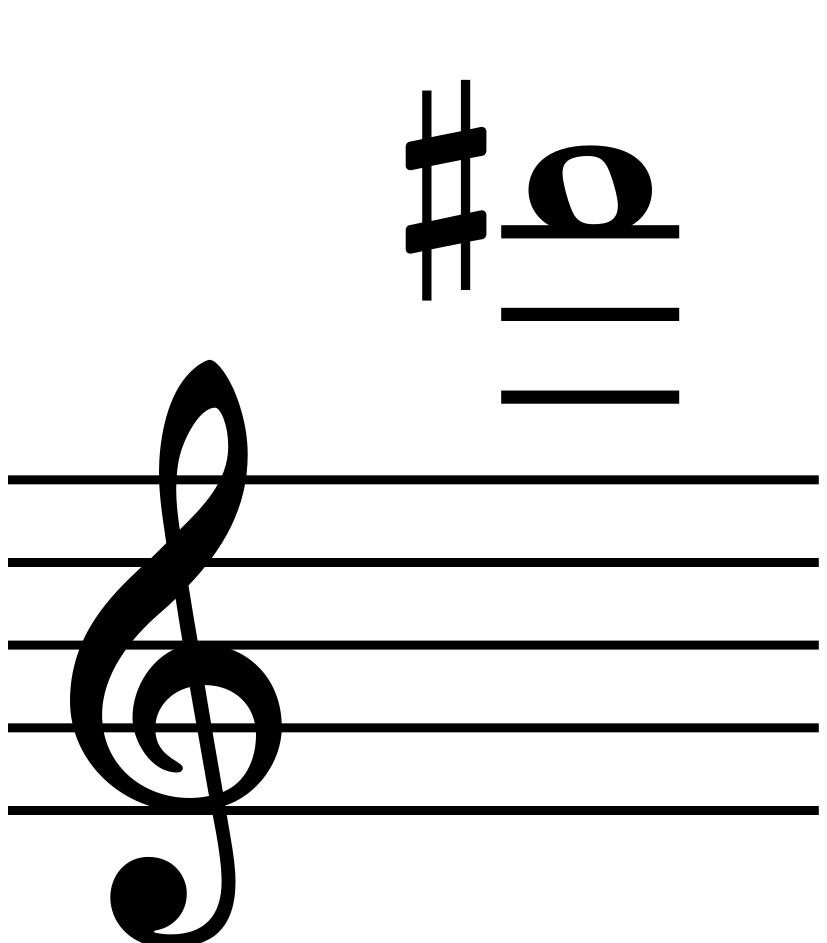
D♭4: 2nd position, or 5
D♭4= C♯42or 5
D4: 1st position, or 4
D41or 4
E♭4: 3rd position
E♭4= D♯43 
E4: 2nd position, or 7, short 5
E42or 7, short 5
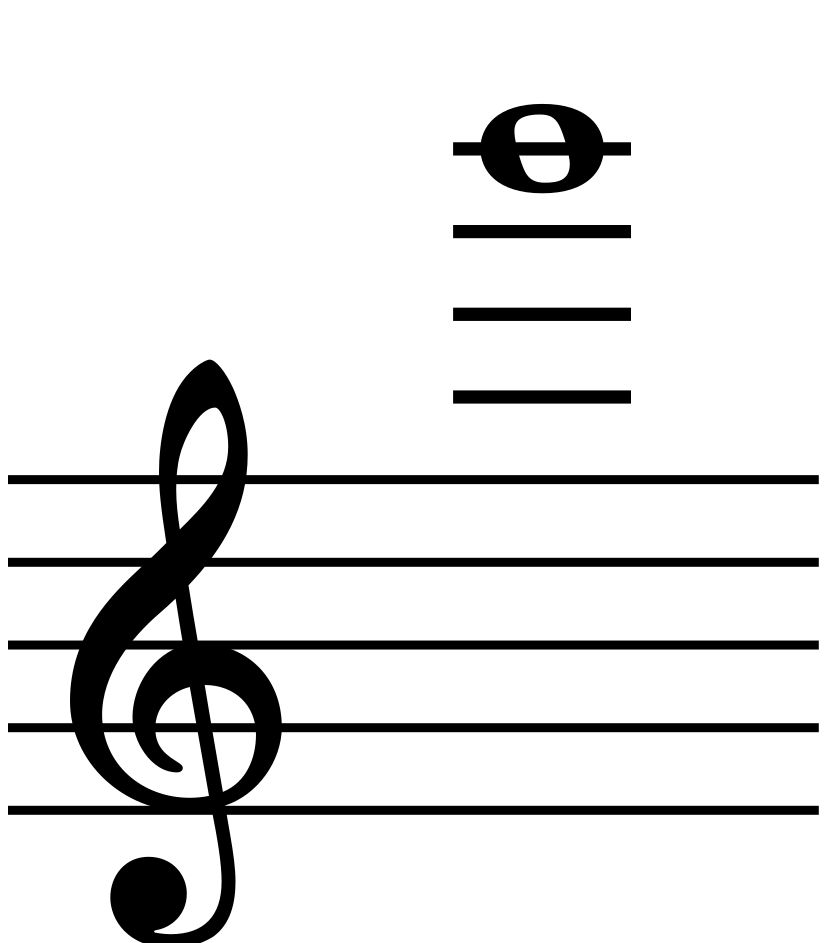
F4: 1st position, or 6, short 4
F41or 6, short 4

High register G♭4 to B♭4
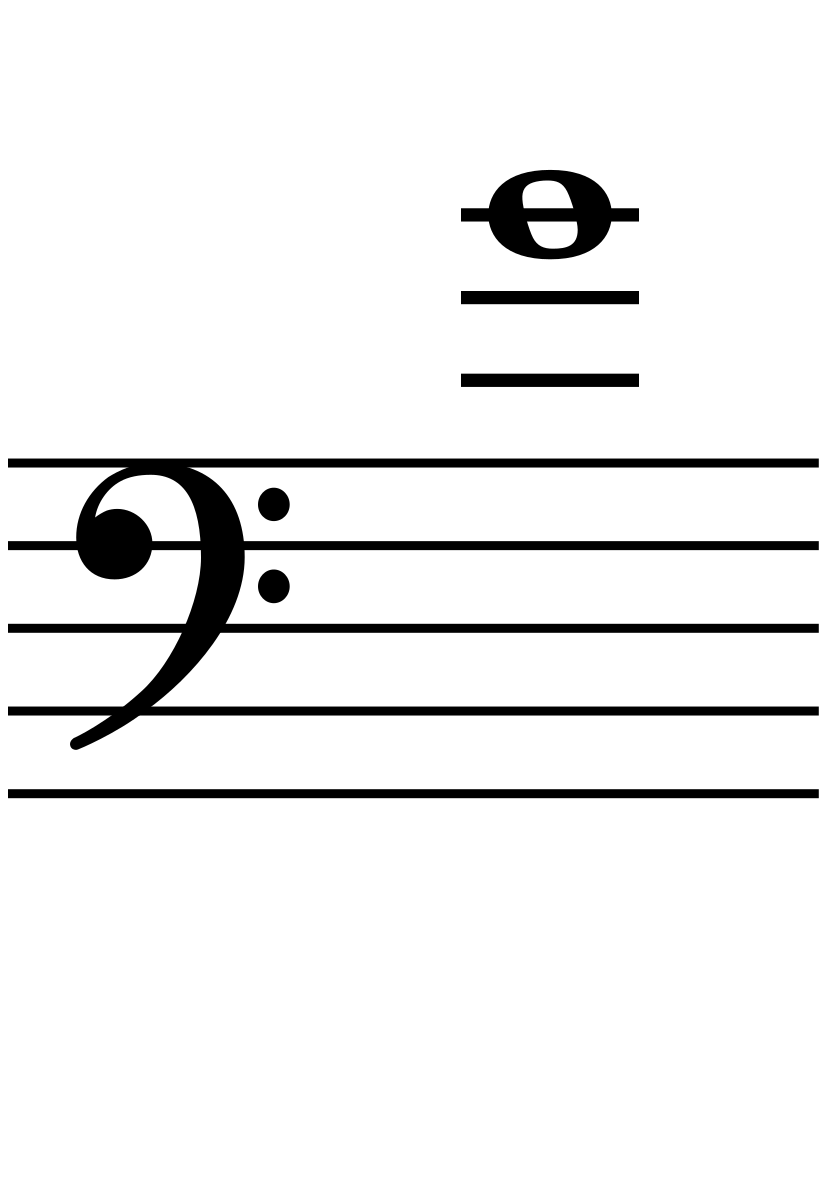
G♭4: 5th position
G♭4= F♯45 
G4: 4th position
G44 
A♭4: 3rd position
A♭4= G♯43 
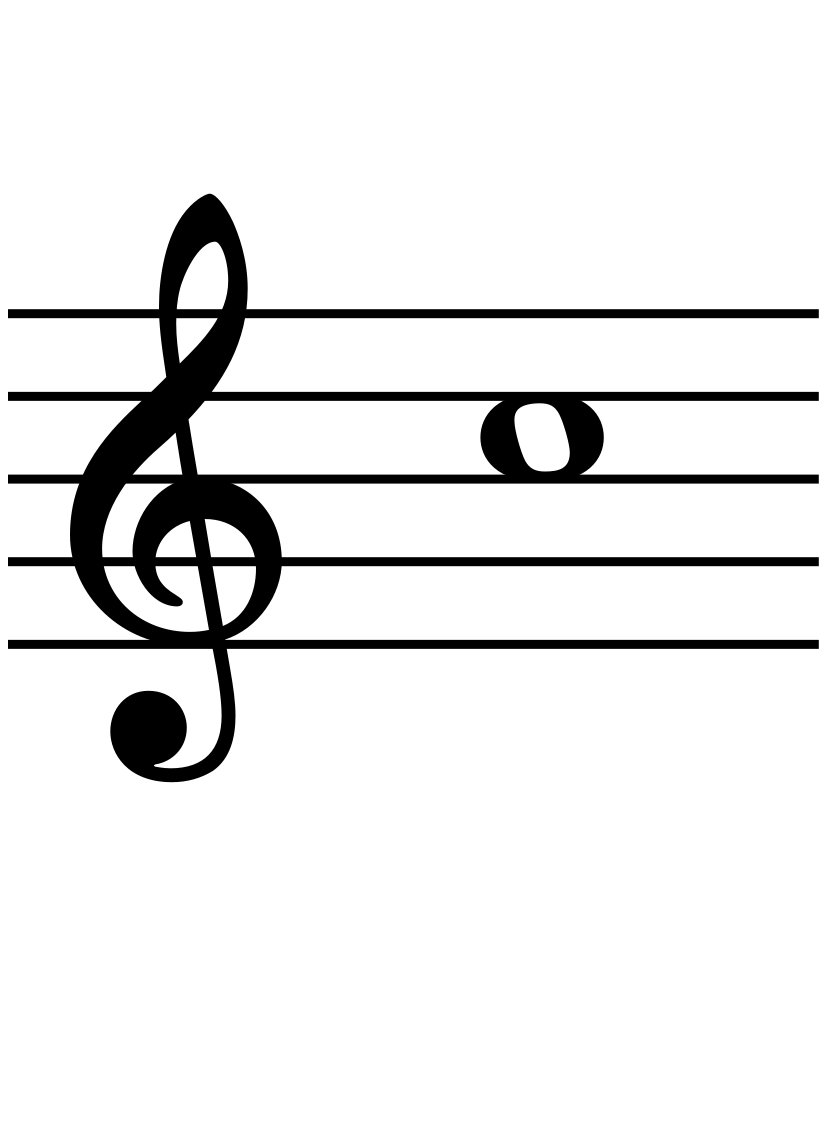
A4: 2nd position
A42 
B♭4: 1st position
B♭4= A♯41 

Upper register (later on) B4 to F5
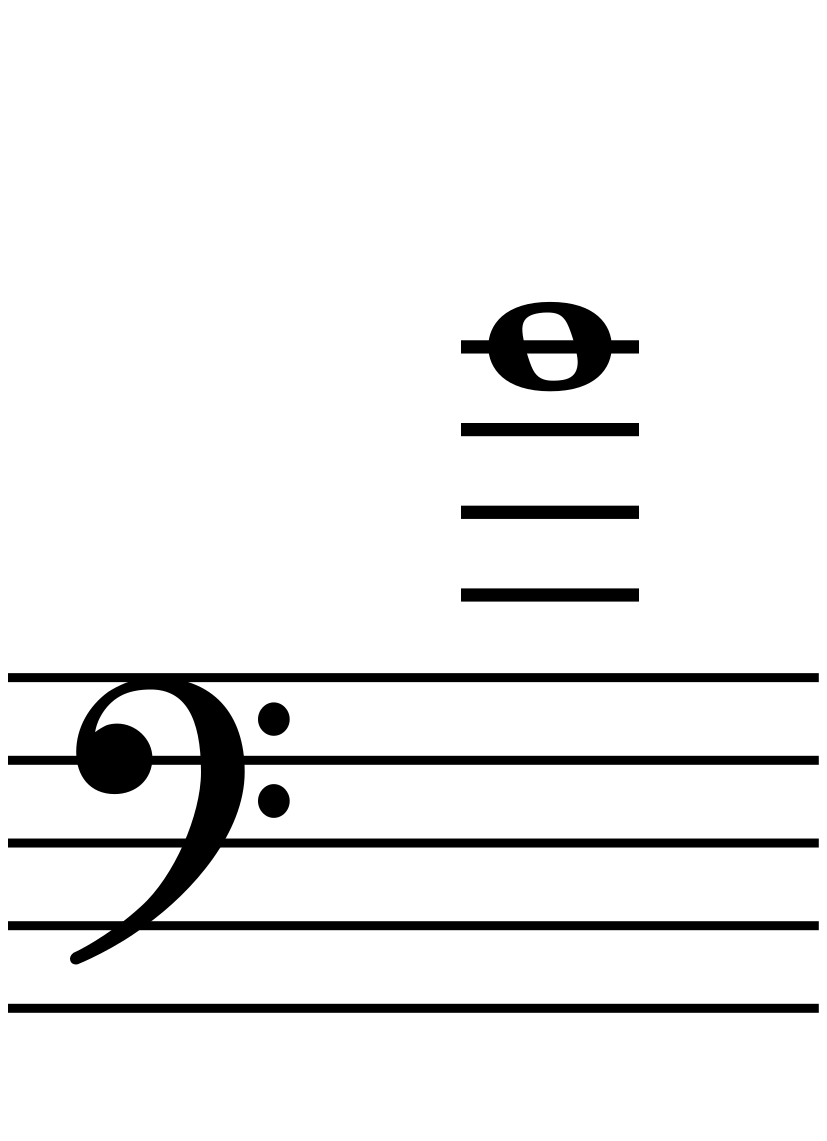
B4: 2nd position, or 4, 7
B42or 4, 7
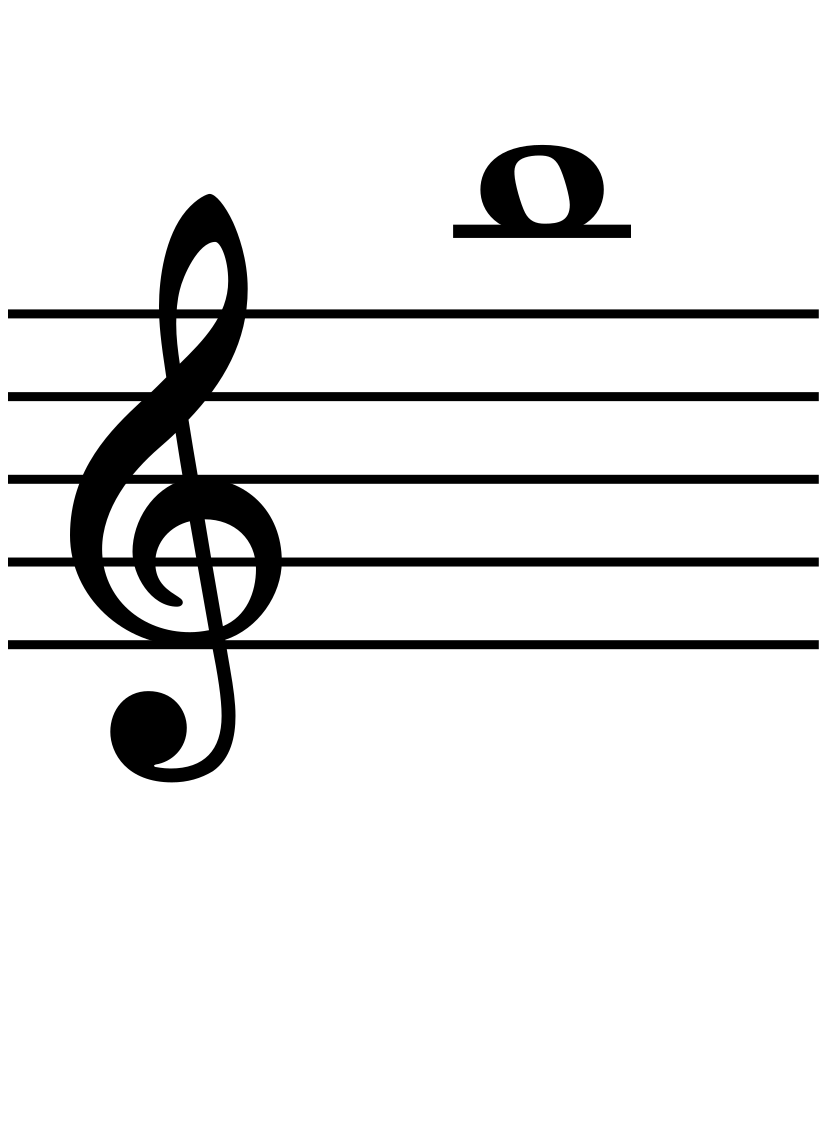
C5: 1st position, or 3, 6
C51or 3, 6
D♭5: 2nd position, or 5
D♭5= C♯52or 5
D5: 1st position, or 4
D51or 4
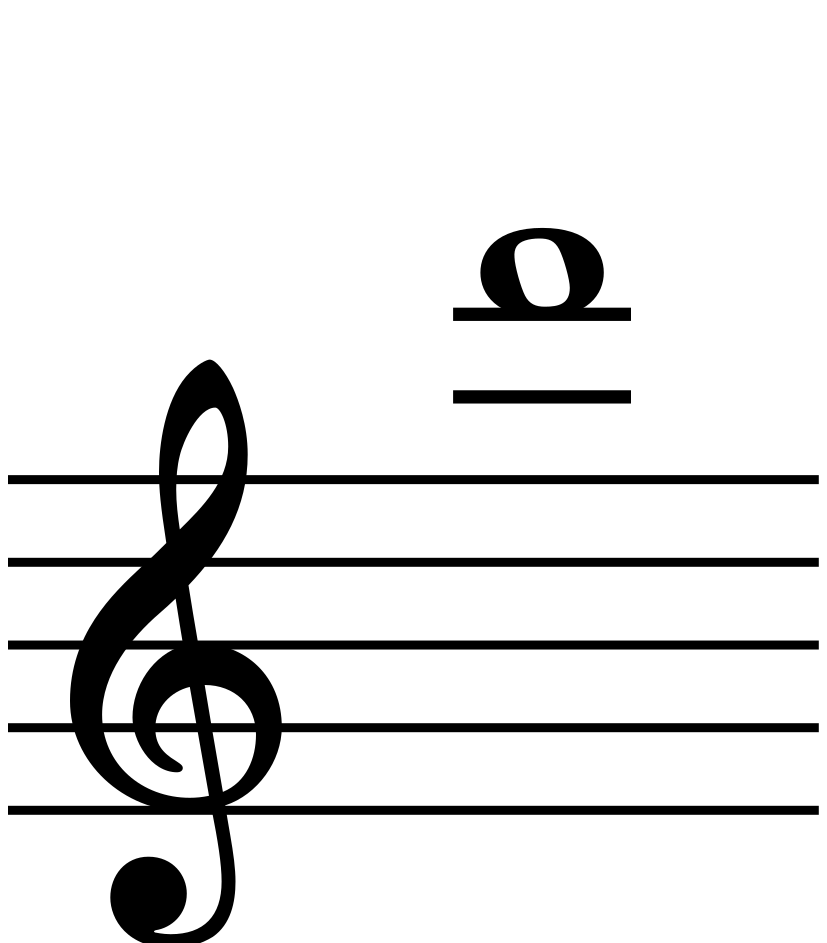
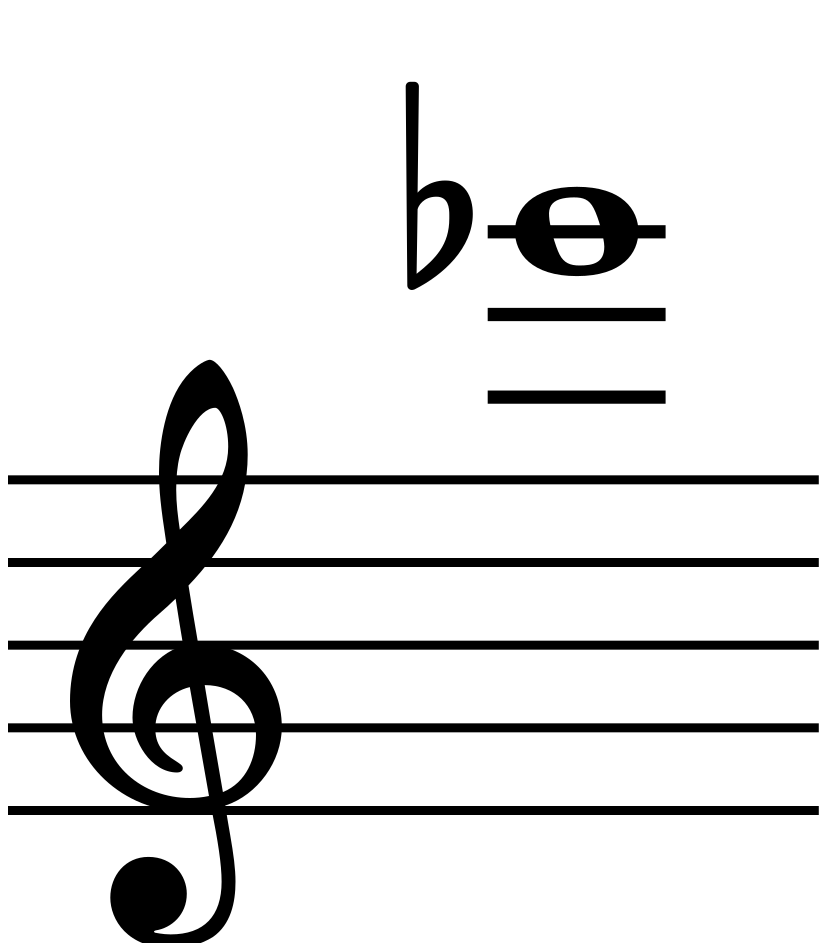
E♭5: 3rd position
E♭5= D♯53 
E5: 2nd position
E52 
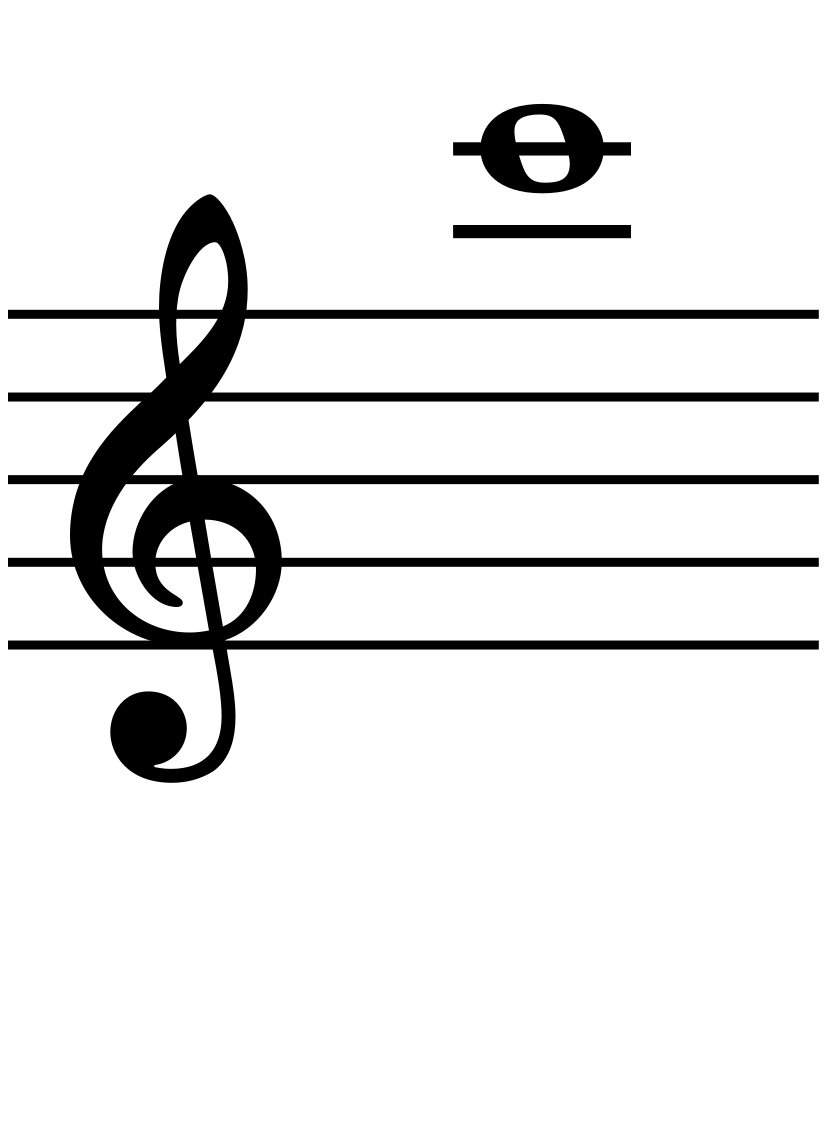
F5: 1st position
F51 

Treble clef chart (B♭) for brass band

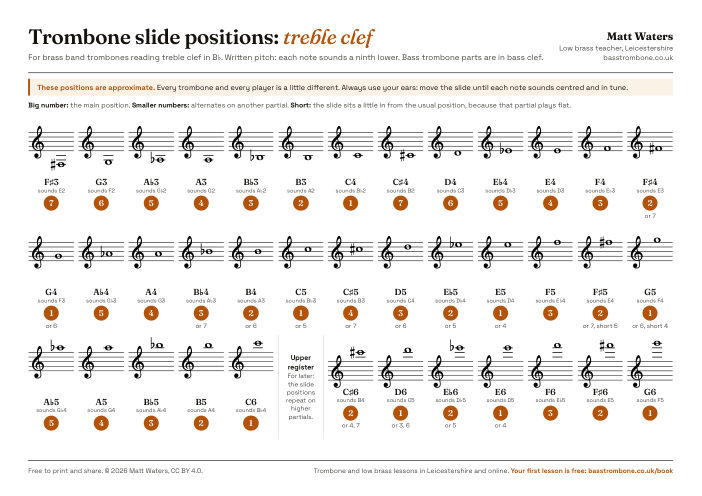
Tenor trombones in brass bands read treble clef in B♭. The music is written a ninth higher than it sounds, so written middle C (C4) is the trombone's B♭2 in 1st position. The positions are exactly the same as the bass clef chart; only the names change. Bass trombone parts in brass bands are in bass clef, so use the bass clef chart for those.

Low register F♯3 to F♯4
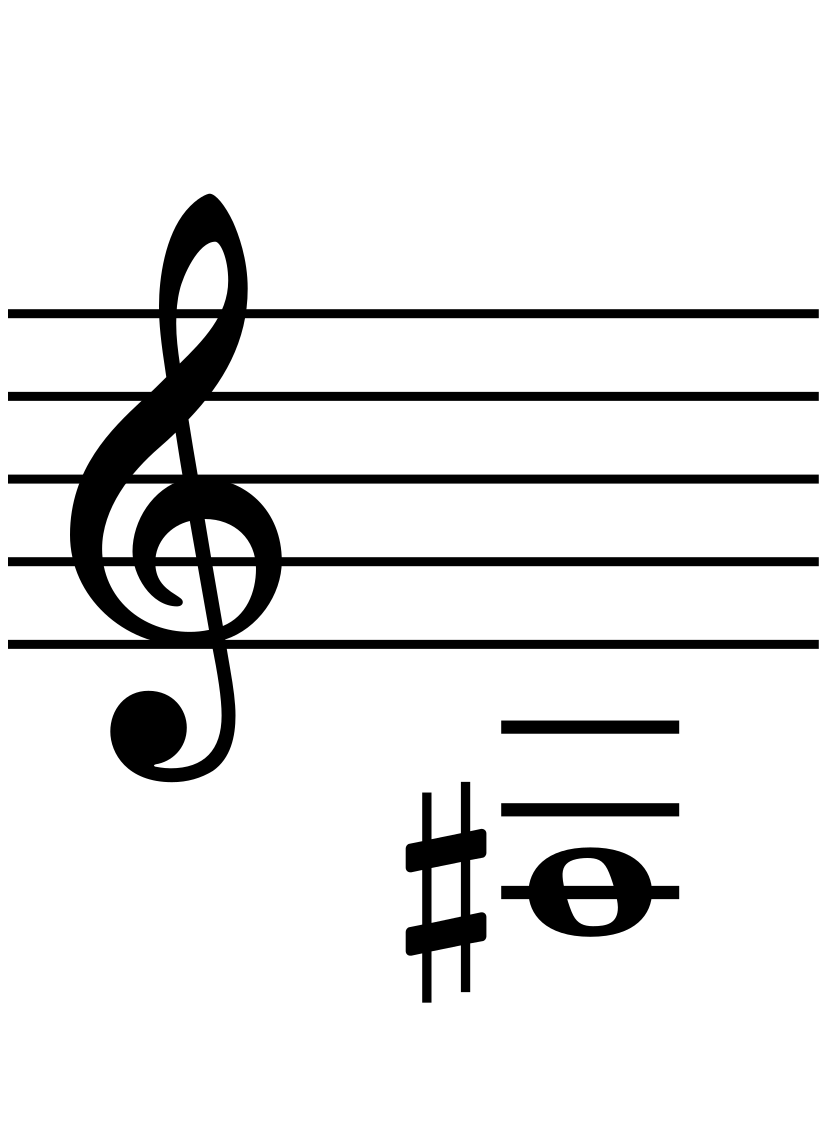
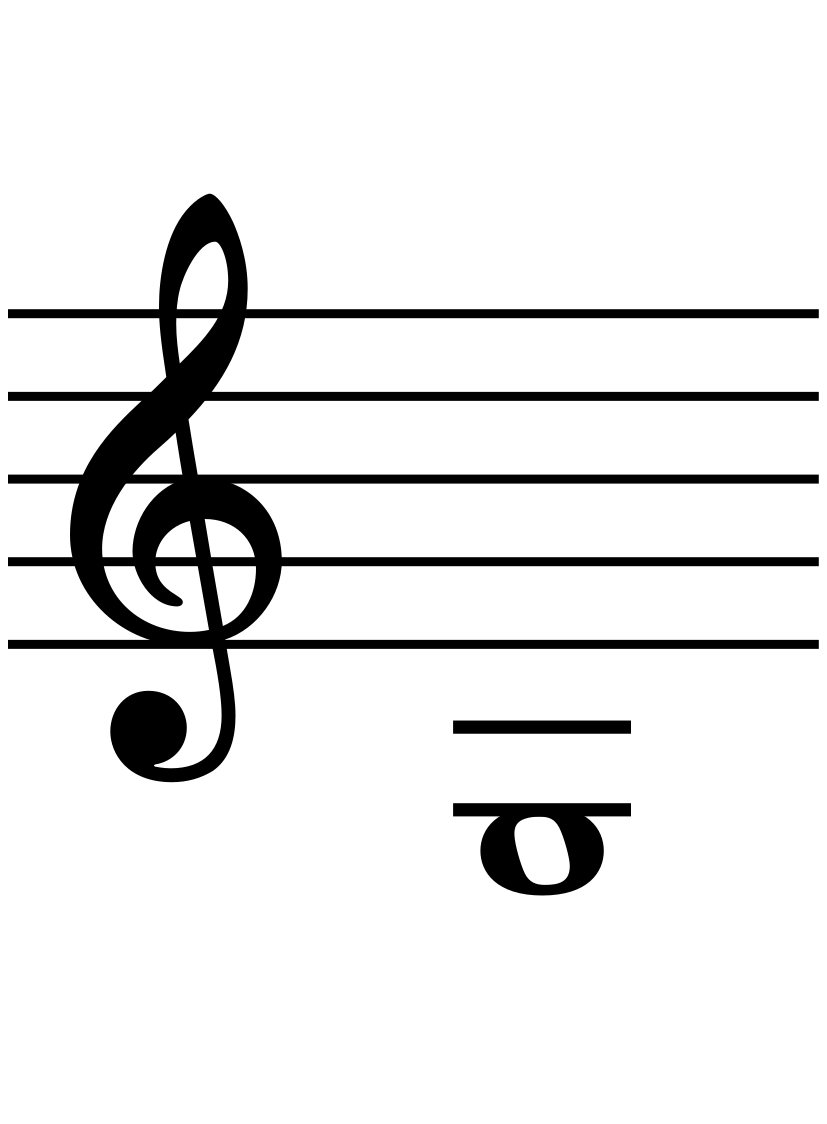
written F♯3, sounds E2: 7th position
F♯3sounds E27 
written G3, sounds F2: 6th position
G3sounds F26 
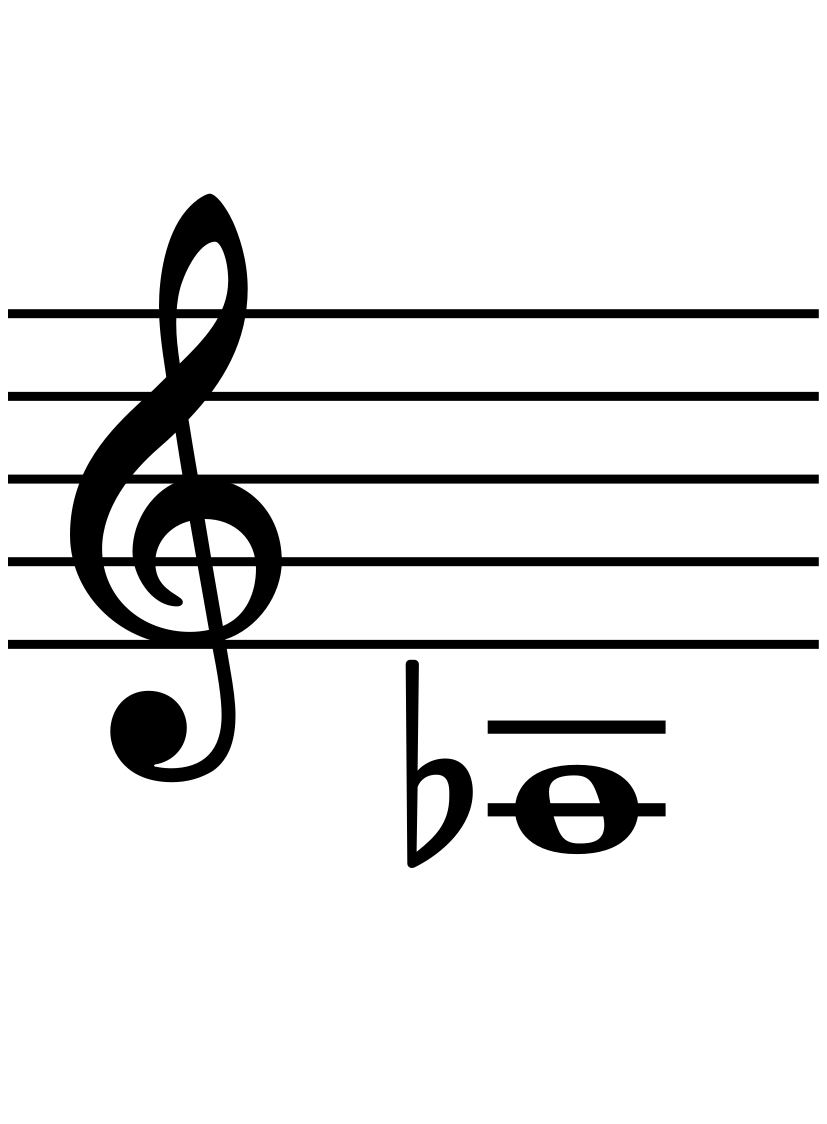
written A♭3, sounds G♭2: 5th position
A♭3sounds G♭25 
written A3, sounds G2: 4th position
A3sounds G24 
written B♭3, sounds A♭2: 3rd position
B♭3sounds A♭23 
written B3, sounds A2: 2nd position
B3sounds A22 
written C4, sounds B♭2: 1st position
C4sounds B♭21 
written C♯4, sounds B2: 7th position
C♯4sounds B27 
written D4, sounds C3: 6th position
D4sounds C36 
written E♭4, sounds D♭3: 5th position
E♭4sounds D♭35 
written E4, sounds D3: 4th position
E4sounds D34 
written F4, sounds E♭3: 3rd position
F4sounds E♭33 
written F♯4, sounds E3: 2nd position, or 7
F♯4sounds E32or 7

Middle register G4 to G5
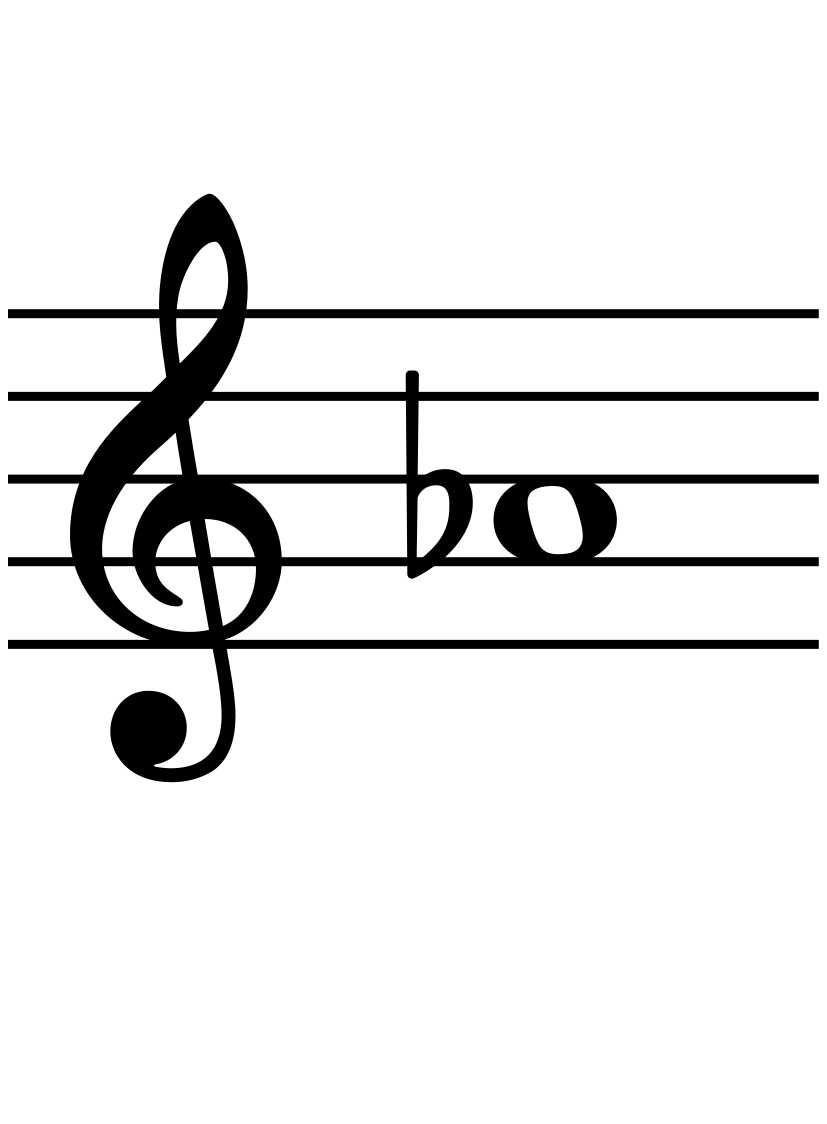
written G4, sounds F3: 1st position, or 6
G4sounds F31or 6
written A♭4, sounds G♭3: 5th position
A♭4sounds G♭35 
written A4, sounds G3: 4th position
A4sounds G34 
written B♭4, sounds A♭3: 3rd position, or 7
B♭4sounds A♭33or 7
written B4, sounds A3: 2nd position, or 6
B4sounds A32or 6
written C5, sounds B♭3: 1st position, or 5
C5sounds B♭31or 5
written C♯5, sounds B3: 4th position, or 7
C♯5sounds B34or 7
written D5, sounds C4: 3rd position, or 6
D5sounds C43or 6
written E♭5, sounds D♭4: 2nd position, or 5
E♭5sounds D♭42or 5
written E5, sounds D4: 1st position, or 4
E5sounds D41or 4
written F5, sounds E♭4: 3rd position
F5sounds E♭43 
written F♯5, sounds E4: 2nd position, or 7, short 5
F♯5sounds E42or 7, short 5
written G5, sounds F4: 1st position, or 6, short 4
G5sounds F41or 6, short 4

High register A♭5 to C6
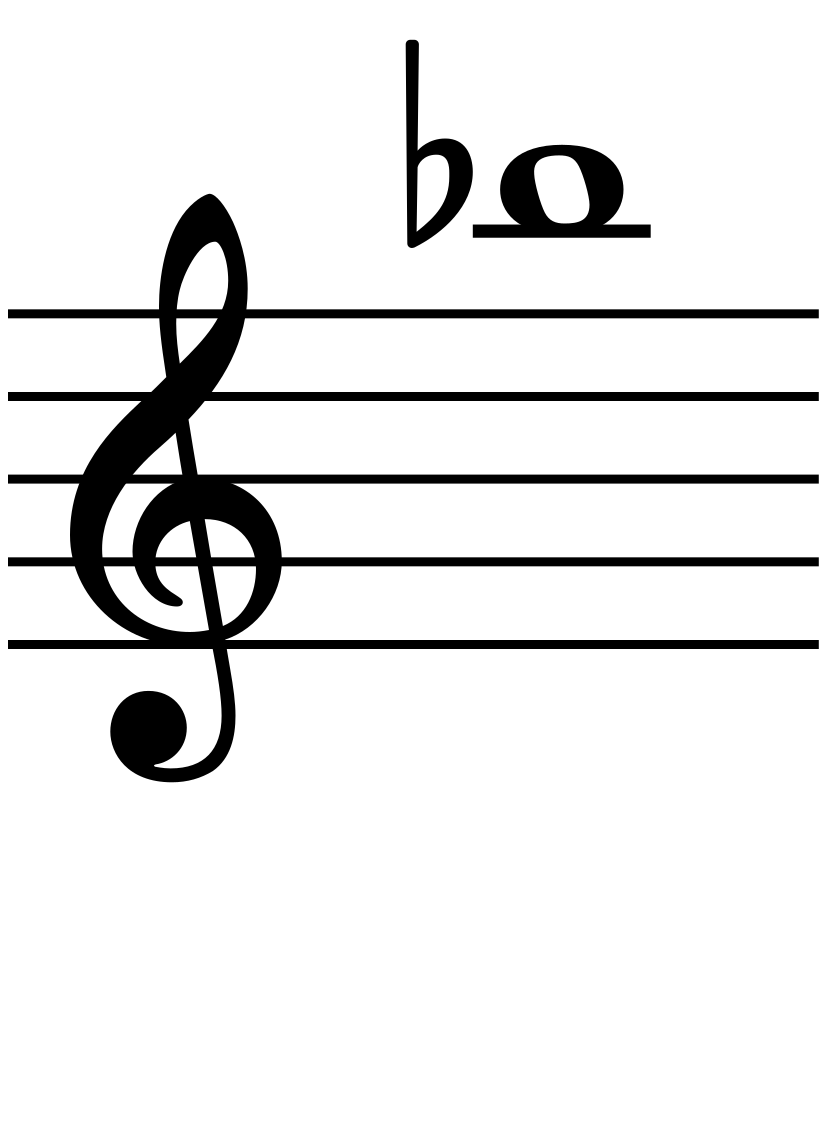
written A♭5, sounds G♭4: 5th position
A♭5sounds G♭45 
written A5, sounds G4: 4th position
A5sounds G44 
written B♭5, sounds A♭4: 3rd position
B♭5sounds A♭43 
written B5, sounds A4: 2nd position
B5sounds A42 
written C6, sounds B♭4: 1st position
C6sounds B♭41 

Upper register (later on) C♯6 to G6
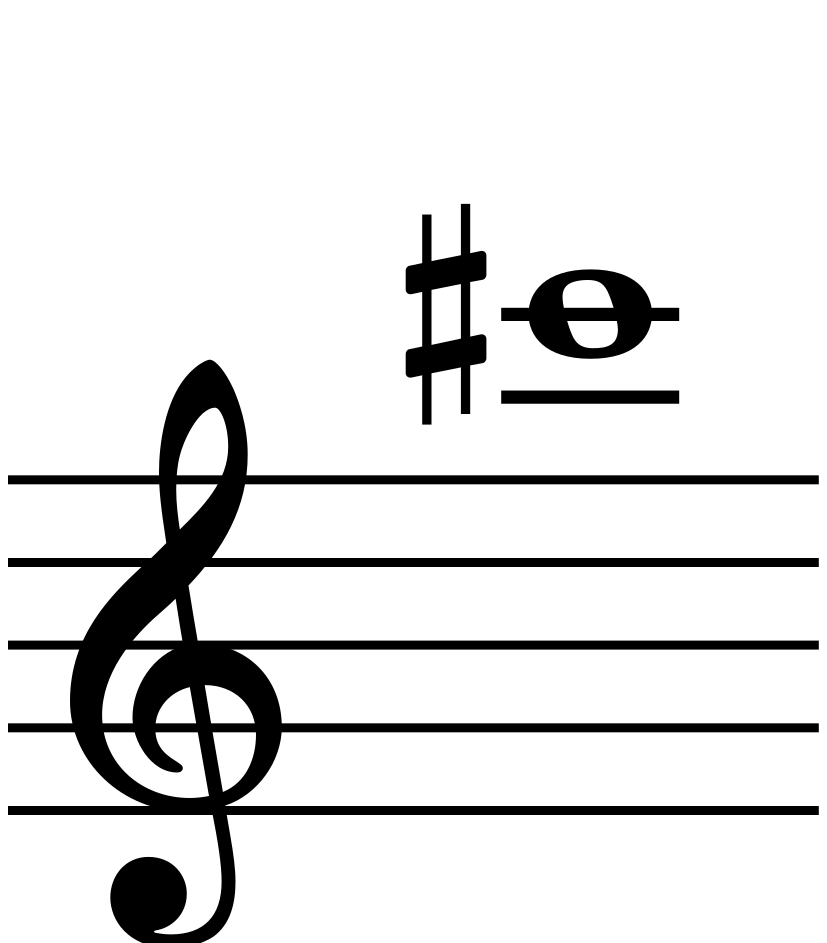
written C♯6, sounds B4: 2nd position, or 4, 7
C♯6sounds B42or 4, 7
written D6, sounds C5: 1st position, or 3, 6
D6sounds C51or 3, 6
written E♭6, sounds D♭5: 2nd position, or 5
E♭6sounds D♭52or 5
written E6, sounds D5: 1st position, or 4
E6sounds D51or 4
written F6, sounds E♭5: 3rd position
F6sounds E♭53 
written F♯6, sounds E5: 2nd position
F♯6sounds E52 
written G6, sounds F5: 1st position
G6sounds F51 

F attachment (trigger) chart

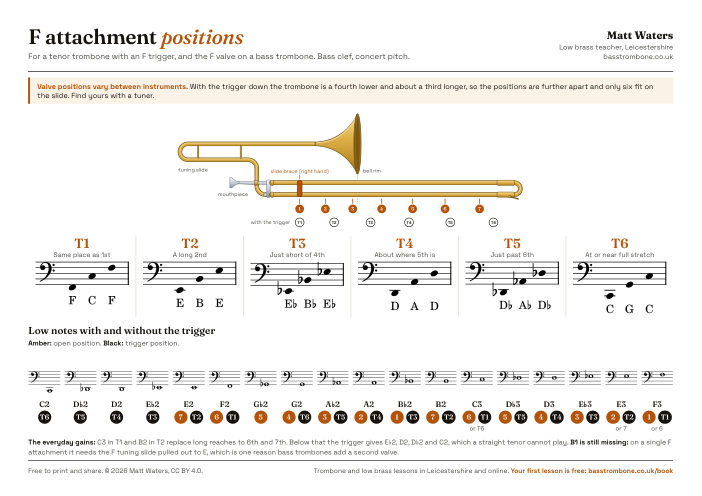
The trigger adds tubing that lowers the trombone a fourth, from B♭ to F. That makes the instrument about a third longer, so the positions on the F side are further apart and only six fit on the slide. T1 is the same place as 1st position; every later trigger position sits further out than the open position with the same number. The same chart works for the F valve on a bass trombone. Valve positions vary between instruments, so find yours with a tuner.

slide brace (right hand) bell rim tuning slide mouthpiece 1234567 T1T2T3T4T5T6with the trigger

T1

Same place as 1st

Trigger position 1: F2, C3, F3

F2 · C3 · F3

T2

A long 2nd

Trigger position 2: E2, B2, E3

E2 · B2 · E3

T3

Just short of 4th

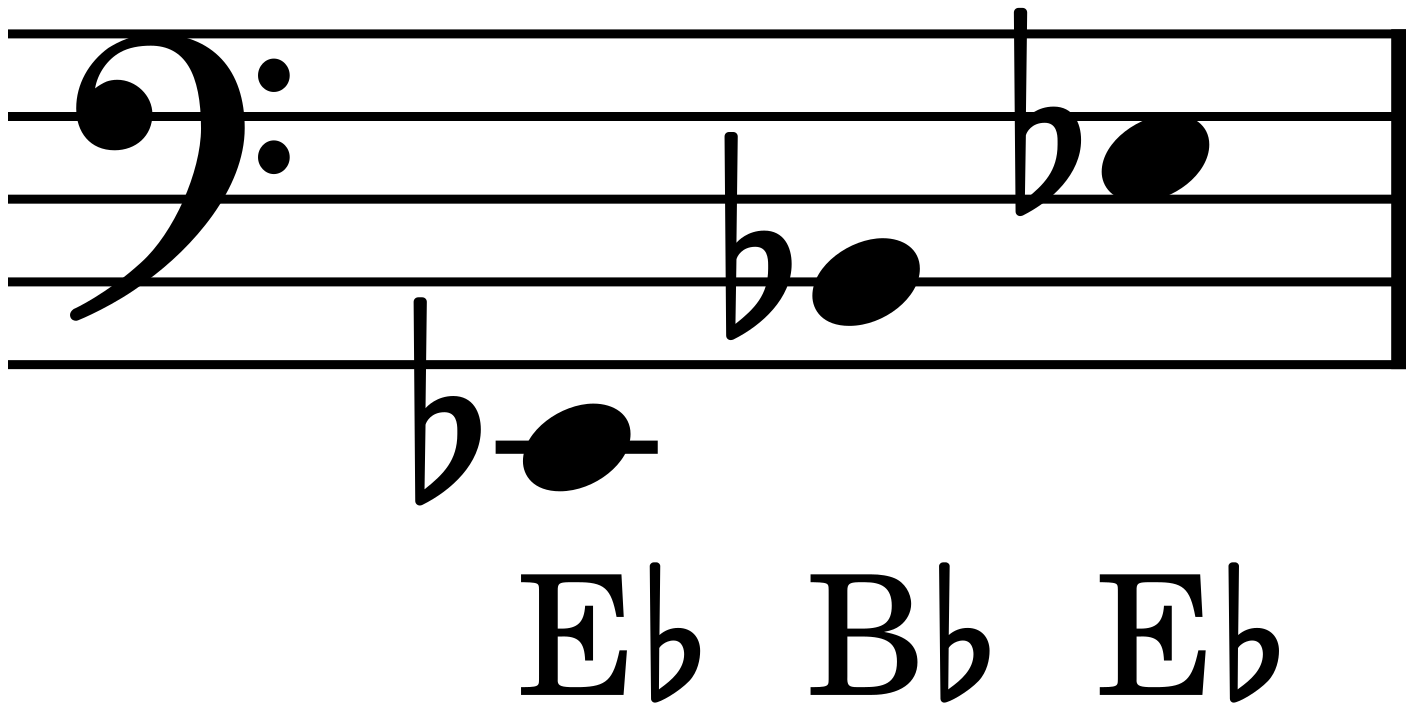
Trigger position 3: E♭2, B♭2, E♭3

E♭2 · B♭2 · E♭3

T4

About where 5th is
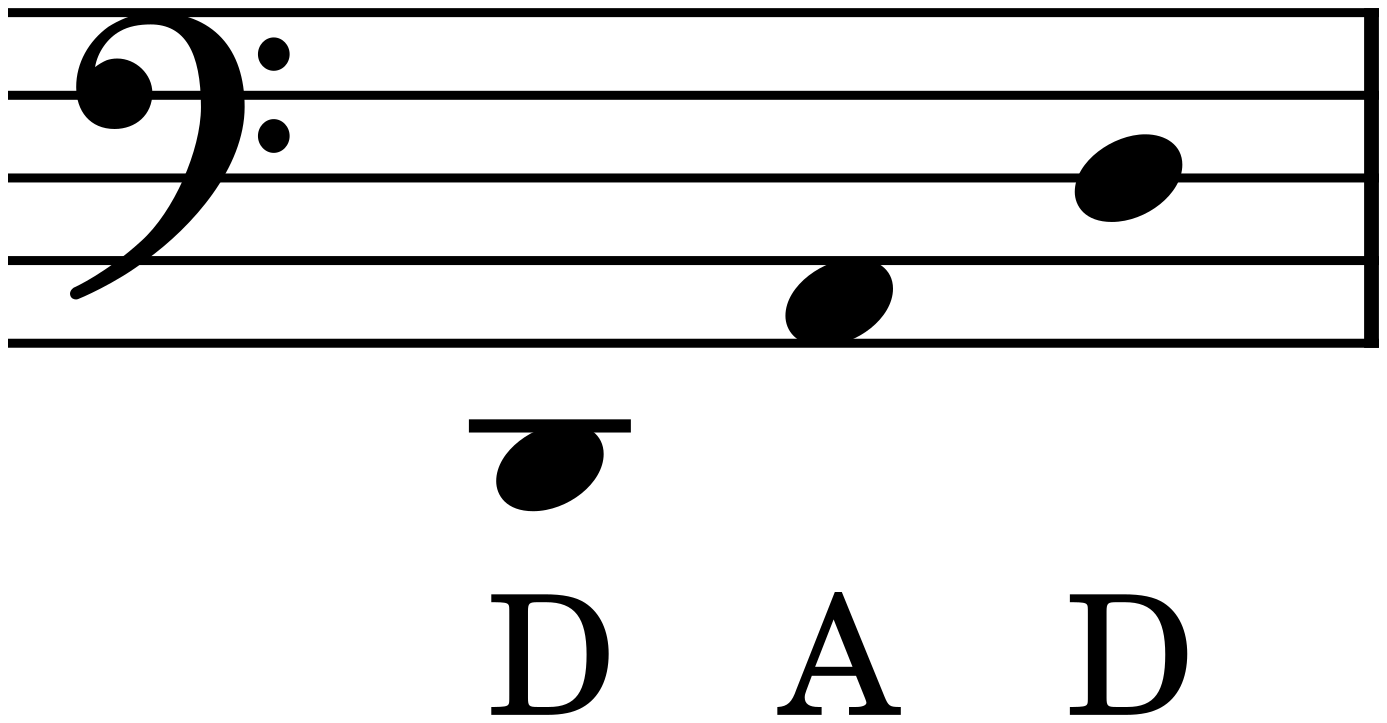
Trigger position 4: D2, A2, D3

D2 · A2 · D3

T5

Just past 6th

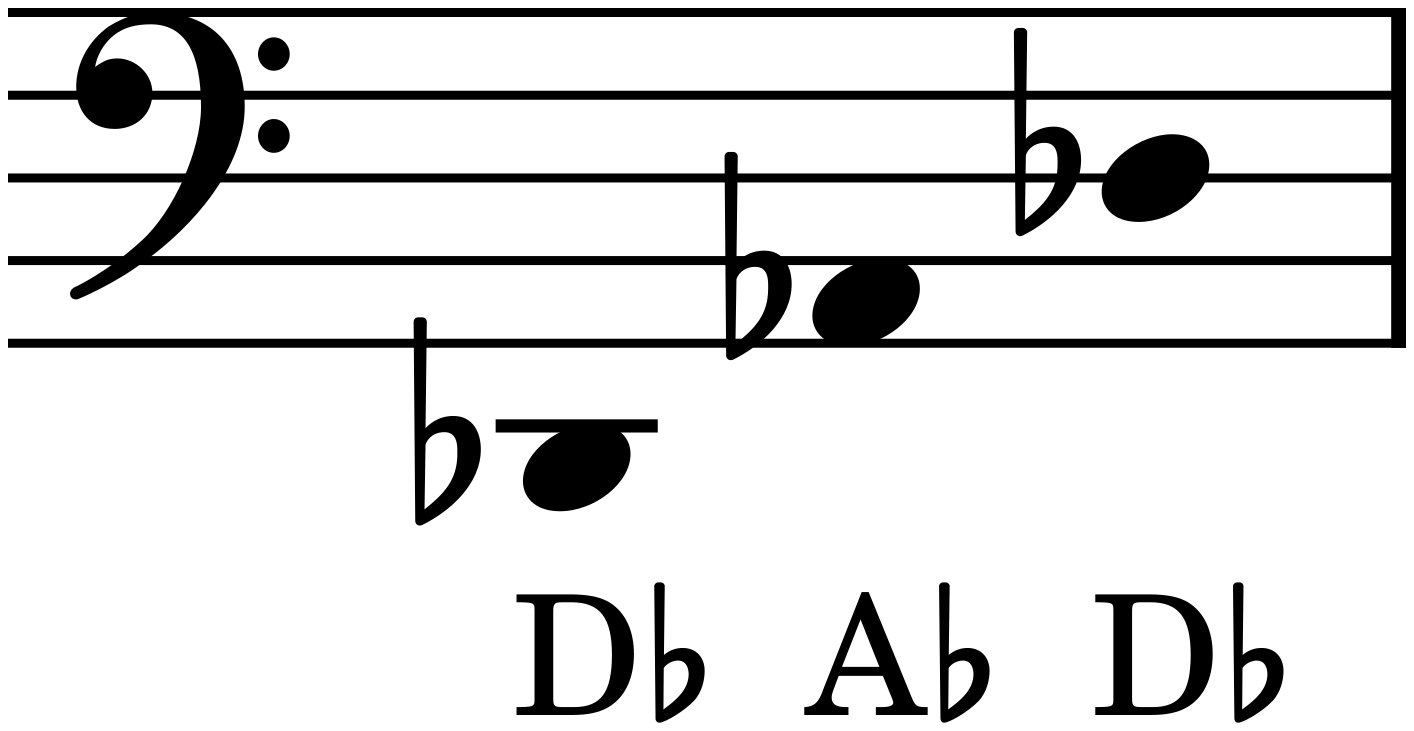
Trigger position 5: D♭2, A♭2, D♭3

D♭2 · A♭2 · D♭3

T6

At or near full stretch
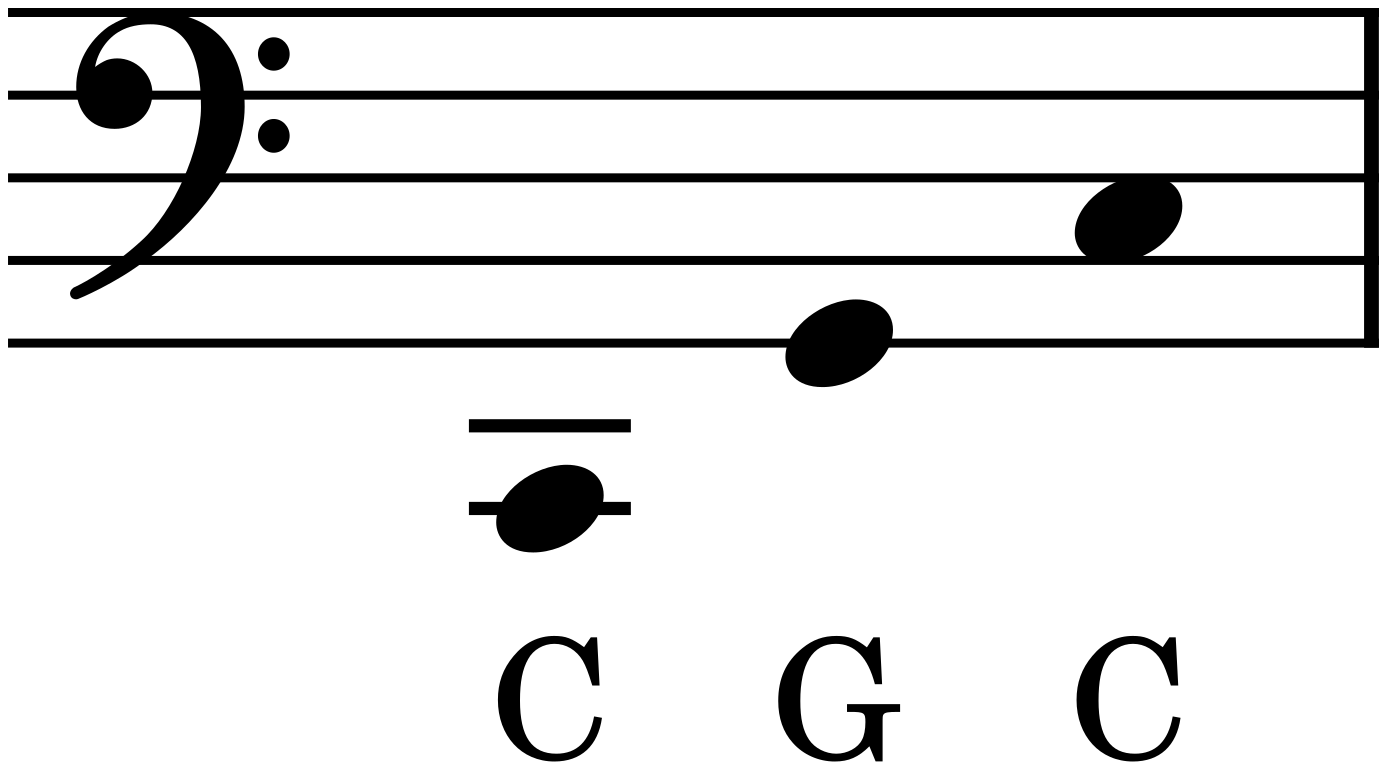
Trigger position 6: C2, G2, C3

C2 · G2 · C3

Low notes with and without the trigger

Amber is the open position; black is the trigger position. C3 in T1 and B2 in T2 replace long reaches to 6th and 7th, and the trigger adds E♭2, D2, D♭2 and C2, which a straight tenor cannot play. B1 is still missing: on a single F attachment it needs the F tuning slide pulled out to E, which is one reason bass trombones add a second valve.
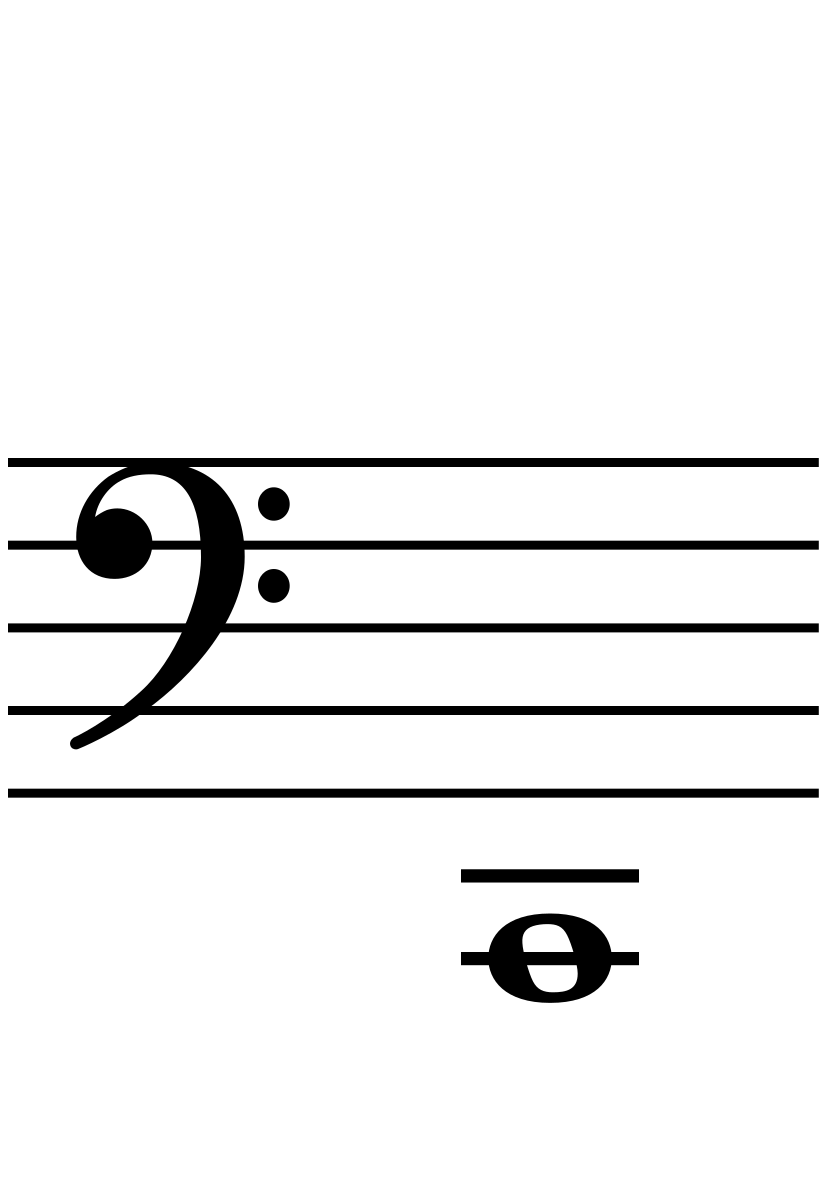
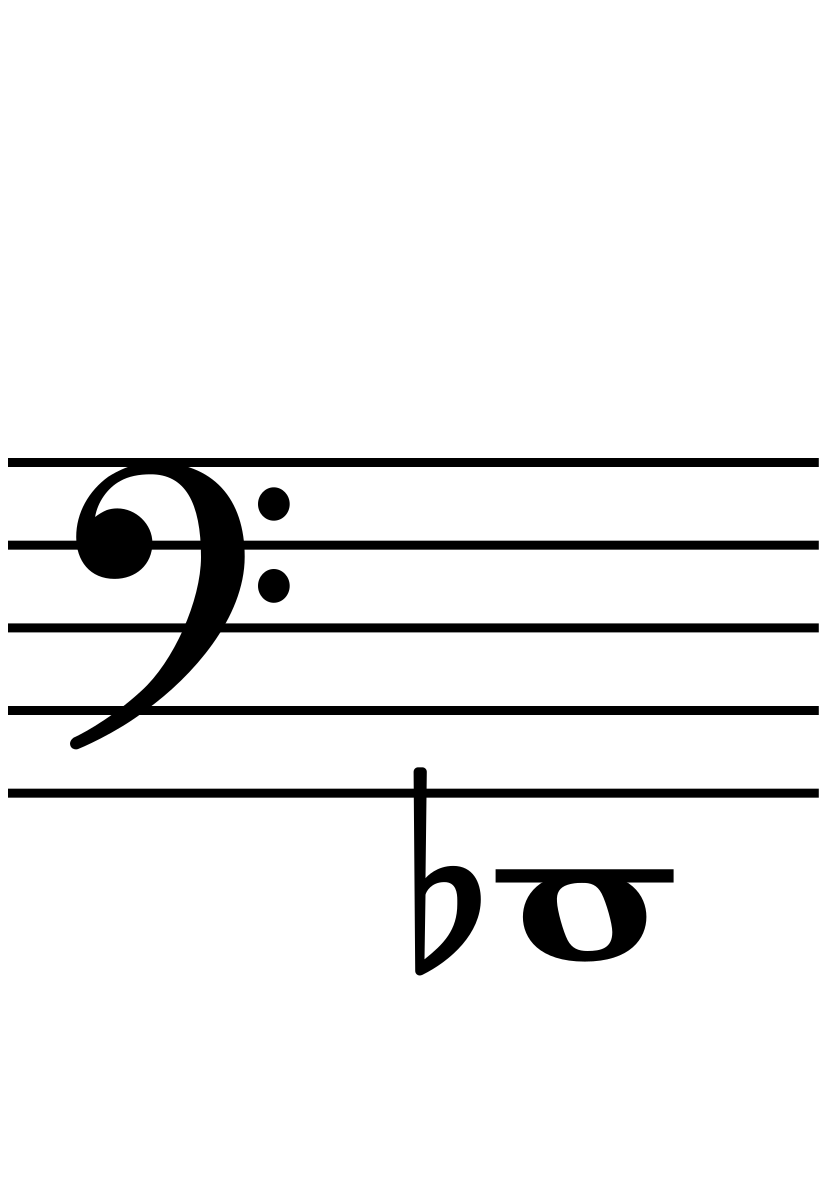
C2: T6
C2T6 
D♭2: T5
D♭2T5 
D2: T4
D2T4 
E♭2: T3
E♭2T3 
E2: 7, T2
E27T2 
F2: 6, T1
F26T1 
G♭2: 5
G♭25 
G2: 4, T6
G24T6 
A♭2: 3, T5
A♭23T5 
A2: 2, T4
A22T4 
B♭2: 1, T3
B♭21T3 
B2: 7, T2
B27T2 
C3: 6, T1, T6
C36T1or T6
D♭3: 5, T5
D♭35T5 
D3: 4, T4
D34T4 
E♭3: 3, T3
E♭33T3 
E3: 2, 7, T2
E32T2or 7
F3: 1, 6, T1
F31T1or 6
Print

Printable charts (A4, PDF)

Each chart fits on one A4 page, landscape. No email needed: print them for your students, your section or the band room wall.

Download all four (one PDF, 490 KB)

How to use the chart

Treat every position as a zone rather than a spot. There are no markers on the slide, so learn three landmarks first: 1st is all the way in, 3rd is about level with the bell, and 6th is a straight arm. Everything else sits between them, and the gaps grow as you go out, so 6th to 7th is a longer move than 1st to 2nd.

Then let your ears finish the job. Some partials run out of tune in a way the chart can't show: the 5th partial (D4, C♯4, C4 and B3 in their usual positions) is flat, so bring the slide in a little, and the 3rd and 6th partials sit slightly sharp. Play a slow scale with a tuner, then the same scale without one.

For why one position plays several notes, how alternates help, and a ten-minute positions routine, read trombone slide positions explained. Starting from scratch? Trombone for beginners covers the first few months.

Free to copy and share

The charts are released under Creative Commons Attribution 4.0 (CC BY 4.0). Print them, hand them out, put them on the band room wall. Please keep the credit printed at the bottom of each chart. Looking for music to practise with? The free Trombone Quartet Hymnal has 59 hymns and 26 Christmas carols.

FAQ

Questions

How many slide positions does a trombone have?

Seven. First position is with the slide all the way in and seventh is at full stretch, about 57 to 60 cm out on a tenor trombone. Each position lowers the pitch by a semitone, and each one plays several notes, one on each partial.

Why do some notes have two or three positions?

Higher up, the partials crowd together, so the same note turns up on more than one. F3, for example, is the 3rd partial in 1st position and the 4th partial in 6th. Players use these alternates to save slide movement, smooth out legato and fix tuning.

Is the chart the same for a bass trombone?

Yes for the open positions: a bass trombone uses the same seven. Its F valve works like the F attachment chart. Most bass trombones add a second valve, and its positions depend on how it is tuned, so learn those with a tuner.

I play in a brass band. Which chart do I need?

Tenor trombones in brass bands read treble clef in B♭, so use the treble clef chart. The positions are the same; only the note names change. Bass trombone parts in brass bands are in bass clef at concert pitch, so the bass trombone uses the bass clef chart.

Can I print the charts for my students or band?

Yes. They are free to print, copy and share under Creative Commons (CC BY 4.0). Please keep the credit to Matt Waters, basstrombone.co.uk, which is already printed on each chart.

Your first lesson is free.

In person across Leicestershire or online. No obligation, no contracts.

Book your free first lesson